

What's Happening?
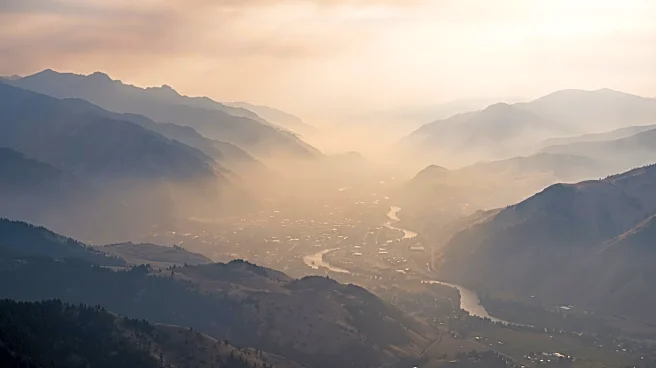
Missoula, Montana, is experiencing persistent wildfire smoke as students return to the University of Montana and K-12 classrooms. This phenomenon, described by Abby Huseth of Climate Smart Missoula, is becoming an increasingly common sign of the season,
alongside shorter days and the back-to-school buzz. The region has endured wildfire smoke almost daily for over a month, with expectations for several more weeks, exacerbated by a strengthening El Niño. This year has seen a harsh wildfire season across the Western U.S. and parts of Europe, leading to thousands of evacuations. The current situation raises questions about whether this level of smoke and its associated impacts, such as keeping children indoors during sports practices and recess, are becoming the new normal. Climate Smart Missoula and local partners are implementing strategies from the County-wide Climate Ready Missoula resiliency plan to help the community respond to these climate impacts, including using HEPA filters and checking air quality.
Why It's Important?
The persistent wildfire smoke in Missoula has significant implications for public health, education, and daily life. The need for children to stay indoors due to poor air quality disrupts educational and recreational activities, potentially affecting their physical and mental well-being. For parents, it adds another layer of concern regarding their children's health and safety. Economically, prolonged smoke events can deter tourism and impact outdoor businesses. The situation underscores the broader challenges posed by climate change, particularly the increasing frequency and intensity of wildfires, which are altering seasonal patterns and forcing communities to adapt. The efforts by Climate Smart Missoula and local government partners to implement resiliency plans highlight a proactive approach to mitigating these impacts, but also signal the severity of the environmental shifts being experienced.
What's Next?
Missoula can anticipate several more weeks of wildfire smoke, with a strengthening El Niño expected to contribute to hotter global temperatures. Local organizations like Climate Smart Missoula will continue to provide resources such as the MontanaWildfireSmoke.org website to help residents monitor air quality and stay healthy. The community is encouraged to engage in conversations about climate change, as a significant perception gap exists regarding the extent of public belief in human-caused climate change. Missoula County will host its annual Climate Solutions Week from September 26th to October 4th, featuring over 20 events aimed at promoting collective action and solutions. These initiatives seek to foster a vision of a thriving future where communities are better equipped to handle climate impacts and reduce reliance on fossil fuels.
Beyond the Headlines
The recurring issue of wildfire smoke in Missoula points to a deeper societal challenge: the normalization of worsening climate conditions. As highlighted by Washington Post climate columnist Michael Coren, accepting these conditions as normal risks unraveling the world's capacity to withstand such shocks. The experience of a 5-year-old being glad the air is clean enough to jump on a trampoline illustrates a generational shift in environmental baselines. This situation calls for a re-evaluation of what constitutes a 'normal' summer and back-to-school season, urging a collective effort to reclaim a vision of a healthier future. The emphasis on community conversations and events like Climate Solutions Week suggests a growing recognition that individual actions, combined with broader systemic changes, are crucial to addressing the long-term implications of climate disruption and ensuring a sustainable environment for future generations.