



What's Happening?
The UK Environment Agency has declared more than half of England in drought due to record-low rainfall and exceptionally high temperatures. This announcement follows what is expected to be the driest July on record, with only seven percent of the usual
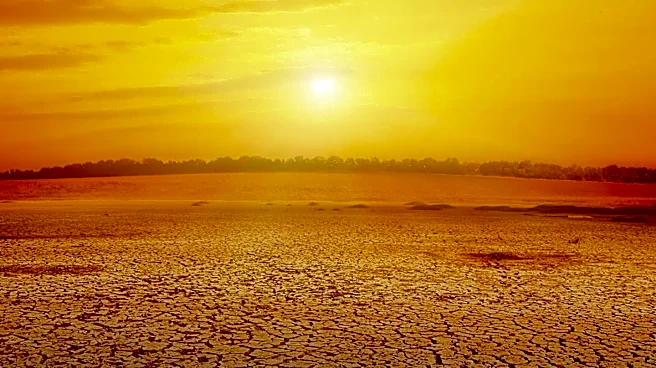
rainfall occurring nationwide. The drought declaration affects areas including London, East Anglia, and the West Midlands, covering 51.4 percent of the nation. The National Drought Group, comprising government officials, meteorologists, and water companies, has met to discuss the situation and prioritize leak repairs. The drought has led to low river levels, early crop harvesting, and increased wildfire risks, with millions facing water use restrictions.
Why It's Important?
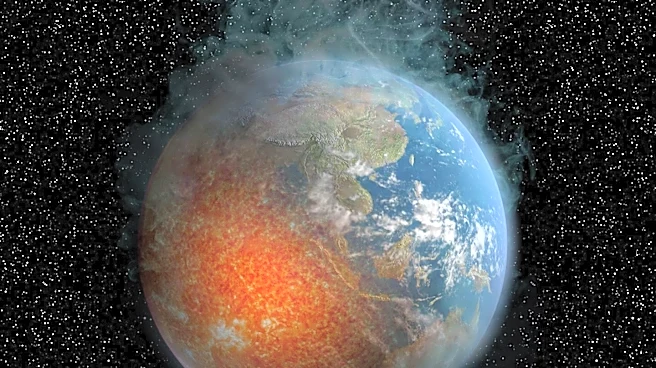
The drought in England poses significant challenges to the environment, agriculture, and the economy. Farmers are forced to harvest crops early, which could impact food supply and prices. The increased risk of wildfires threatens both rural and urban areas, potentially leading to property damage and loss of life. Water restrictions affect millions, highlighting the need for sustainable water management practices. The situation underscores the broader impacts of climate change, as Europe is warming at more than twice the global average. This drought could serve as a wake-up call for policymakers to implement more robust climate adaptation and mitigation strategies.
What's Next?
The UK government and water companies are expected to continue monitoring the situation closely, with potential for further restrictions if conditions do not improve. The Environment Agency will likely work on long-term strategies to manage water resources more effectively. Public awareness campaigns may be launched to encourage water conservation among residents. Additionally, the government might explore infrastructure investments to improve water storage and distribution systems. The ongoing drought could also prompt discussions on climate policy and the need for international cooperation to address the root causes of climate change.