








What's Happening?
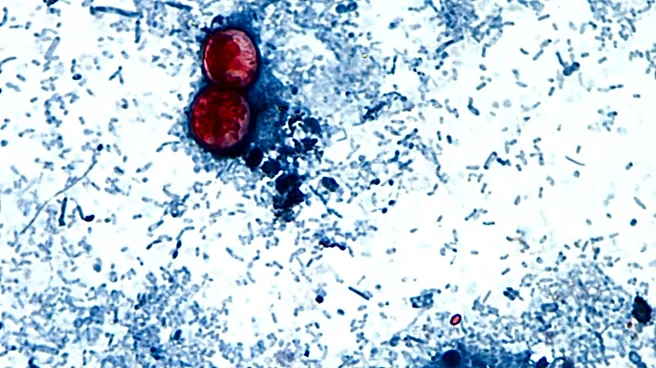
The Centers for Disease Control and Prevention (CDC) has reported a significant outbreak of cyclosporiasis, a parasitic disease causing severe diarrhea, with over 1,000 cases identified across the United States. The outbreak is primarily concentrated
in the Midwest and East Coast, with Michigan reporting the highest number of cases. Cyclosporiasis is caused by the Cyclospora cayetanensis parasite, which spreads through contaminated food or water. The infection is not transmitted from person to person. The CDC and the U.S. Food and Drug Administration are investigating the outbreak, but no common source has been identified. In California, 41 cases have been reported this year, mostly linked to international travel. Public health officials are advising residents to take precautions, especially when consuming fresh produce, which has been linked to past outbreaks.
Why It's Important?
The outbreak of cyclosporiasis highlights the ongoing challenges in food safety and public health. With over 1,000 cases reported, the outbreak poses a significant health risk, particularly to vulnerable populations such as the elderly and those with weakened immune systems. The economic impact could be substantial, affecting the agricultural sector, particularly producers of fresh produce. The outbreak underscores the need for stringent food safety measures and effective public health responses to prevent the spread of foodborne illnesses. The situation also raises awareness about the importance of monitoring and controlling parasitic diseases, which can have widespread public health implications.
What's Next?
Public health officials are continuing to monitor the situation closely and are working to identify the source of the outbreak. The CDC and FDA are collaborating with local health departments to investigate the cases and prevent further spread. Residents are advised to follow food safety guidelines, such as washing produce thoroughly and avoiding consumption of potentially contaminated food and water. The situation may lead to increased regulatory scrutiny and potential changes in food safety practices to prevent future outbreaks. Public health campaigns may also be launched to educate the public about the risks and prevention of cyclosporiasis.