
What's Happening?
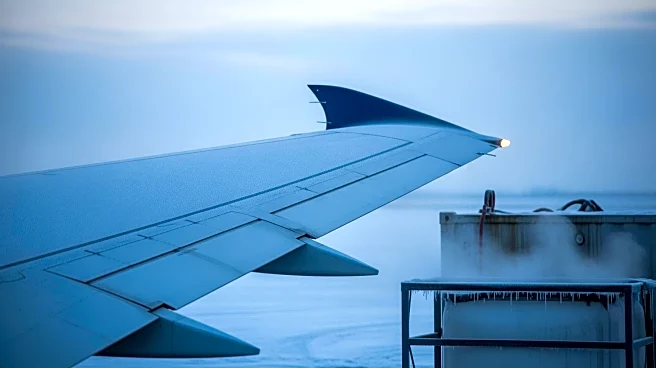
KLM, the Dutch airline, is experiencing significant disruptions due to a shortage of deicing fluid at Amsterdam Airport Schiphol, its main hub. Since January 2, KLM has been deicing aircraft continuously,
using approximately 85,000 liters of deicing fluid daily. However, due to extreme weather conditions and supply delays from their German provider, the stock levels of deicing fluid are running low. This shortage is affecting airports across Europe. In response, KLM has taken measures to secure additional supplies, including collecting fluid directly from Germany. The airline operates a fleet of 25 deicing trucks, which have been in constant use. As a result of the persistent snowfall and strong winds expected on January 7, KLM has preemptively canceled 600 flights scheduled for that day. Additionally, the French civil aviation authority, DGAC, has requested airlines to cancel a significant percentage of flights at Paris Charles de Gaulle and Paris Orly airports due to similar weather conditions.
Why It's Important?
The shortage of deicing fluid and subsequent flight cancellations highlight the vulnerability of air travel to extreme weather conditions and supply chain disruptions. This situation affects not only KLM but also other airlines operating in Europe, potentially leading to widespread travel delays and economic impacts. The cancellations could disrupt travel plans for thousands of passengers, affecting tourism and business travel. Moreover, the need for airlines to secure additional deicing supplies underscores the importance of robust logistical planning and contingency measures in the aviation industry. The situation also raises concerns about the resilience of supply chains for critical materials in the face of adverse weather conditions.
What's Next?
KLM and other affected airlines will likely continue efforts to secure additional deicing fluid to minimize further disruptions. The ongoing weather conditions may lead to additional flight cancellations or delays, impacting passenger travel plans. Airlines may need to explore alternative supply chain strategies to prevent similar shortages in the future. Regulatory authorities, such as the DGAC, will continue to monitor the situation and may issue further directives to manage air traffic safely. Passengers are advised to stay informed about their flight status and potential changes to travel schedules.