





What's Happening?
There is growing public concern over President Donald Trump's health, with calls for greater transparency regarding his physical and mental well-being. Historical precedents show that American presidents have often concealed health issues, leading to debates
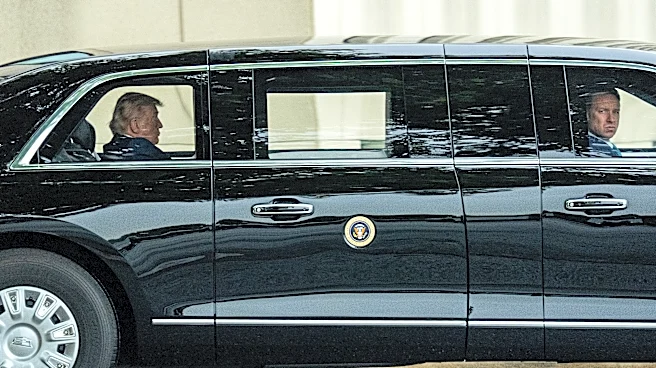
about the need for mandatory health disclosures. President Trump, who is nearing 80, has faced scrutiny over his health, with visible signs such as bruising and incidents of appearing to fall asleep during public events. Despite his claims of being in 'exceptional health,' there are calls for more detailed disclosures to ensure he is fit to serve as president. The public's concern is reflected in polls showing less than half of Americans believe Trump possesses the mental acuity or physical health to be an effective leader.
Why It's Important?
The health of a sitting president is crucial for national security and public confidence. Transparency in health matters is essential to maintain trust in leadership, especially when the president holds significant power and influence. The lack of detailed health disclosures can lead to speculation and undermine public confidence in the administration. This situation highlights the need for clear policies on health transparency for public officials, ensuring accountability and trust in leadership.
Beyond the Headlines
The debate over presidential health transparency raises ethical and legal questions about privacy versus public interest. As the oldest president in U.S. history, Trump's health is under intense scrutiny, prompting discussions about age and fitness for office. The situation may lead to policy changes requiring mandatory health disclosures for future presidents, balancing privacy with the public's right to know. This issue also reflects broader societal concerns about aging leaders and their ability to effectively govern.