
What's Happening?
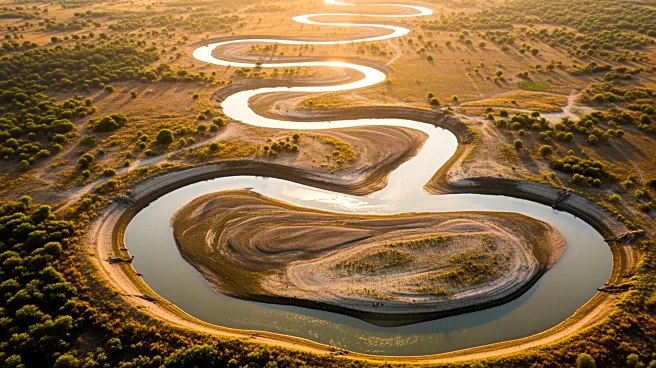
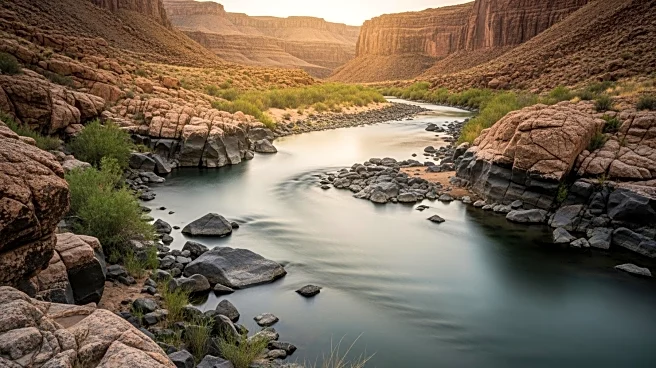
Indigenous tribes in the southwestern United States, led by the Colorado River Indian Tribes (CRIT), have taken a significant step to protect the Colorado River by granting it legal personhood. This decision,
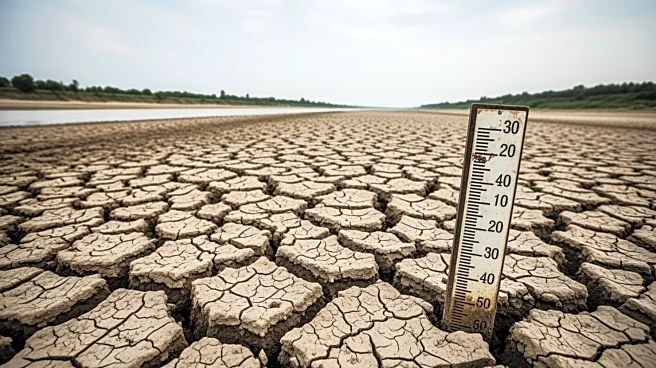
made in November 2025, recognizes the river as a living entity with rights similar to those of a person. The CRIT, which includes the Mojave, Hopi, Navajo, and Chemehuevi tribes, aims to safeguard the river amid the worst drought in 1,200 years. The legal personhood status is intended to help preserve the river for future generations. The seven U.S. states that share the river have until February 14 to reach a new water-sharing agreement before the current one expires at the end of 2026. If they fail to do so, the federal government will implement its own plan.
Why It's Important?
The decision to grant the Colorado River legal personhood is a groundbreaking move in environmental protection, potentially setting a precedent for other natural resources. This action highlights the increasing recognition of indigenous rights and their role in environmental stewardship. The river is a crucial water source for millions of people and supports diverse ecosystems. Legal personhood could empower tribes and environmental groups to take legal action to protect the river from overuse and pollution. This development may influence water management policies and encourage other regions to consider similar measures to address environmental challenges.
What's Next?
The immediate focus is on the upcoming deadline for the seven states to agree on a new water-sharing plan. If they fail to reach a consensus, federal intervention is expected, which could lead to significant changes in water allocation and management. The legal personhood status may also lead to increased legal actions to protect the river, potentially involving lawsuits against parties that threaten its health. This could result in stricter regulations and conservation efforts, impacting agricultural, industrial, and urban water users.