
What's Happening?
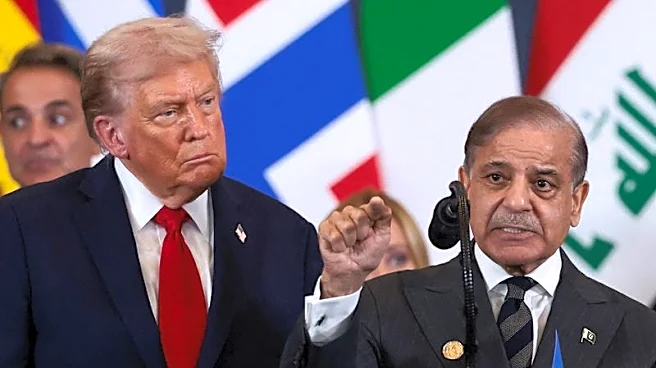
The United States is attempting to engage Iran in indirect negotiations through Pakistan, despite Iran's claims that these do not constitute substantive talks. The U.S. has proposed a 15-point framework
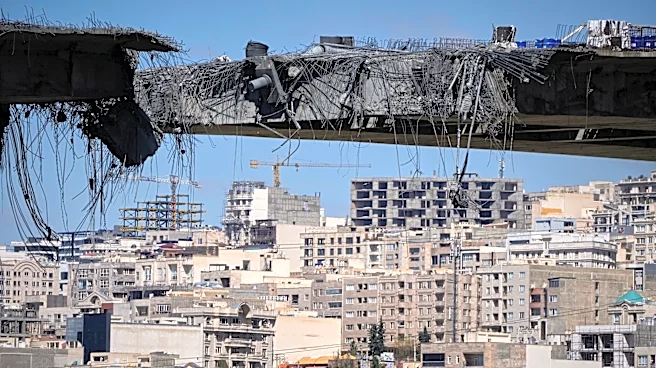
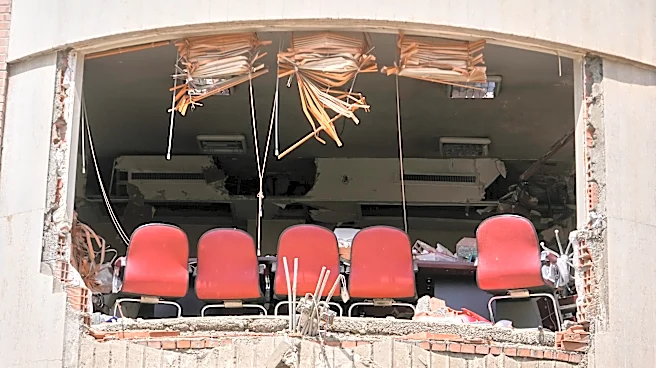
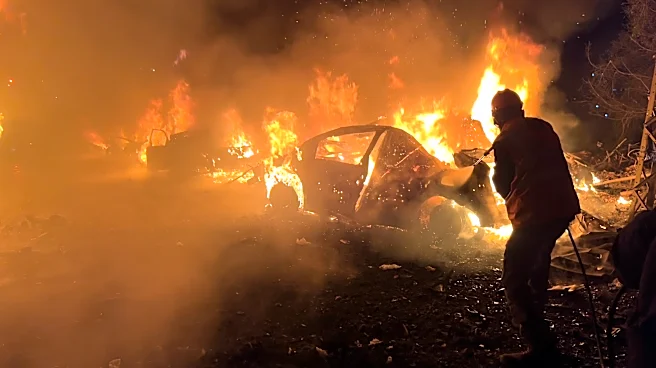
aimed at de-escalating tensions, which includes demands for Iran to cease its nuclear enrichment activities, dismantle its ballistic missile program, and halt funding to regional militias. The proposal also calls for the opening of the Strait of Hormuz to ensure free maritime transit. In response, Iran has issued a counterproposal demanding reparations and the cessation of hostilities. Despite these diplomatic efforts, military actions continue, with U.S. and Israeli forces targeting Iranian military capabilities.
Why It's Important?
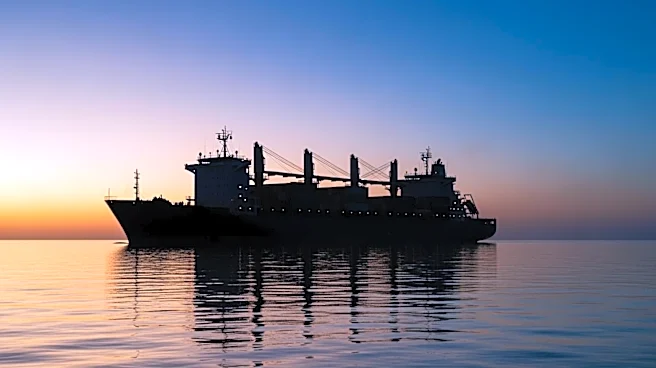
The ongoing tensions between the U.S. and Iran have significant implications for regional stability and global energy markets. The Strait of Hormuz is a critical chokepoint for global oil shipments, and any disruption could lead to increased oil prices and economic instability. The U.S. strategy aims to curb Iran's nuclear ambitions and limit its influence in the Middle East, which could alter the balance of power in the region. The outcome of these negotiations could impact U.S. foreign policy and its relations with allies in the Middle East, particularly Israel and Saudi Arabia.
What's Next?
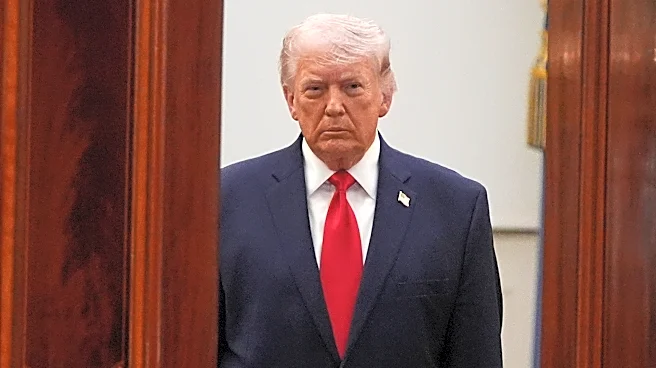
If Iran continues to reject the U.S. proposal, the situation could escalate further, potentially leading to more severe military actions by the U.S. President Trump has indicated that the U.S. is prepared to target Iran's energy infrastructure if necessary. The international community, including the United Nations and European Union, may become more involved in seeking a diplomatic resolution. The effectiveness of the U.S. strategy will depend on Iran's willingness to negotiate and the ability of mediators to facilitate meaningful dialogue.
Beyond the Headlines
The situation highlights the complexities of international diplomacy and the challenges of negotiating with a nation that has a history of defiance against Western powers. The U.S.'s approach raises questions about the effectiveness of military pressure as a tool for diplomacy and the ethical implications of targeting civilian infrastructure. The conflict also underscores the importance of multilateral engagement and the role of international organizations in conflict resolution.