







What's Happening?
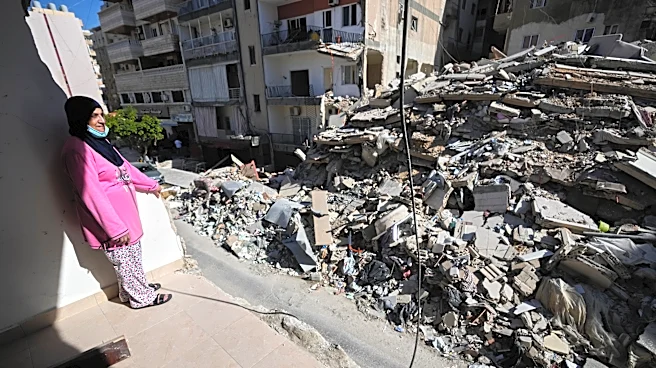
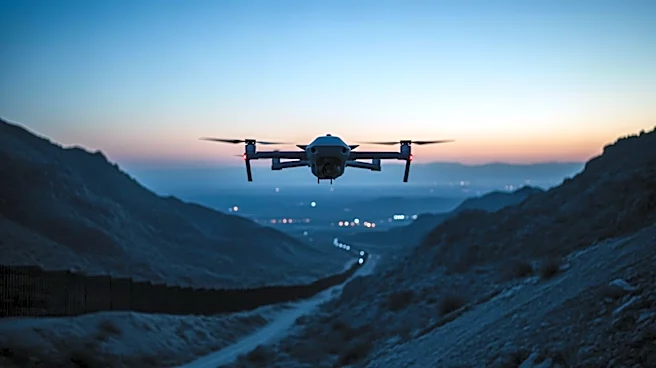
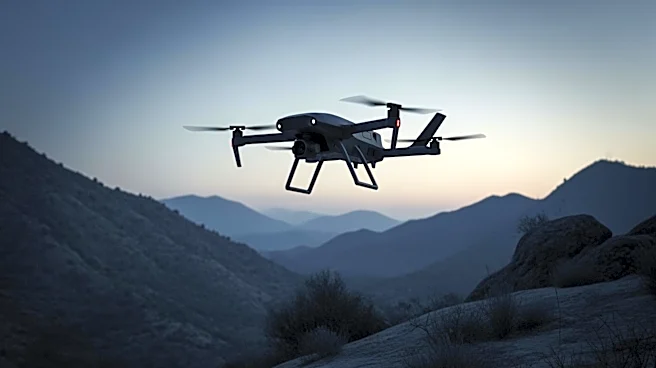
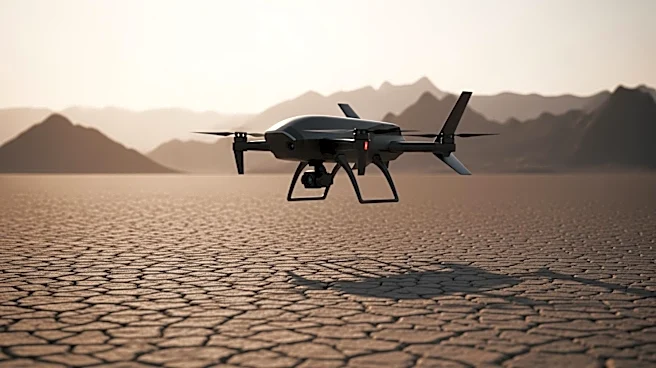
The Israel Defense Forces (IDF) are facing significant challenges from Hezbollah's use of drones in southern Lebanon. These drones, described as 'simple' first-person view (FPV) models, have been used effectively by Hezbollah to target Israeli troops.
The drones are capable of low-altitude flight and are guided via fiber optic cables, making them resistant to electronic jamming. In response, IDF troops have been improvising solutions, such as deploying nets to trap the drones before they can cause harm. However, these measures have been only partially effective. The IDF has acknowledged that it was unprepared for the intensity of the drone threat and is now working to develop more comprehensive defensive strategies.
Why It's Important?
The use of drones by Hezbollah represents a significant shift in the tactics of non-state actors in conflict zones. The ability to deploy drones that are difficult to detect and counter poses a new challenge for conventional military forces like the IDF. This development highlights the evolving nature of warfare, where technology plays an increasingly critical role. The IDF's struggle to effectively counter the drone threat underscores the need for military forces to adapt quickly to new technologies and tactics. The situation also raises concerns about the proliferation of drone technology and its potential use by other militant groups in the region, which could further destabilize the Middle East.
What's Next?
The IDF is actively working to improve its defenses against drone threats, including developing new technologies and tactics. This includes cooperation with international companies to explore potential solutions and conducting experiments to enhance operational capabilities. The IDF is also focusing on improving intelligence gathering to better understand the origins and supply chains of the drones used by Hezbollah. As the IDF continues to adapt, it will be crucial for military planners to anticipate future threats and invest in the necessary resources to counter them effectively. The ongoing conflict with Hezbollah may serve as a testing ground for these new strategies, with implications for future military engagements in the region.