






What's Happening?
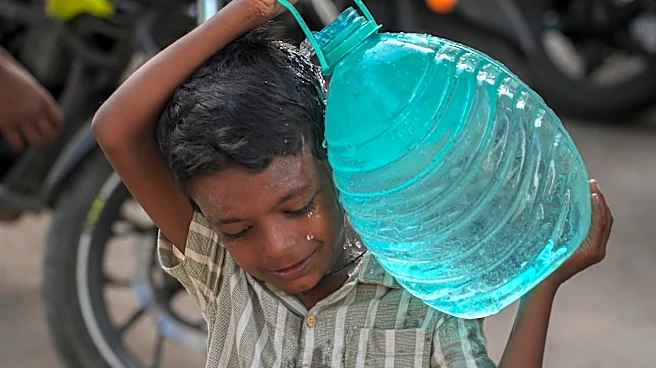
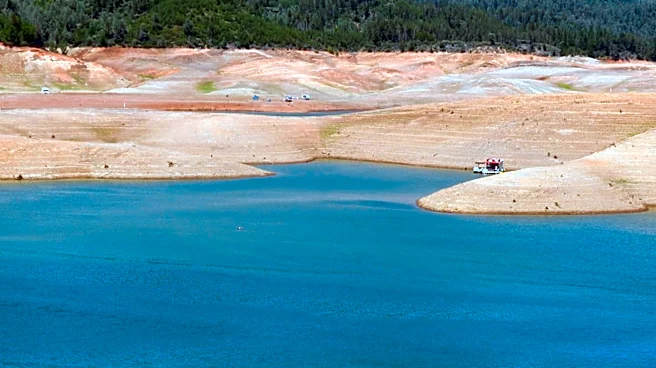
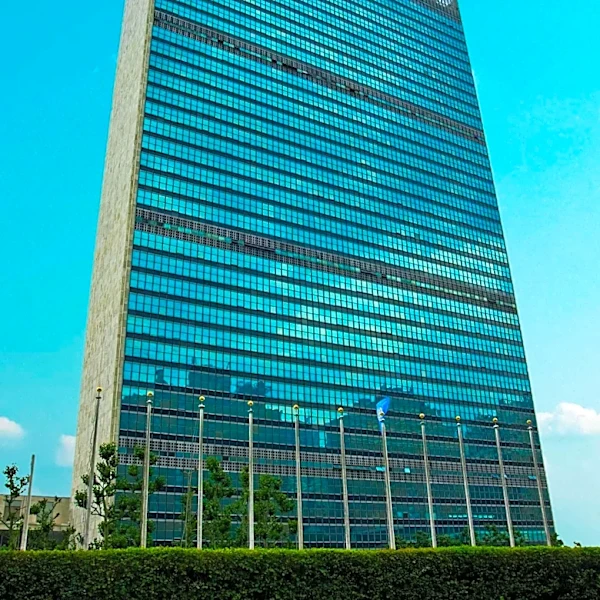
The United Nations has declared a state of 'water bankruptcy' globally, indicating that water is being consumed faster than it can be replenished by natural systems. This alarming situation is not universal but affects enough critical systems to significantly
alter global risk landscapes. In South Africa, water stress is particularly high, with 67% of the country experiencing severe shortages. The primary cause of these shortages is not a lack of water but rather failing infrastructure, including leaks, aging pipelines, and illegal connections. Climate change exacerbates these issues, increasing the likelihood of 'Day Zero' scenarios, where cities run out of water. The 'Water 2026: New approach needed' report by Creamer Media highlights these challenges and examines the regulatory and policy environment, investment in infrastructure, and the need for protecting critical water systems.
Why It's Important?
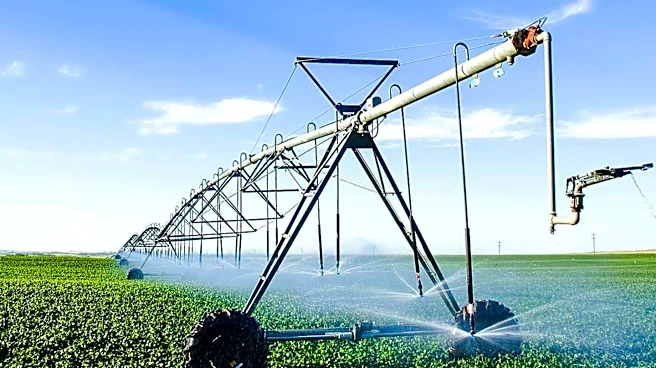
The declaration of 'water bankruptcy' underscores a critical global issue that could have far-reaching impacts on public health, agriculture, and economic stability. In the U.S., similar infrastructure challenges could lead to increased costs for water utilities and consumers, as well as potential shortages in areas already experiencing drought. The situation in South Africa serves as a cautionary tale, illustrating the consequences of neglecting infrastructure maintenance and the urgent need for investment in sustainable water management practices. This global water crisis could drive policy changes and increase funding for water infrastructure projects, impacting industries reliant on water resources.
What's Next?
Countries facing severe water stress may need to implement emergency measures to manage water resources more effectively. This could include stricter regulations on water usage, increased investment in infrastructure repair and maintenance, and the development of new technologies for water conservation and recycling. International cooperation may also be necessary to address transboundary water issues and share best practices. In the U.S., policymakers might look to South Africa's challenges as a warning, potentially accelerating infrastructure investments and regulatory reforms to prevent similar crises.
Beyond the Headlines
The concept of 'water bankruptcy' highlights the ethical and social dimensions of water management, emphasizing the need for equitable access to water resources. As climate change continues to impact water availability, there may be increased pressure on governments to ensure that vulnerable populations are not disproportionately affected. This could lead to broader discussions about the human right to water and the responsibilities of both public and private sectors in safeguarding this essential resource.