






What's Happening?
BHP Group is facing scrutiny following the leak of internal documents that question its commitment to achieving net zero emissions by 2050. The documents, obtained by the Australian Broadcasting Corporation and The Guardian Australia, reveal that BHP's
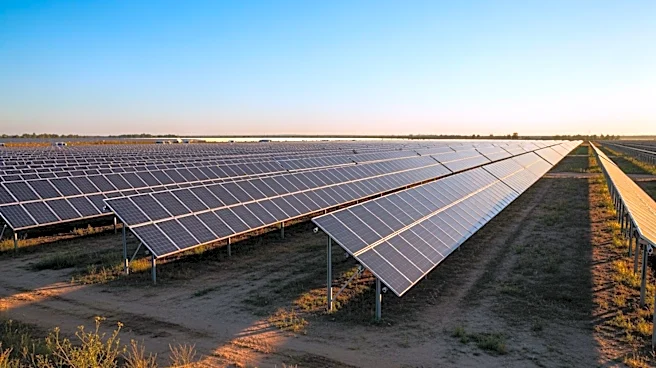
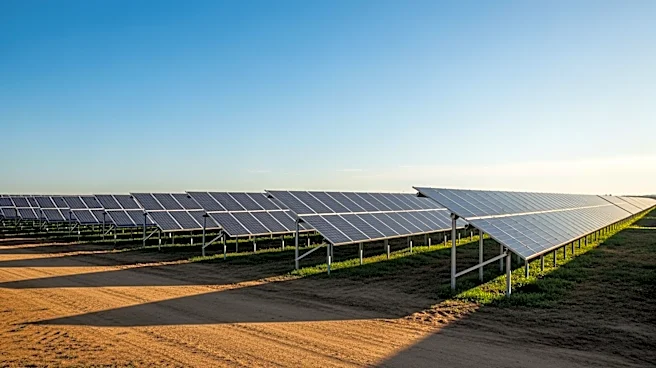
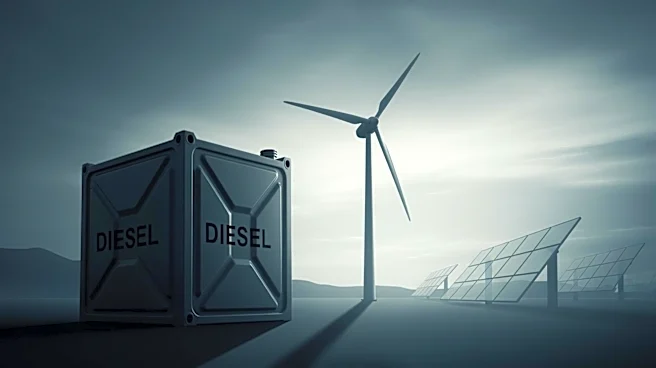
public stance as a climate leader is contradicted by its operational practices. The company has delayed a $1.3 billion renewable energy plan until 2031 and halted a $400 million solar farm project at Jimblebar. Additionally, BHP has purchased 62 new diesel trucks, extending its reliance on diesel until 2041. These actions have raised doubts about the company's ability to meet its climate goals, as its Western Australian operations, which account for 30% of its emissions, are projected to reduce emissions by only 1% by 2030.
Why It's Important?
The revelations about BHP's delayed renewable energy initiatives and continued diesel dependency have significant implications for the mining industry and global climate efforts. As one of the largest mining companies, BHP's actions set a precedent for industry standards and influence global emissions targets. The company's reliance on diesel and slow adoption of zero-emission technologies could undermine international climate agreements and efforts to combat climate change. Furthermore, BHP's credibility as a climate leader is at stake, potentially affecting investor confidence and market valuation. The situation highlights the challenges companies face in balancing economic discipline with environmental responsibilities.
What's Next?
BHP's incoming CEO, Brandon Craig, has stated that the company's commitment to net zero will remain unchanged, albeit pursued with economic discipline. However, the leaked documents suggest that significant changes are needed to align BHP's operations with its climate rhetoric. Stakeholders, including investors and environmental groups, are likely to increase pressure on BHP to accelerate its renewable energy initiatives and reduce its diesel dependency. The company may need to reassess its strategies and timelines to restore credibility and meet its 2050 net zero targets. Ongoing scrutiny from media and environmental organizations is expected to continue, potentially influencing BHP's future decisions.
Beyond the Headlines
The situation with BHP underscores a broader issue within the corporate world regarding the gap between climate commitments and actual practices. It raises ethical questions about corporate transparency and accountability in environmental matters. The reliance on government fuel tax credits for diesel use, as reported in the documents, also highlights the role of policy in shaping corporate behavior. This case may prompt discussions on the need for stricter regulations and incentives to encourage faster adoption of renewable technologies across industries.