
What's Happening?
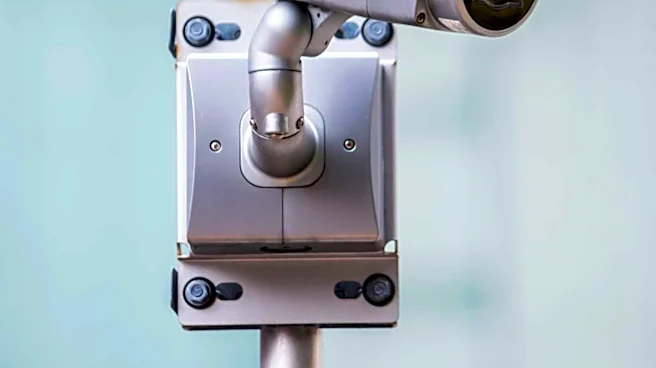
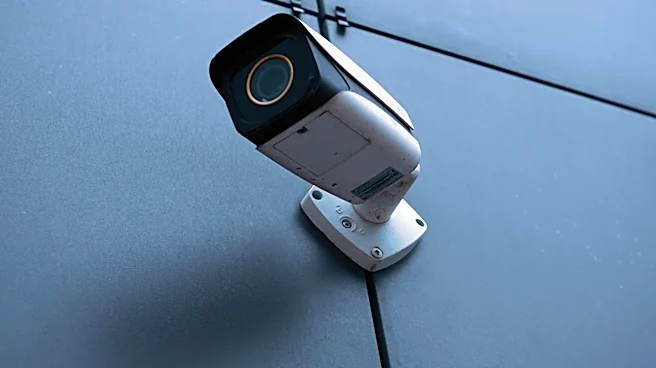
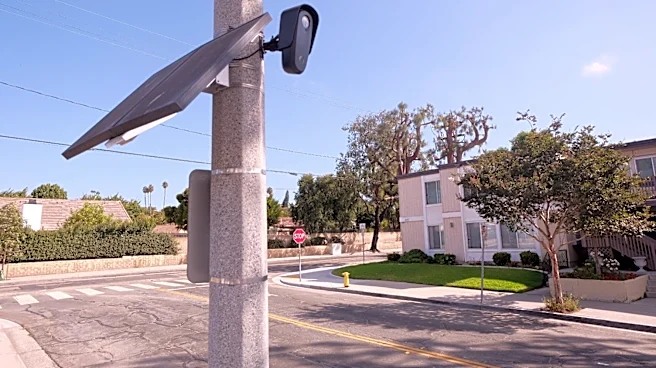
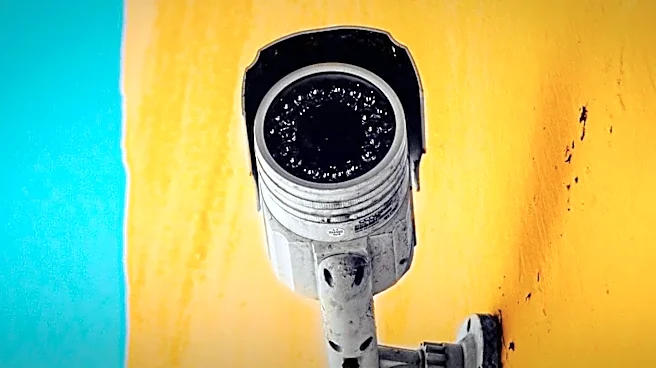
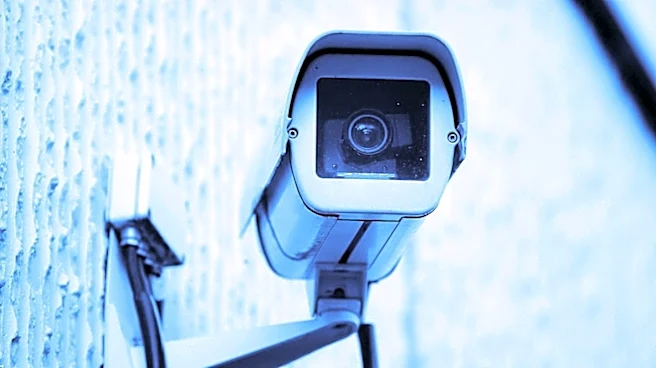
Flock Safety's network of over 120,000 license plate reading cameras across 49 states has sparked significant controversy. While the technology is praised by some law enforcement agencies for aiding in crime-solving,
it has also become a focal point for privacy concerns. Critics argue that the cameras represent a form of mass surveillance, leading to a bipartisan backlash. Instances of vandalism against these cameras have been reported in several states, including Tennessee and California. The American Civil Liberties Union and other advocacy groups have raised alarms about potential government overreach and privacy violations. In response, some localities have ended their contracts with Flock, while others continue to support the technology for its crime-fighting capabilities.
Why It's Important?
The controversy surrounding Flock cameras highlights a growing tension between technological advancements in law enforcement and individual privacy rights. The bipartisan nature of the criticism underscores a rare political consensus on the issue of surveillance. The debate raises questions about the balance between public safety and civil liberties, with potential implications for future legislation and public policy. The outcome of this debate could influence how surveillance technologies are regulated and deployed across the United States, affecting both law enforcement practices and citizens' privacy rights.
What's Next?
As the debate continues, advocacy groups are organizing a national week of action to protest the use of Flock cameras. Legal challenges are also underway, with lawsuits filed in several states arguing that the surveillance technology violates constitutional rights. The outcome of these legal battles could set precedents for how similar technologies are used in the future. Additionally, some states are considering legislation to impose stricter regulations on the use of license plate readers, which could lead to a patchwork of laws across the country.