




What's Happening?
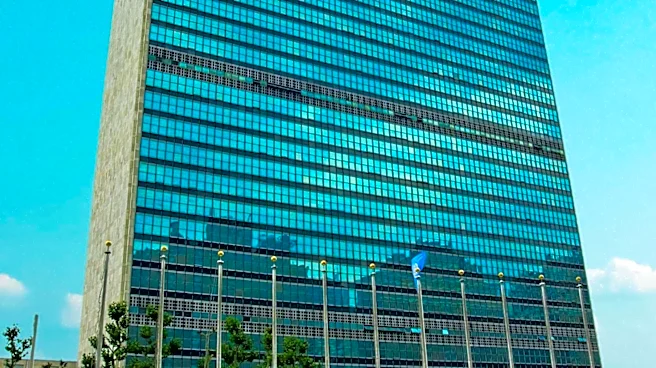
Ethiopia is actively shaping its role in a changing global landscape, transitioning from its foundational involvement in the United Nations to its recent accession to BRICS. In 1945, Ethiopia was among the original signatories of the UN Charter in San
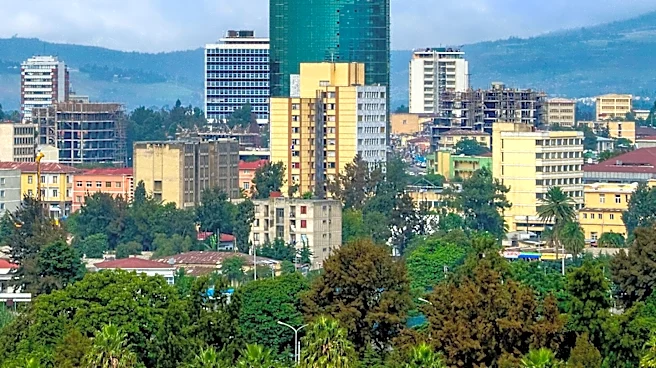
Francisco, an act driven by its experience with foreign aggression and the limitations of the League of Nations. This established its commitment to an international system based on collective security and state sovereignty. Decades later, in May 1963, Addis Ababa hosted the summit that led to the establishment of the Organisation of African Unity (OAU), which later evolved into the African Union (AU). This move solidified Addis Ababa as a center for international diplomacy and connected Ethiopia's national interests with broader African cooperation. More recently, in January 2024, Ethiopia joined BRICS, a grouping of major emerging economies. This membership provides another platform for Ethiopia to build partnerships and participate in discussions about global governance reform, reflecting the country's ongoing effort to maintain a meaningful voice in international decisions.
Why It's Important?
Ethiopia's diplomatic journey highlights the evolving nature of global power dynamics and the increasing importance of a multipolar world. Its early engagement with the UN underscored a commitment to multilateralism and international law, particularly for nations seeking to protect their sovereignty. The establishment of the OAU and later the AU in Addis Ababa demonstrated Ethiopia's leadership in fostering regional cooperation and providing a collective voice for African states on the global stage. The country's accession to BRICS signifies a strategic move to diversify its international partnerships and engage with emerging economic powers. This is crucial in an era where economic and political influence is more widely distributed, and emerging economies are demanding a greater role in global decision-making. By participating in multiple international forums, Ethiopia aims to secure investment, strengthen trade relations, and advance its national interests within a complex and competitive international environment.
What's Next?
Ethiopia's future diplomatic influence will depend on its ability to effectively balance its national interests with its commitments to various international organizations. The country will need to leverage its memberships in the UN, AU, and BRICS to foster practical partnerships and contribute to peace and stability. This involves navigating potentially differing priorities among its partners and translating diplomatic engagement into tangible national and shared benefits. As the global environment continues to shift, Ethiopia will likely continue to seek diversified alliances and platforms to enhance its representation and economic opportunities. Its ongoing engagement with these diverse groups will be critical in shaping its role within the emerging multipolar international order and addressing challenges related to international finance, trade, technology, energy, and development.
Beyond the Headlines
Ethiopia's diplomatic trajectory reflects a broader trend among nations to adapt to a multipolar world where power is no longer concentrated in a few dominant states. Its journey from a founding member of the UN to a participant in BRICS illustrates a strategic evolution in foreign policy, moving beyond traditional alliances to embrace new configurations of global influence. This shift highlights the ethical and practical challenges of reconciling international principles with competing national interests, especially for countries seeking to protect their sovereignty and promote development. The emphasis on minilateral organizations like BRICS, alongside traditional multilateral institutions, suggests a re-evaluation of how international cooperation can best address contemporary global issues. Ethiopia's experience underscores the importance of a flexible and adaptive foreign policy in an increasingly complex and interconnected world, where diplomatic weight, strategic interests, and economic power are constantly being redefined.