







What's Happening?
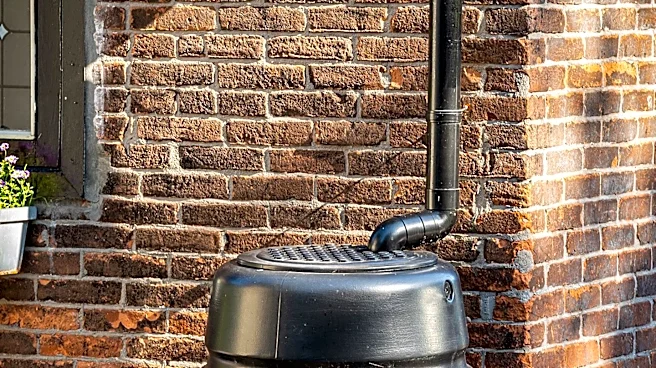
Researchers at the University of Manchester have developed a study proposing a rooftop rainwater harvesting system designed to mitigate urban heatwaves and decrease air conditioning usage. This innovative system collects rainwater from rooftops and strategically
sprays it onto buildings during hot weather. The study, which utilized process-based numerical simulations and artificial intelligence with Tokyo as a case study, found that cooling rooftops reduced the energy required for air conditioning. This reduction is attributed to cooler roofs transferring less heat into buildings and lower air conditioning use leading to less waste heat being released into the urban environment. The research indicates that the benefits of this approach become more significant during hotter years, suggesting its increasing importance as global temperatures rise. The system also offers a co-benefit of reducing extreme urban runoff, providing a natural solution to both thermal stress and hydrological extremes.
Why It's Important?
The proposed rainwater harvesting system holds significant importance for U.S. cities, which are increasingly grappling with rising temperatures, putting pressure on public health, infrastructure, and energy systems. As reliance on air conditioning grows, so does energy demand, and the waste heat generated exacerbates urban heat. This technology offers a practical and sustainable solution to reduce both energy consumption and urban temperatures. By decreasing the need for air conditioning, it can alleviate strain on power grids, potentially preventing blackouts during peak demand periods in heatwaves. Furthermore, the reduction in urban runoff can help manage stormwater, a growing concern for many U.S. municipalities facing increased frequency and intensity of extreme weather events. The approach could lead to substantial cost savings for individuals and businesses on utility bills and contribute to healthier urban environments by mitigating the urban heat island effect.
What's Next?
The next steps involve local authorities and urban planners evaluating how such rainwater-based cooling systems could be implemented in their specific regions. This evaluation will need to consider factors such as cost, water availability, and local regulations. Further research and pilot programs may be necessary to refine the system's design and optimize its performance in diverse urban settings across the U.S. Stakeholders, including city governments, environmental agencies, and building developers, will likely need to collaborate to develop policies and incentives that encourage the adoption of these sustainable technologies. The study's findings suggest that focusing on the timing of sprinkler activation, rather than just tank size or water volume, is crucial for optimal performance, indicating a need for smart control systems. As climate change continues to drive hotter summers, the integration of such systems into urban planning could become a standard practice.
Beyond the Headlines
Beyond the immediate benefits of cooling and energy reduction, this technology points to a broader shift towards integrated urban water management and climate resilience. It highlights the potential for cities to leverage natural processes and existing infrastructure (rooftops) to address complex environmental challenges. The ethical implications include ensuring equitable access to such technologies, particularly in vulnerable communities disproportionately affected by urban heat. Legally, it may necessitate updates to building codes and water rights regulations to facilitate rainwater harvesting and reuse. Culturally, it could foster a greater appreciation for water as a resource and encourage more sustainable living practices. In the long term, widespread adoption could transform urban landscapes, making them more adaptable to climate change and fostering a more harmonious relationship between urban development and natural cycles, moving beyond traditional 'grey infrastructure' solutions to more 'green' and 'blue' approaches.