





What's Happening?
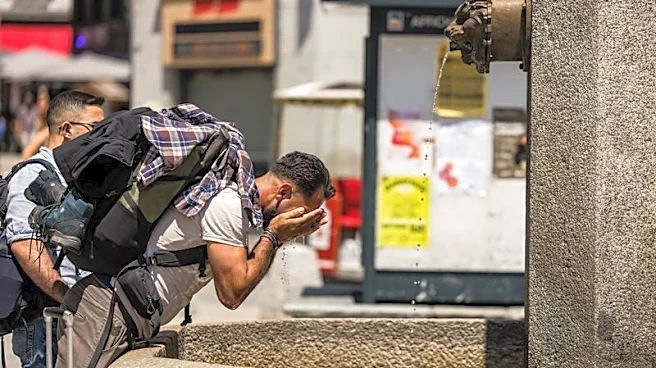
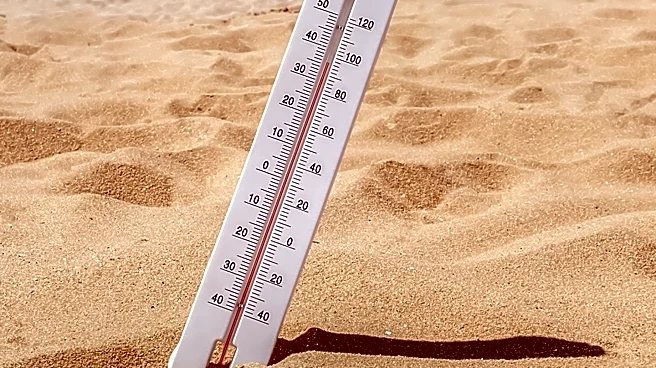
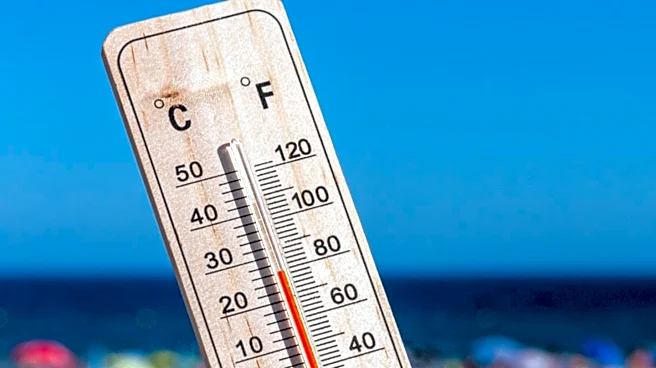
France has shattered its all-time heat record amid a severe heatwave gripping Western Europe. The country is experiencing temperatures comparable to those in Phoenix or Dubai, with Paris reaching 103 degrees Fahrenheit. The heatwave, now in its ninth
day, has exposed France's vulnerability to extreme temperatures, as much of its infrastructure is not equipped to handle such conditions. The lack of air conditioning in homes and public spaces has left many residents seeking refuge in air-conditioned areas like cinemas and museums. However, these spaces are also struggling to cope with the demand.
Why It's Important?
This heatwave is a critical test of France's preparedness for climate change-induced extreme weather events. The country's infrastructure, largely built for cooler climates, is proving inadequate in the face of rising temperatures. The situation underscores the urgent need for climate adaptation strategies, including improved access to air conditioning and the development of heat-resilient infrastructure. The heatwave also poses significant public health risks, with reports of drownings and increased strain on emergency services. This event highlights the broader implications of climate change on public health and infrastructure resilience.
What's Next?
As the heatwave persists, French authorities may need to implement immediate measures to protect vulnerable populations and prevent further casualties. This could involve expanding public cooling facilities, enhancing emergency response capabilities, and increasing public awareness of heat-related risks. In the long term, France may need to invest in climate-resilient infrastructure and update building codes to better withstand extreme temperatures. The government may also face pressure to develop comprehensive climate adaptation policies to mitigate the impacts of future heatwaves.
Beyond the Headlines
The ongoing heatwave in France is a stark reminder of the broader challenges posed by climate change. It raises important questions about climate justice, as those most affected by extreme weather events are often the least responsible for climate change. The situation also highlights the need for cultural and societal shifts in response to changing climate conditions. As extreme weather events become more frequent, there may be significant changes in urban planning, lifestyle, and community resilience strategies.