
What's Happening?
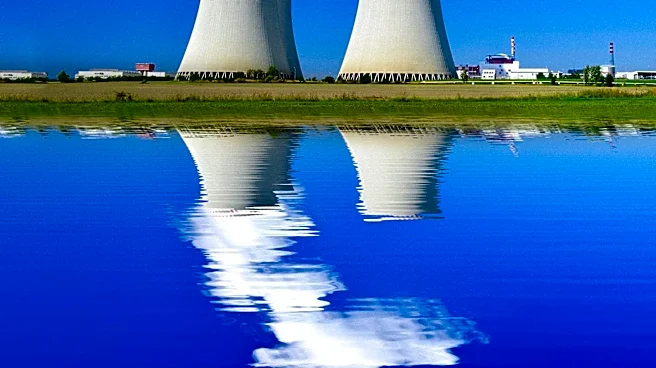
The U.S. is experiencing a renewed push for nuclear power, with states like Connecticut exploring the construction of new plants, including small modular reactors (SMRs). This drive is fueled by the perceived
need for more energy to support data centers and artificial intelligence, as well as to address the climate crisis. However, this expansion faces substantial challenges, particularly concerning radioactive waste disposal. Currently, high-level radioactive waste from civil nuclear power plants remains at 75 sites across the nation, with no permanent solution for its disposal. Plans for a deep underground repository at Yucca Mountain in Nevada were met with strong opposition from state leadership and residents. Additionally, concerns about the safety and cost-effectiveness of SMRs are being raised, with critics pointing to the lack of proven assembly-line construction and higher-than-forecast costs for existing SMRs globally.
Why It's Important?
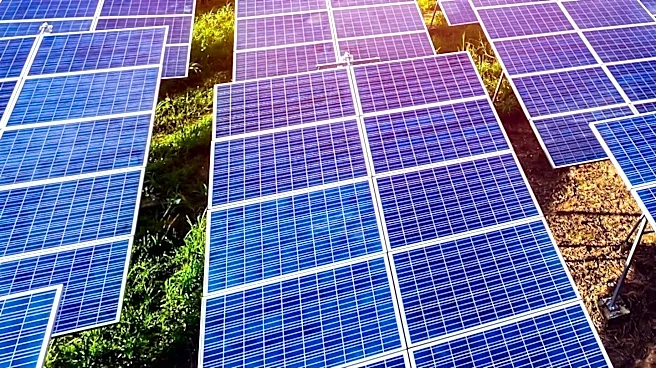
The debate over nuclear power's role in the U.S. energy future is critical for several reasons. The unresolved issue of radioactive waste poses a long-term environmental and safety risk, requiring secure storage for thousands of years. This challenge impacts public acceptance and the financial viability of new nuclear projects. Furthermore, the reliance on nuclear power as a solution for climate change is questioned by those who advocate for immediate, proven renewable energy sources like solar and wind. The high costs and long construction times associated with nuclear plants, even SMRs, could divert resources and attention from more rapidly deployable climate solutions. The potential for fusion reactors to produce weapons-grade plutonium, as highlighted by Daniel Jassby, also raises significant proliferation concerns, impacting national security and international relations.
What's Next?
The future of nuclear power in the U.S. will likely involve continued debate and research into waste management solutions and advanced reactor technologies. States like Connecticut will need to address public and expert concerns regarding safety, cost, and waste before significant expansion can occur. The Nuclear Regulatory Commission (NRC) will play a crucial role in evaluating the safety claims of SMRs, particularly regarding emergency planning zones. Proponents of nuclear power will need to demonstrate clear economic competitiveness and address the long-term storage of radioactive waste. Meanwhile, advocates for renewable energy will continue to push for a rapid transition to solar, wind, and battery storage, arguing that these technologies offer a faster and more cost-effective path to decarbonization. The outcome will shape the U.S. energy landscape for decades, influencing climate goals and economic development.
Beyond the Headlines
Beyond the technical and economic considerations, the discussion around nuclear power in the U.S. touches on fundamental questions of societal risk tolerance and the ethics of intergenerational responsibility. The legacy of radioactive waste means that decisions made today will impact countless future generations, raising moral dilemmas about burdening them with hazardous materials. The concept of 'hubris,' as mentioned in the source, highlights the potential for overconfidence in technological solutions without fully accounting for unforeseen consequences or human error. This debate also reflects a broader philosophical tension between large-scale, centralized energy production and decentralized, renewable alternatives. The historical context of the 'Atoms for Peace' initiative, which diverted attention from solar energy in the 1950s, serves as a cautionary tale about the long-term implications of energy policy choices and the need for comprehensive, rather than singular, solutions to complex challenges.