





What's Happening?
Northrop Grumman and SpaceX are gearing up for significant launches this week. Northrop Grumman is set to launch its Mission Robotic Vehicle (MRV-1) and three Mission Extension Pods (MEPs) on July 21, 2026. The MRV-1 is designed to service satellites
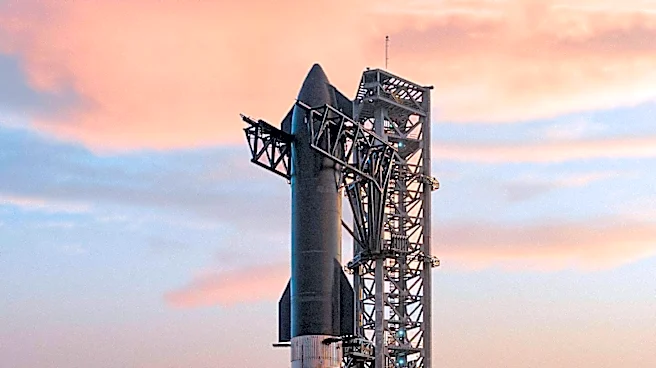
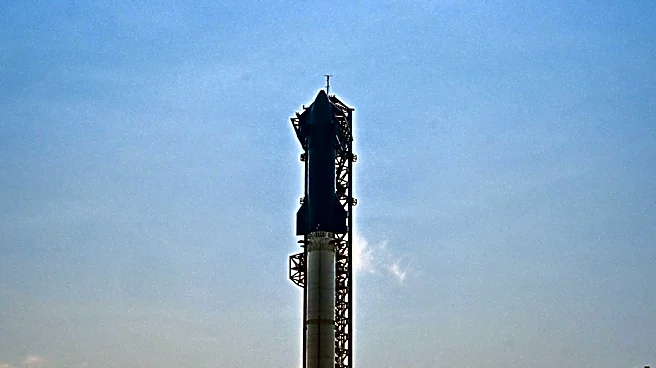
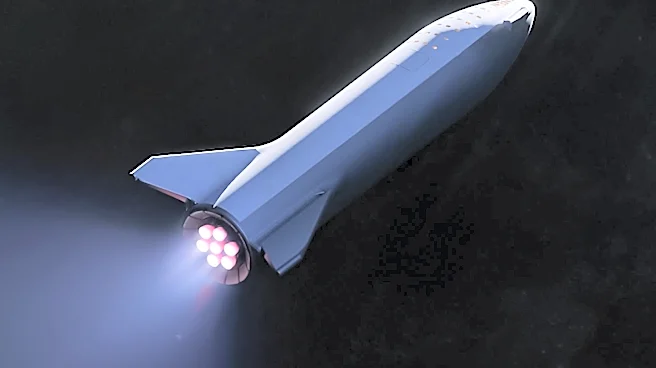
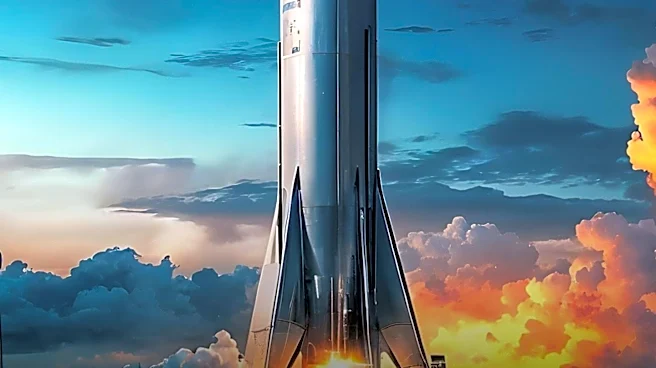
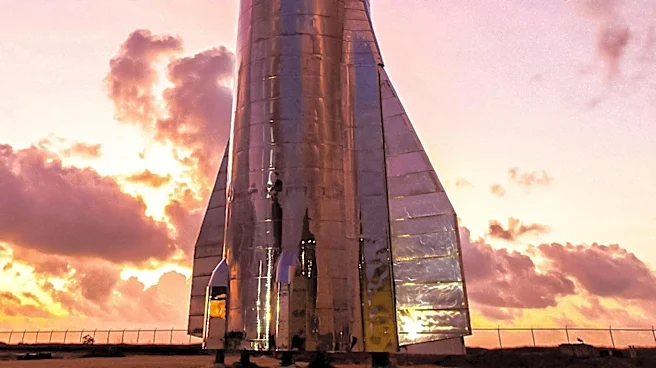
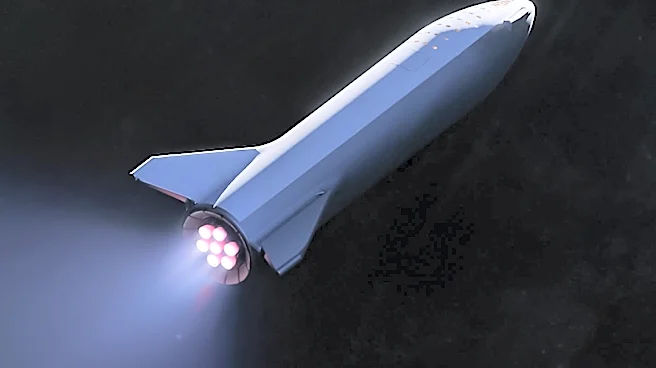
in geosynchronous orbit, extending their operational life. Meanwhile, SpaceX is preparing for the Starship Flight 13 test launch on July 23, 2026, after a previous abort. This launch will test the latest version of the Starship, which is crucial for future lunar and Mars missions.
Why It's Important?
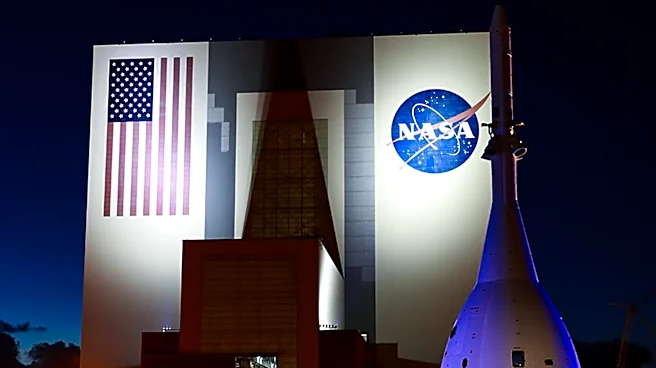
These launches represent significant advancements in space technology and exploration. Northrop Grumman's MRV-1 could revolutionize satellite maintenance, reducing costs and extending the life of satellites. SpaceX's Starship is pivotal for NASA's Artemis program and future Mars missions, marking a step towards sustainable space exploration. Successful launches could bolster the U.S. position in the global space race, encouraging further investment and innovation in the aerospace sector.
What's Next?
Following these launches, both companies will likely analyze the outcomes to refine their technologies. For Northrop Grumman, successful deployment of the MRV-1 could lead to more contracts for satellite servicing. SpaceX's Starship test will inform future missions, particularly those involving human spaceflight. The results could impact timelines for NASA's Artemis program and SpaceX's Mars ambitions, potentially accelerating the pace of space exploration.