


What's Happening?
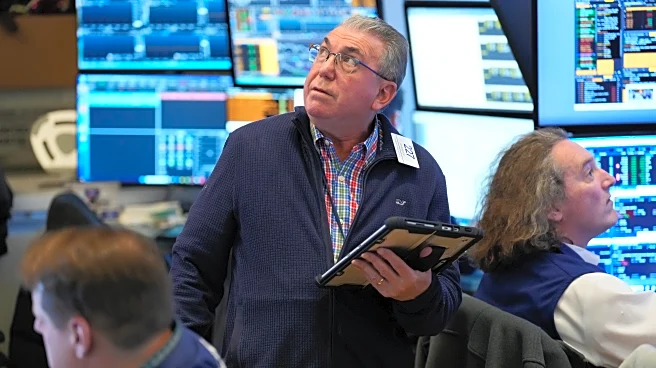
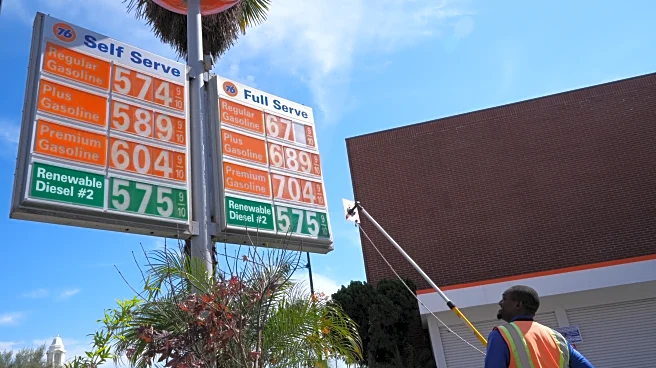
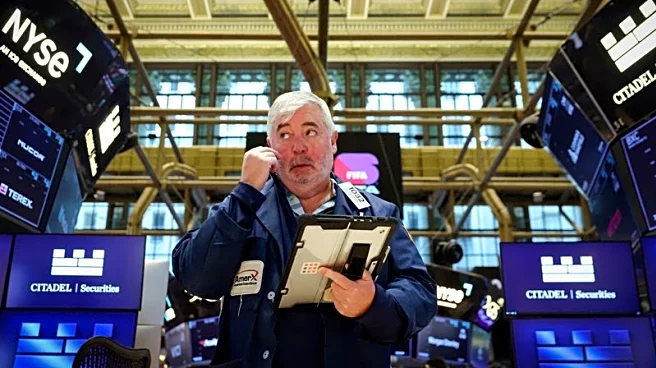
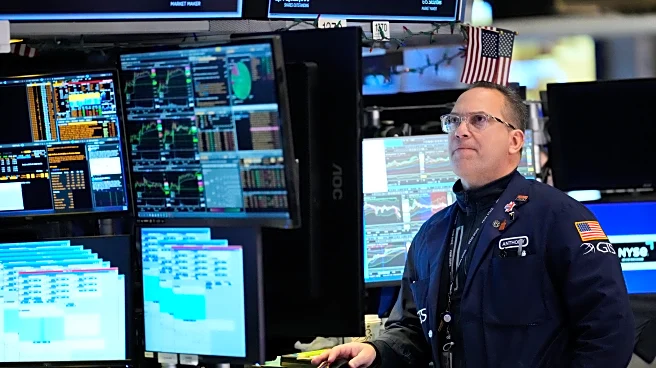
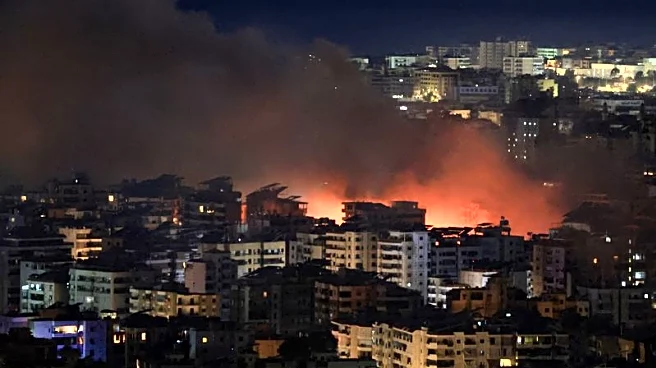
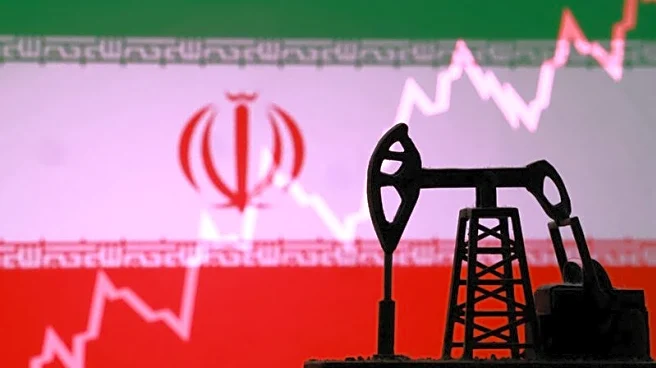
The intensifying conflict in the Middle East has led to a significant sell-off in global markets, with stocks and bonds experiencing widespread declines. The U.S.-Iran conflict has caused oil prices to surge, with Brent crude jumping nearly 9%. This has fueled
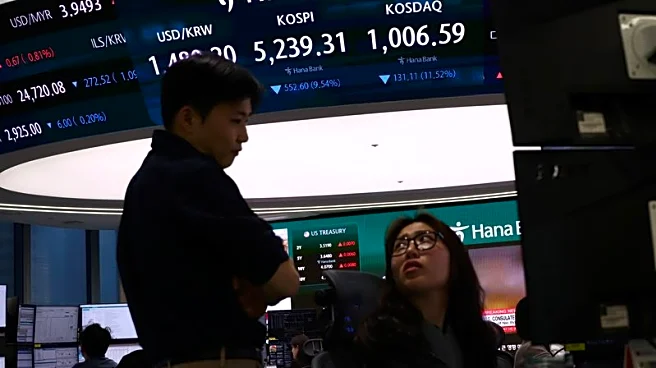
risk-off sentiment among investors, leading to declines in major stock indices across Europe, Asia, and the U.S. Government bond yields have also risen, reflecting increased market volatility. The situation has prompted investors to reassess their portfolios amid heightened geopolitical uncertainty.
Why It's Important?
The market turmoil highlights the sensitivity of global financial markets to geopolitical events. The surge in oil prices could have inflationary effects, impacting economic growth and monetary policy decisions. Investors are faced with the challenge of navigating uncertain markets, with potential implications for asset allocation and risk management. The conflict underscores the interconnectedness of global markets and the need for strategies to mitigate geopolitical risks.
What's Next?
Market participants will closely monitor developments in the Middle East, with potential implications for energy prices and economic stability. Central banks may need to adjust their policy stances in response to inflationary pressures. Investors may seek safe-haven assets or adjust their portfolios to manage risk. The duration and outcome of the conflict will be critical in determining the long-term impact on global markets.