




What's Happening?
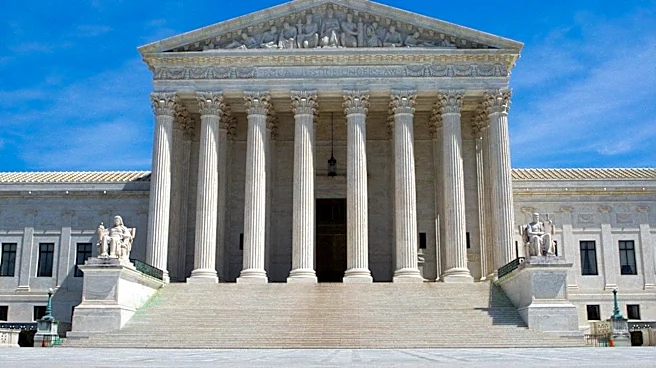
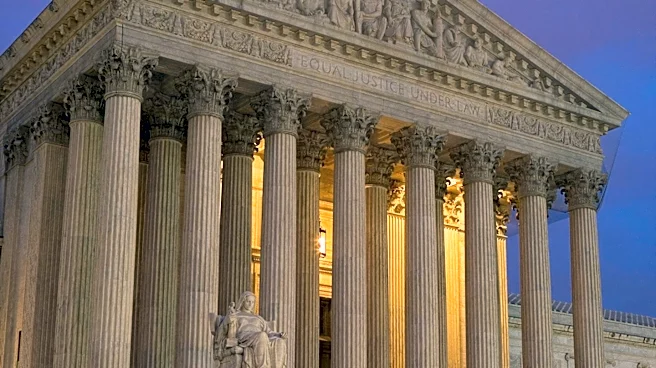
The U.S. Supreme Court has declined to overturn $122,000 in legal fees imposed on attorneys who represented former Arizona gubernatorial candidate Kari Lake. These fees stem from false and misleading statements made in a lawsuit that sought to mandate
a hand-count of all ballots in the 2022 midterm elections. Andrew D. Parker, one of the attorneys involved, had requested the Supreme Court to dismiss the fee requirement, arguing that such sanctions could discourage lawyers from pursuing aggressive or novel legal claims. However, the nation's highest court denied this request on Tuesday. The original lawsuit, filed by Lake and state lawmaker Mark Finchem, aimed to ban electronic tabulation devices and was dismissed by a judge who found that Lake and Finchem lacked standing and that the suit was filed too close to the election. Maricopa County had sought sanctions, alleging that the lawyers violated court rules by making unfounded allegations without proper research. U.S. District Judge John Tuchi concluded that the lawsuit's claims lacked factual basis and that the attorneys acted recklessly. The legal fees apply to the lawyers, not to Lake or Finchem.
Why It's Important?
This Supreme Court decision reinforces the accountability of legal professionals in election-related litigation, particularly concerning claims of fraud. The imposition of sanctions for false and misleading statements underscores the judiciary's commitment to maintaining the integrity of legal proceedings and deterring frivolous lawsuits. For the U.S. legal system, this serves as a reminder that attorneys must conduct thorough research and present fact-based arguments, especially in cases with significant public interest like election challenges. The ruling could influence how future election-related lawsuits are approached, potentially reducing the number of cases based on unsubstantiated claims. It also highlights the financial risks for lawyers who pursue litigation without adequate factual support, which could impact their willingness to take on similar cases in the future. This outcome is significant for Maricopa County, as it validates their efforts to hold the opposing legal team accountable for what they deemed to be baseless allegations.
What's Next?
With the Supreme Court's refusal to intervene, the $122,000 in legal fees against the attorneys for Kari Lake and Mark Finchem will stand. This decision concludes the appeals process regarding these specific sanctions. The case may serve as a precedent for future instances where legal teams are accused of making unfounded claims in election lawsuits. It is likely that legal professionals will review this outcome to understand the implications for their own practices, particularly in high-stakes political cases. The ruling could lead to increased scrutiny of the evidence and factual basis presented in election challenges across the country. While this particular legal battle is resolved, the broader discourse around election integrity and the role of legal challenges in U.S. elections is expected to continue, with this decision potentially shaping the strategies of future litigants and their counsel.
Beyond the Headlines
The Supreme Court's decision extends beyond the immediate financial implications for the involved attorneys; it touches upon the ethical responsibilities of the legal profession in a highly polarized political environment. The ruling sends a clear message that the pursuit of legal action, even in politically charged contexts, must adhere to established standards of factual accuracy and professional conduct. This could contribute to a broader re-evaluation within the legal community regarding the balance between zealous advocacy and the obligation to present truthful information to the courts. Furthermore, the case highlights the ongoing tension between claims of election fraud and the judicial process designed to adjudicate such claims. The judiciary's firm stance against unsubstantiated allegations could help restore public confidence in the electoral system by demonstrating that legal challenges must be grounded in verifiable facts, rather than political narratives. This emphasis on factual rigor is crucial for maintaining the legitimacy of both elections and the courts in the U.S.