



What's Happening?
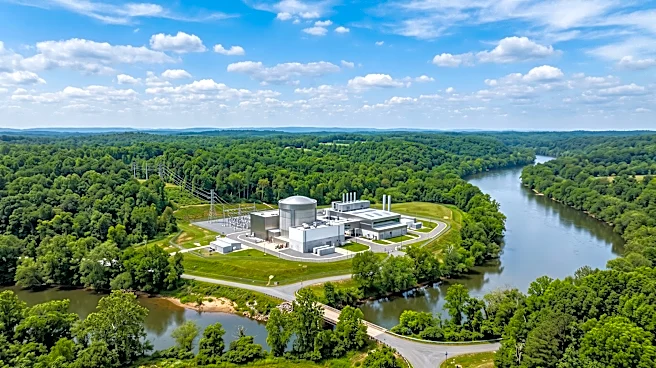
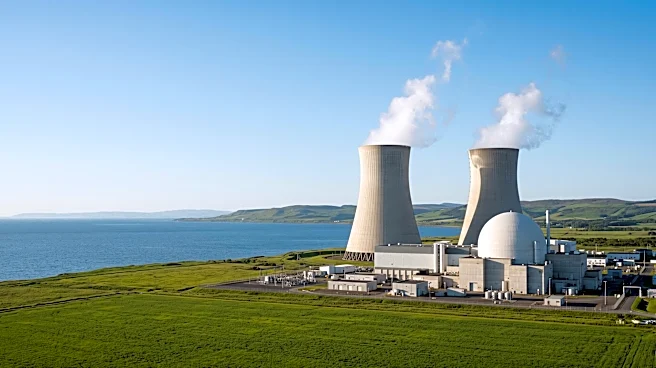
The Tennessee Valley Authority (TVA) has received a construction permit from the U.S. Nuclear Regulatory Commission (NRC) for its Clinch River Unit 1 small modular reactor (SMR) at the Clinch River Nuclear Site in Oak Ridge, Tennessee. This makes TVA the first
U.S. utility permitted to construct the GE Vernova Hitachi Nuclear Energy BWRX-300 SMR, and it is only the second advanced reactor construction permit ever issued in the nation. The permit was issued ahead of schedule, reflecting modern regulatory efficiency and enhanced cooperation between federal agencies and the industry. While no specific construction date has been announced, this achievement is considered a significant step in advancing America's nuclear energy future. The SMR is designed to generate up to 300 megawatts of electricity, which is approximately one-third the capacity of traditional nuclear units. Its modular design allows for major components to be factory-built and shipped to the site, aiming to reduce construction time, cost, and complexity.
Why It's Important?
This permit is a landmark achievement that underscores TVA's leadership in nuclear energy and sets a precedent for future SMR deployments across the United States. The issuance of this permit establishes a clear and repeatable licensing pathway for subsequent BWRX-300 SMR applicants, which is crucial for improving predictability, lowering barriers, and accelerating deployment timelines nationwide. SMRs are seen as a vital component of the nation's energy strategy, offering a reliable, carbon-free power source that can meet growing electricity demands, particularly from sectors like data centers and artificial intelligence. Their passive safety features, smaller land and water requirements, and ability to be added incrementally make them an attractive option for diverse energy needs. The project also highlights the strategic importance of the Clinch River site, located near the U.S. Department of Energy's Oak Ridge National Laboratory, positioning Tennessee as a hub for nuclear innovation and a model for the nation's evolving nuclear ecosystem.
What's Next?
TVA is currently engaged in negotiations with industry partners to ensure responsible cost-sharing and financial accountability throughout the design and construction phases of the Clinch River SMR. The utility emphasizes that its priority is to prevent the costs of this first-of-a-kind technology from being solely borne by the residents of the Tennessee Valley, given its national and global benefits. Strategic partnerships are crucial for shared responsibility, value, and progress in deploying advanced nuclear infrastructure to support national energy security and AI dominance goals. While a construction date has not yet been set, the permit paves the way for the project to move forward. The success of this project will be closely watched by other utilities and developers, as it could significantly influence the pace and scale of SMR adoption across the U.S. The NRC's streamlined licensing process demonstrated here is expected to encourage more applications and accelerate the overall development of advanced nuclear technologies.
Beyond the Headlines
The Clinch River SMR project represents more than just a new power plant; it symbolizes a renewed national commitment to nuclear energy as a cornerstone of a clean and secure energy future. The emphasis on modular design and factory prefabrication could revolutionize the construction industry, making nuclear projects more akin to advanced manufacturing than traditional large-scale infrastructure builds. This shift could lead to significant economic benefits, including job creation in manufacturing, engineering, and construction, as well as fostering a skilled workforce in advanced nuclear technologies. Furthermore, the project's location near Oak Ridge National Laboratory reinforces the synergy between research, development, and commercial deployment, potentially accelerating innovation in nuclear science. The political support from U.S. Senators Marsha Blackburn and Bill Hagerty, and U.S. Representatives Chuck Fleischmann and Tim Burchett, highlights a bipartisan recognition of nuclear energy's role in economic prosperity and national security. This project could also serve as a critical test case for public acceptance of advanced nuclear technologies, demonstrating their safety and economic viability to a broader audience.