







What's Happening?
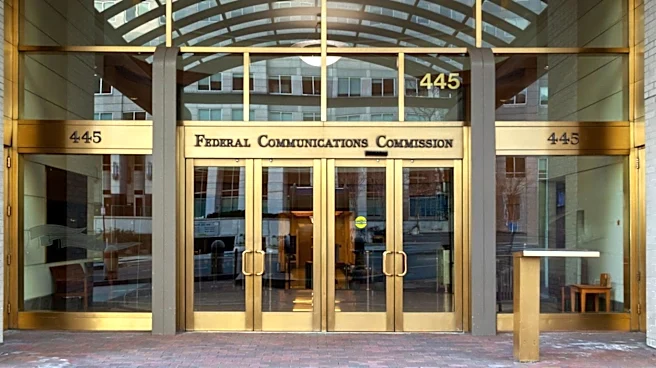
Federal Communications Commission (FCC) Commissioner Olivia Trusty announced that the agency anticipates products bearing the U.S. Cyber Trust Mark will be available to consumers within the next year. This voluntary program aims to help shoppers assess
the cybersecurity protections of connected household devices, such as cameras, appliances, and baby monitors. The FCC plans to seek public comment on technical requirements and testing procedures in the coming months. Additionally, the agency has initiated a separate proceeding to address label design, certification renewal, and post-market product checks. FCC Chairman Brendan Carr assigned Commissioner Trusty to oversee the implementation of this program, which is designed to function similarly to the Energy Star label, providing clear security information to consumers. The initiative has experienced delays and administrative changes, including the selection of ioXt Alliance as the lead administrator after UL Solutions withdrew following a national security review.
Why It's Important?
The U.S. Cyber Trust Mark is crucial for enhancing consumer confidence and safety in an increasingly connected world. As more household devices become internet-enabled, the risk of cyber vulnerabilities grows, potentially exposing personal data and creating security risks within homes. This labeling program aims to simplify complex cybersecurity information, allowing consumers to make informed purchasing decisions without needing to be cybersecurity experts. By providing a standardized way to compare security features, the mark could drive manufacturers to improve the security of their products to meet certification standards, thereby raising the overall cybersecurity posture of the Internet of Things (IoT) ecosystem. This initiative also addresses a significant gap in consumer information, as current purchasing decisions often prioritize price and features over security, which is often difficult for the average consumer to evaluate.
What's Next?
Several key steps remain before products with the U.S. Cyber Trust Mark reach store shelves. The FCC must finalize its technical requirements and testing procedures, followed by the accreditation of organizations responsible for testing and certifying devices. Manufacturers are encouraged to begin preparing now by identifying product weaknesses and establishing mechanisms for delivering security updates to customers. The program will also involve ongoing responsibilities for manufacturers to address vulnerabilities and support certified devices. Furthermore, the FCC is developing frameworks for post-market checks and handling consumer complaints to ensure continuous compliance. Public comment periods on technical requirements and testing procedures are expected in the coming months, which will shape the final implementation of the program.
Beyond the Headlines
The introduction of the U.S. Cyber Trust Mark signifies a broader shift towards greater accountability and transparency in the consumer technology sector. This initiative could set a precedent for other industries to adopt similar labeling standards for product safety and performance. Ethically, it empowers consumers by providing them with critical information that was previously inaccessible or difficult to interpret, fostering a more informed marketplace. Legally, it could influence future regulations regarding product liability and cybersecurity standards for connected devices. Culturally, it may lead to increased consumer awareness and demand for secure products, pushing cybersecurity from a niche concern to a mainstream purchasing factor. In the long term, this program could contribute to a more secure digital infrastructure within homes, reducing the attack surface for cyber threats and protecting individual privacy.