

What's Happening?
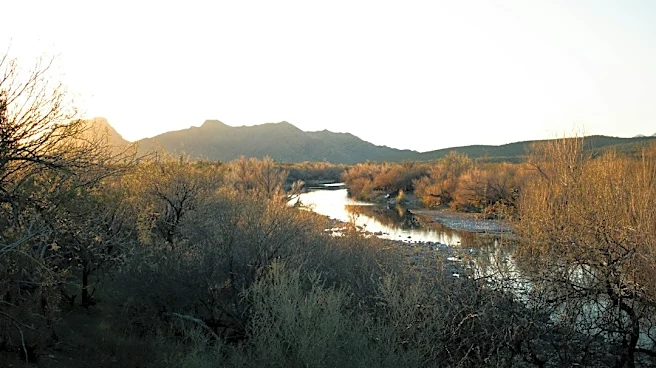
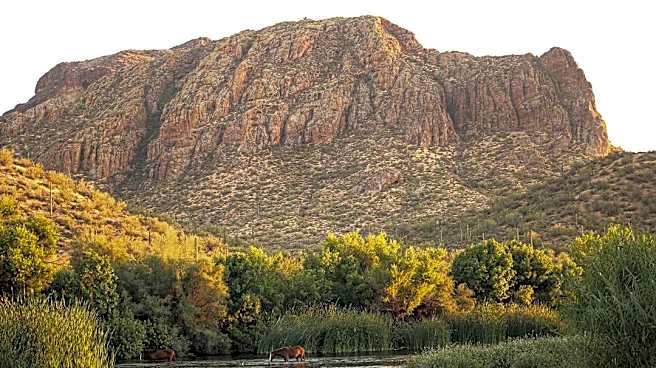
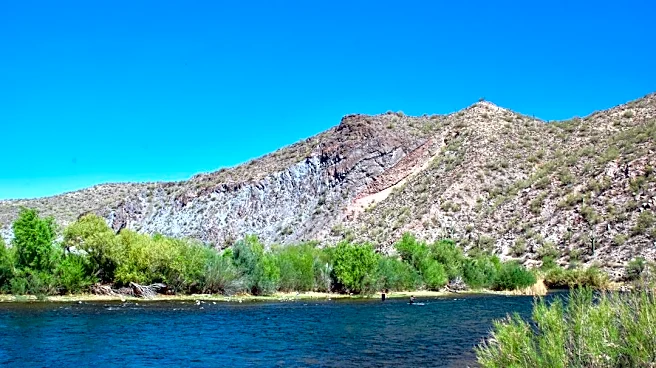
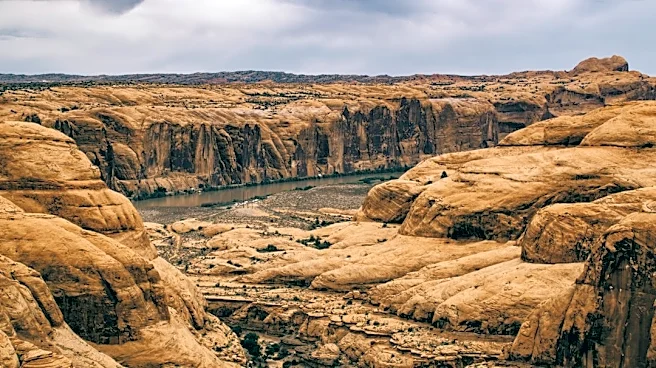
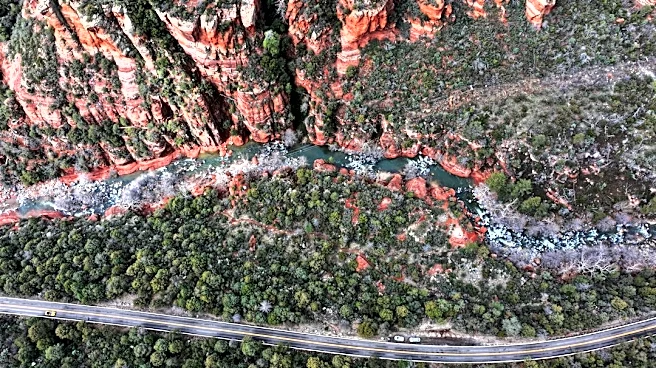
Recent storms have brought significant rainfall to Arizona and the Four Corners region, leading to increased reservoir levels and river flows. In Arizona, the Salt River Project boosted releases from dams after historic rainfall, sending water through
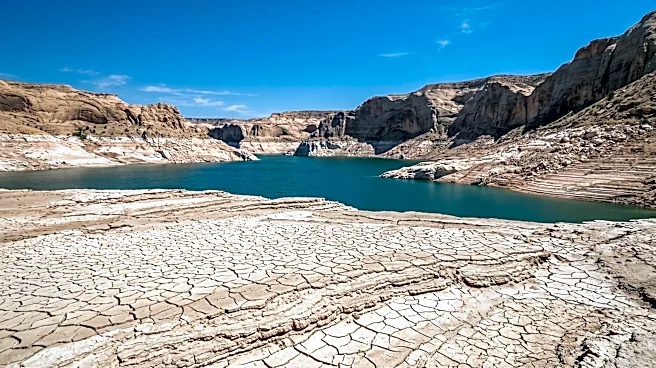
normally dry sections of the Salt River. Lake Powell also saw a temporary gain, increasing by over 500,000 acre-feet between October 21 and October 28, raising its level by nine to ten feet. However, despite these gains, Lake Powell remains only about 26% full and approximately 174 feet below its full capacity. Water experts emphasize that this temporary boost does not alter the long-term drought affecting the Colorado River Basin, and groundwater recovery, especially for deeper aquifers, will take decades or even centuries. Federal managers continue to release water from Flaming Gorge Reservoir to support Lake Powell, impacting recreation and marina operations in Wyoming.
Why It's Important?
The Colorado River Basin is a critical water source for millions of people and vast agricultural lands across the southwestern U.S. The persistent long-term drought, despite recent rainfall, highlights the severe and ongoing water crisis in the region. While temporary increases in reservoir levels offer some immediate relief, they do not address the fundamental imbalance between water supply and demand, exacerbated by climate change. The continued low levels of Lake Powell and Lake Mead, even after significant precipitation, underscore the fragility of the region's water infrastructure and the urgent need for sustainable water management. The impacts extend to various sectors, including agriculture, energy production (hydropower), and recreation, affecting the economic stability and environmental health of multiple states.
What's Next?
The upcoming winter will be crucial for the Colorado River Basin, as the system heavily relies on Upper Basin snowpack and spring runoff for replenishment. Water managers will continue to monitor snowpack levels and adjust water allocations accordingly. The ongoing releases from Flaming Gorge Reservoir to support Lake Powell indicate that proactive measures are still necessary to manage the basin's water levels. Long-term solutions will require sustained efforts in water conservation, efficiency improvements, and potentially new water sources or reallocation strategies across the basin states. The slow recovery of deeper aquifers means that even with improved surface water conditions, groundwater resources will remain a concern for decades.
Beyond the Headlines
The situation in the Colorado River Basin is a microcosm of the broader challenges posed by climate change and water scarcity globally. The temporary relief from recent rains masks a deeper, systemic issue that demands comprehensive and collaborative solutions. This scenario highlights the complex interplay between natural weather variability, human water consumption, and long-term climate trends. It also brings to light the political and economic tensions surrounding water rights and allocation among states and various stakeholders. The need for sustained snowpack and runoff underscores the vulnerability of the entire system to future climate shifts, emphasizing that a fundamental re-evaluation of water usage and management practices is essential for the long-term viability of the region.