




What's Happening?
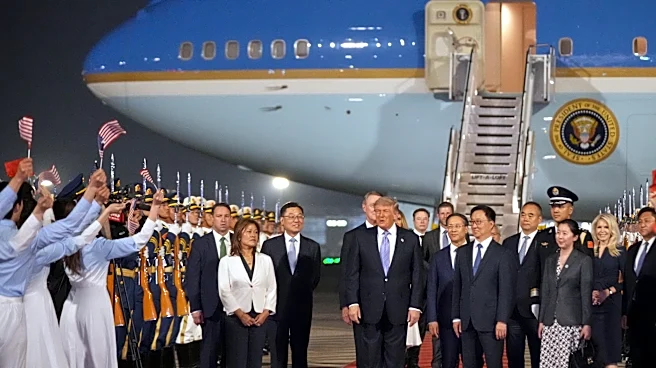
During a high-stakes summit in China, President Trump announced that the United States and China have reached 'fantastic' trade agreements. The discussions, which took place with Chinese President Xi Jinping, focused on enhancing trade relations between
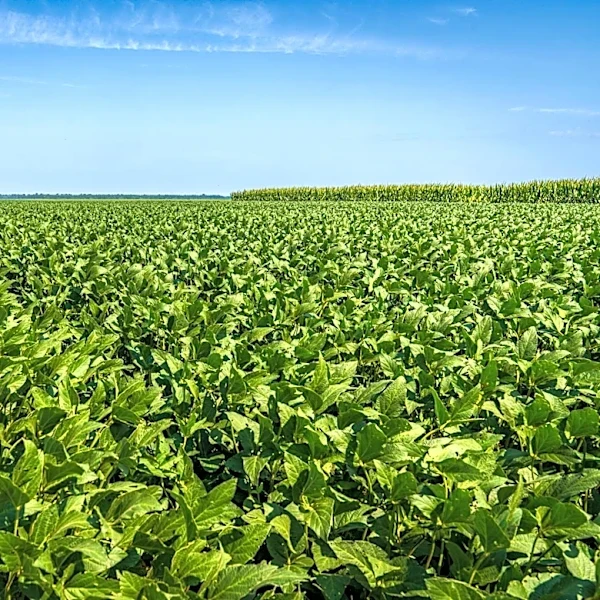
the two nations. President Trump highlighted that these agreements are part of a broader effort to balance trade and improve commercial ties. The summit also touched upon the United States' stance on Taiwan, which could influence future trade dynamics. The agreements reportedly include commitments from China to purchase significant amounts of U.S. agricultural products and other goods, aiming to reduce the trade deficit and foster economic cooperation.
Why It's Important?
The trade agreements between the United States and China are significant as they aim to address longstanding trade imbalances and tensions between the two largest economies in the world. By securing commitments from China to purchase more U.S. goods, the agreements could provide a boost to American industries, particularly agriculture and manufacturing, which have been affected by previous trade disputes. Additionally, these deals may help stabilize global markets by reducing uncertainty and fostering a more cooperative economic relationship between the two countries. The outcome of these negotiations could also influence U.S. domestic policy and international trade strategies, impacting stakeholders across various sectors.
What's Next?
Following the summit, both countries are expected to implement the agreed-upon trade measures, which may involve setting up mechanisms to monitor compliance and address any disputes that arise. The establishment of a 'Board of Trade' to oversee tariff reductions and other trade-related issues is anticipated. Additionally, the U.S. stance on Taiwan remains a critical factor that could affect future negotiations and bilateral relations. Stakeholders, including businesses and policymakers, will likely monitor the implementation of these agreements closely to assess their impact on trade and economic growth.