






What's Happening?
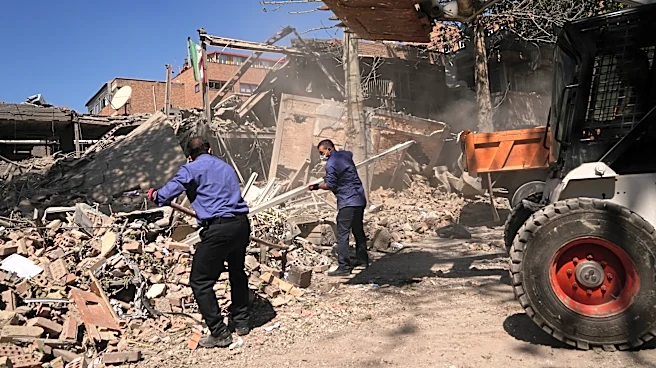
Defense Secretary Pete Hegseth is under scrutiny following revelations from a whistleblower about the Iranian drone attack on a U.S. military facility in Kuwait. The attack resulted in the deaths of six Americans, and the whistleblower claims that Hegseth lied
about the facility's fortifications. Contrary to Hegseth's statements, the whistleblower and an injured soldier assert that the operations center was not fortified against drone attacks. The facility reportedly lacked compliance with the Army's counter-drone manual, which mandates steel reinforcements. Hegseth has been criticized for downplaying the severity of Iran's responses and providing misleading information about the war's progress. His claims about Iran's air defenses were contradicted when a U.S. jet was shot down. The whistleblower's allegations add to the growing evidence challenging the administration's justification for the war.
Why It's Important?
The whistleblower's revelations raise serious concerns about the transparency and accuracy of information provided by the Trump administration regarding the Iran war. If the facility was indeed inadequately fortified, it suggests a failure in military preparedness and protection for U.S. personnel. This could have significant implications for U.S. military strategy and policy, potentially affecting public perception and support for the war. The situation underscores the importance of accountability and truthful communication from government officials, especially in matters of national security. The controversy may lead to increased scrutiny of the administration's handling of the conflict and pressure for more rigorous oversight.