



What's Happening?
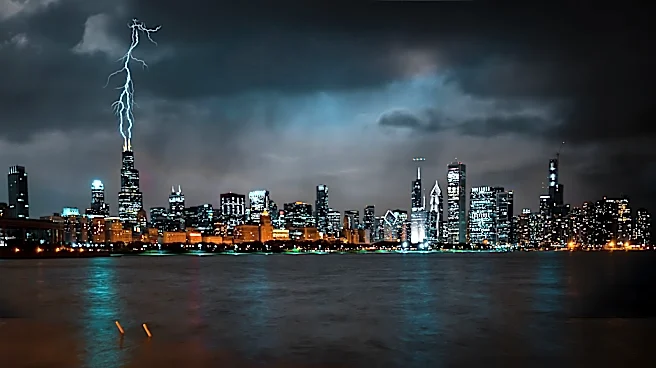
The Chicago area is experiencing its third consecutive day of extreme heat warnings, issued by the National Weather Service. Temperatures are expected to feel as high as 101 degrees Fahrenheit due to high humidity before a cold front arrives. On Tuesday,
temperatures peaked at 95 degrees at O’Hare Airport, followed by 96 degrees on Wednesday. The heat index reached 106 degrees at Midway Airport on Monday. The warning is set to expire at 7 p.m. on Thursday, with a 40% chance of showers and thunderstorms expected to bring cooler temperatures in the afternoon.
Why It's Important?
Prolonged extreme heat in a major metropolitan area like Chicago poses significant public health risks, particularly for vulnerable populations such as the elderly, children, and individuals with pre-existing health conditions. Heat-related illnesses, including heatstroke and heat exhaustion, can lead to hospitalizations and, in severe cases, fatalities. The strain on emergency services and healthcare facilities increases during such events. Economically, extreme heat can disrupt outdoor work, reduce productivity, and increase energy consumption due to heightened demand for air conditioning, potentially leading to power outages. The repeated nature of these warnings also highlights a growing concern about the impact of changing weather patterns on urban infrastructure and public safety, necessitating robust preparedness and response strategies from local authorities.
What's Next?
As the extreme heat warning expires, the Chicago area anticipates a cold front bringing a 40% chance of showers and thunderstorms, which should lead to a drop in temperatures. Local authorities and public health officials will likely continue to monitor weather conditions and assess any heat-related impacts on the community. There may be ongoing public advisories regarding staying hydrated and recognizing symptoms of heat-related illnesses. In the longer term, repeated extreme weather events could prompt discussions and actions regarding urban planning, infrastructure improvements, and public health initiatives aimed at mitigating the effects of heat waves. This might include expanding cooling centers, improving public access to shaded areas, and enhancing early warning systems for residents.
Beyond the Headlines
The recurring extreme heat events in Chicago underscore broader climate trends and their localized impacts on urban environments. These events highlight the challenges faced by cities in adapting to more frequent and intense heat waves, which can exacerbate existing social inequalities, as access to air conditioning and cooling centers varies across different neighborhoods. The increased demand for electricity during heat waves also raises questions about energy infrastructure resilience and the transition to sustainable energy sources. Furthermore, the psychological toll of prolonged extreme weather, coupled with the physical discomfort, can affect community well-being and mental health. This situation prompts a deeper examination of urban heat island effects and the role of green infrastructure in mitigating high temperatures, emphasizing the need for comprehensive, long-term strategies to build climate-resilient cities.