







What's Happening?
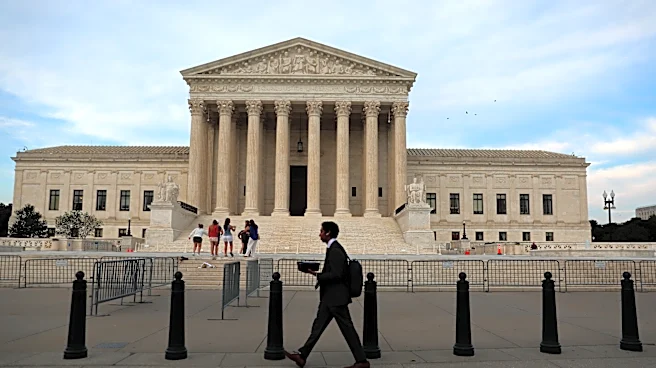
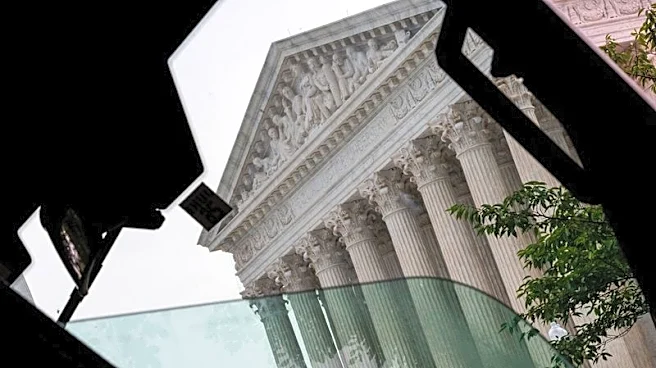
The U.S. Supreme Court has ruled that the president has the authority to fire the heads of independent federal agencies, overturning a precedent set in 1935. This decision grants President Trump the power to remove agency leaders at will, potentially
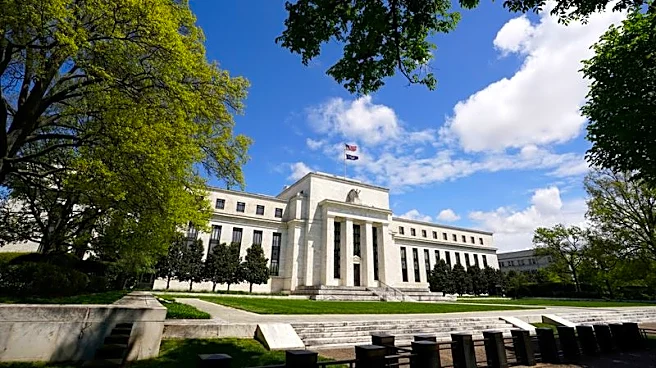
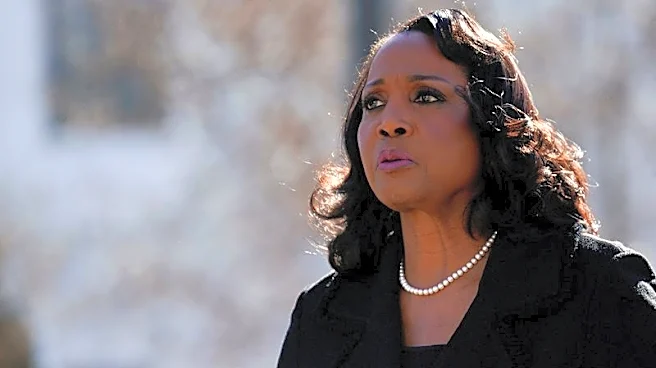
altering the operations of agencies like the Federal Trade Commission, Consumer Product Safety Commission, and Federal Energy Regulatory Commission. The ruling follows a case where the court decided President Trump could not fire Federal Reserve board member Lisa Cook for specific reasons. The decision marks a significant shift in the balance of power between the executive branch and independent agencies, which were designed to operate free from political influence.
Why It's Important?
The ruling could lead to increased political influence over agencies that were intended to function independently, potentially affecting their ability to implement long-term, stable policies. This change may introduce more volatility into areas such as consumer protection, labor relations, and energy regulation. The decision could also impact business planning and investment, as companies may face uncertainty regarding regulatory environments. The ruling reflects a broader trend of increasing presidential power, raising concerns about the potential for political interference in agency operations.
What's Next?
The decision may prompt future legal challenges and legislative efforts to redefine the scope of presidential authority over independent agencies. As President Trump exercises this new power, the impact on agency operations and policy implementation will be closely monitored. The ruling could influence how future administrations approach the management of independent agencies, potentially leading to further shifts in the balance of power within the federal government.