






What's Happening?
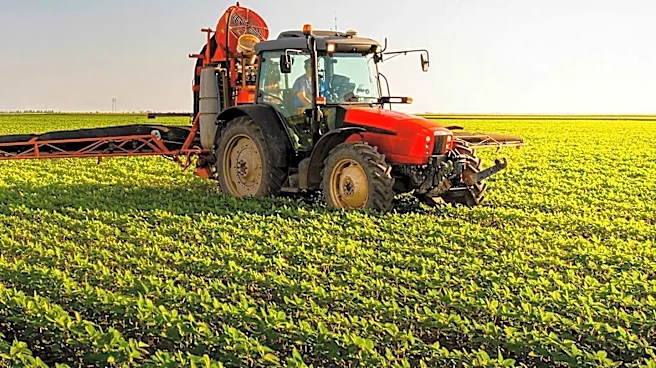
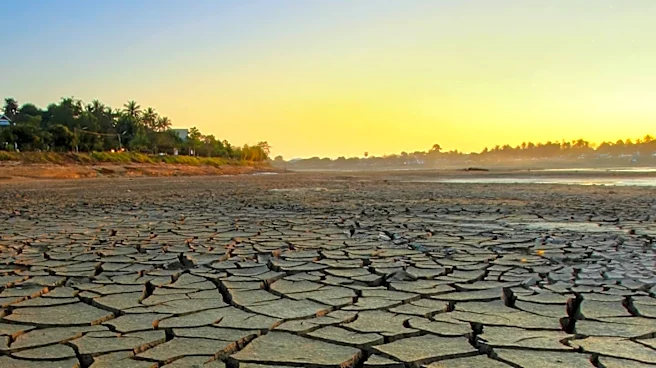
Recent reports highlight a phenomenon termed 'climateflation,' where extreme weather events, particularly heatwaves, have led to a significant reduction in agricultural and livestock production in Europe. This has resulted in a sharp increase in food
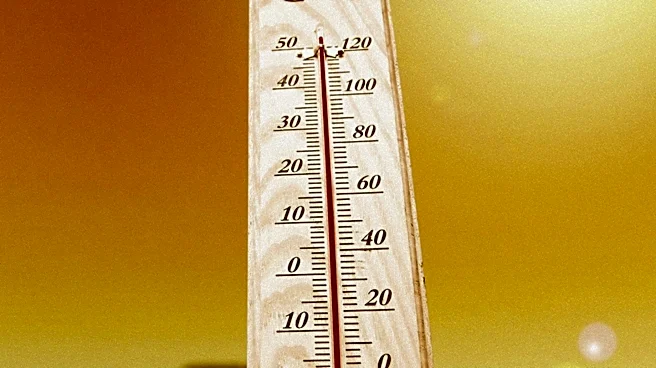
prices globally. The unprecedented temperatures have caused a decline in crop yields and livestock production, leading to a scarcity of food supplies. This situation has been exacerbated by the ongoing heatwaves across Europe, which have been described as more impactful than geopolitical conflicts in terms of their effect on food prices.
Why It's Important?
The rise in food prices due to climateflation has significant implications for global food security and economic stability. As food prices increase, it affects not only consumers but also industries reliant on agricultural products. This can lead to increased costs for food manufacturers and retailers, potentially resulting in higher prices for consumers. Additionally, the scarcity of food supplies can lead to increased competition for resources, affecting international trade and relations. The situation underscores the need for robust climate adaptation strategies to mitigate the impact of extreme weather on food production.
What's Next?
If the current trend continues, it is expected that food prices will remain high, potentially leading to inflationary pressures in various economies. Governments and international organizations may need to implement measures to stabilize food prices and ensure food security. This could include investing in climate-resilient agricultural practices and infrastructure to withstand extreme weather events. Additionally, there may be increased focus on developing policies to address the root causes of climate change and reduce its impact on global food systems.
Beyond the Headlines
The phenomenon of climateflation highlights the interconnectedness of climate change and economic systems. It raises ethical and policy questions about how societies can balance economic growth with environmental sustainability. The situation also emphasizes the importance of international cooperation in addressing climate change, as its effects are not confined to national borders. Long-term, this could lead to shifts in agricultural practices and food consumption patterns as societies adapt to changing environmental conditions.