


What's Happening?
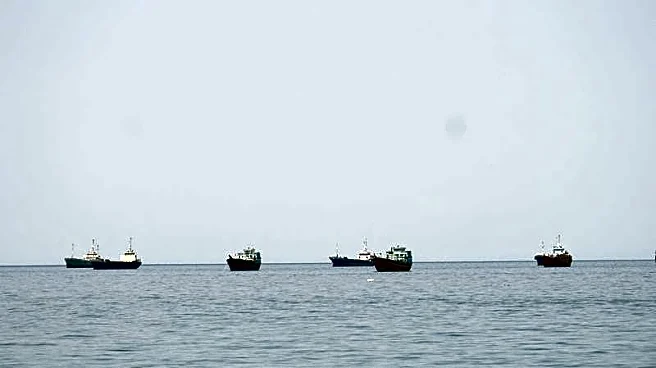
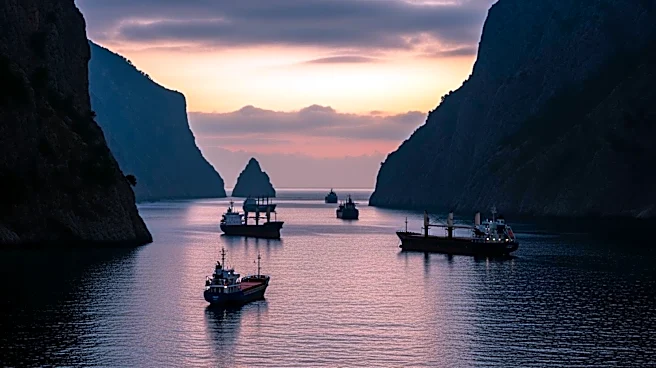
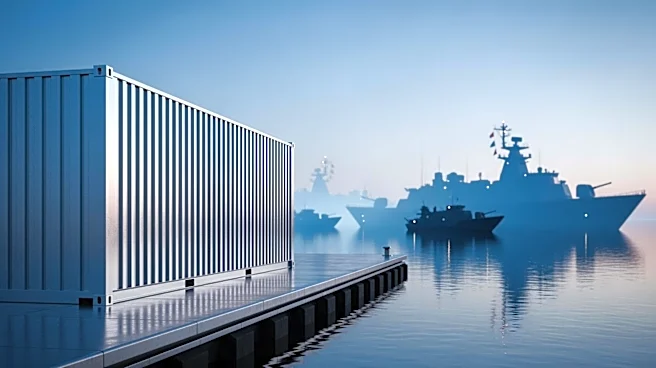
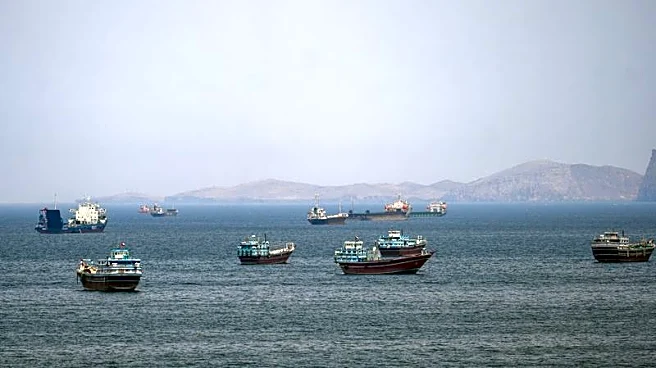
The International Maritime Organization (IMO) has raised alarms over the precarious situation in the Strait of Hormuz, where approximately 20,000 seafarers are trapped due to escalating regional conflicts. IMO Secretary-General Arsenio Dominguez has called
for international support to address the crisis, highlighting that several vessels have been seized and detained in recent days. The region has witnessed 29 verified attacks on vessels since the conflict began, resulting in the deaths of at least 10 seafarers. Dominguez emphasized the urgent need for the release of seafarers, who are not at fault, and warned of the deteriorating conditions on ships, with supplies of water, food, and fuel running low. The IMO is working on an evacuation plan, contingent on safety guarantees and cooperation from all parties involved in the conflict.
Why It's Important?
The situation in the Strait of Hormuz is critical due to its strategic importance as a major global oil transit chokepoint. The entrapment of seafarers and the threat to maritime security could have significant implications for international trade and energy markets. The disruption in the Strait could lead to increased oil prices and affect global supply chains. The humanitarian aspect is also significant, as the welfare and safety of thousands of seafarers are at risk. The international community's response to this crisis will be crucial in ensuring maritime safety and stability in the region.
What's Next?
The IMO is coordinating with member states and partners to implement an evacuation plan for the trapped seafarers. This plan requires a ceasefire agreement from all parties involved in the conflict to ensure safe passage. The organization is also urging flag states, NGOs, and industry bodies to provide remote support and keep families informed. The success of these efforts will depend on diplomatic negotiations and the willingness of regional powers to cooperate. The situation remains fluid, and further developments could impact the timeline and effectiveness of the evacuation efforts.