






What's Happening?
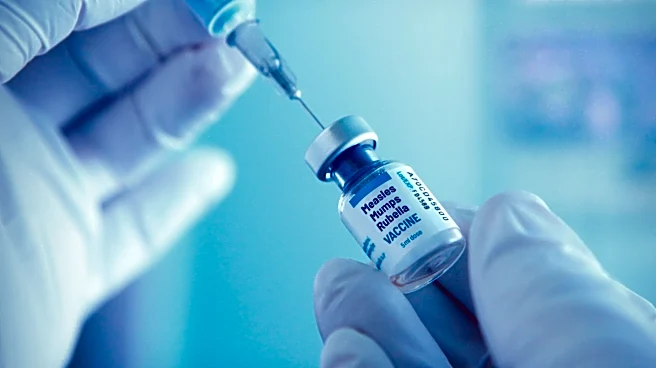
The Benton County Health Department is alerting schools and caregivers about a downward trend in school-required vaccination rates across the state and county. This decline means that more students are attending school without some or all of their required vaccines.
Health officials emphasize that when vaccination rates drop, the risk of outbreaks for diseases like measles and pertussis (whooping cough) significantly increases, as these illnesses spread rapidly in school and childcare environments. Luv Paresa, RN, immunization coordinator for Benton County Health Department, noted that the return of staff and children to classrooms after summer travel often leads to a quick spread of illness. The department is urging families to adhere to the recommended childhood and adolescent immunization schedule to protect students, families, staff, and the wider community from serious diseases. Current vaccination rates are deemed insufficient to maintain community immunity, also known as herd immunity, which is crucial for preventing easy spread of germs within a population.
Why It's Important?
The decline in childhood vaccination rates in Benton County and across the state poses a significant public health threat. Community immunity, or herd immunity, is essential for protecting vulnerable populations, including infants too young to be vaccinated, individuals with compromised immune systems, and those who cannot receive certain vaccines for medical reasons. When vaccination coverage falls below critical thresholds, these individuals become highly susceptible to preventable diseases. The increased risk of outbreaks of highly contagious diseases like measles and pertussis can lead to severe health complications, hospitalizations, and even fatalities. Furthermore, outbreaks can disrupt educational activities, as unvaccinated students may be excluded from school or childcare for extended periods, impacting their learning and family schedules. The situation highlights the ongoing challenge for public health officials to ensure widespread vaccination coverage and counter any factors contributing to vaccine hesitancy.
What's Next?
Benton County Health Department is actively encouraging parents and caregivers to verify their children's vaccination status and update their records as the school year progresses. They advise checking required vaccines for school and childcare, reviewing existing vaccine records, and scheduling any necessary appointments. The department also offers resources, including an immunization webpage with a printable flyer of the school-required vaccine schedule in English and Spanish, and provides services at their Public Health Immunization Clinic. During an outbreak, Oregon law mandates that students who are not fully vaccinated may be excluded from school or childcare to prevent further spread, with exclusions potentially lasting several weeks depending on the disease. For instance, unvaccinated students could face at least 21 days of exclusion during a measles outbreak. The health department is prepared to assist families with vaccine needs and record updates to avoid such exclusions.
Beyond the Headlines
The issue of declining vaccination rates extends beyond immediate health concerns, touching upon broader societal implications regarding public trust in health institutions and the impact of misinformation. The erosion of community immunity can lead to the resurgence of diseases that were once largely eradicated, challenging decades of public health progress. This trend also underscores the importance of accessible and accurate health information, as well as the role of healthcare providers in educating families about vaccine safety and efficacy. The potential for school exclusions due to unvaccinated status during outbreaks highlights a tension between individual choices and collective public health responsibilities, raising questions about policies designed to balance these aspects. Ultimately, maintaining high vaccination rates is a cornerstone of public health, safeguarding not only individual well-being but also the resilience of the entire community against infectious diseases.