



What's Happening?
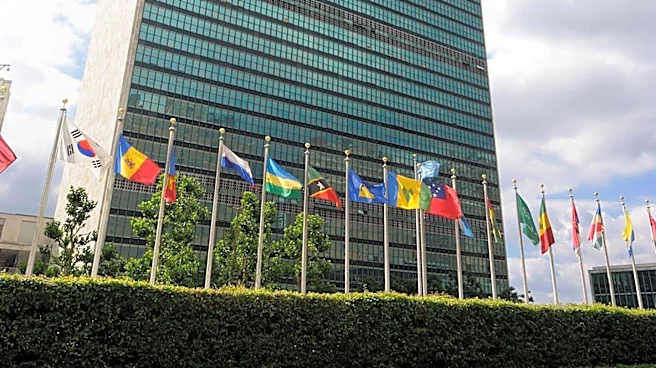
The Trump administration has renewed the United States' withdrawal from the United Nations Human Rights Council system, asserting that it does not recognize the credibility of a UN report. This report, prepared by an independent fact-finding mission commissioned
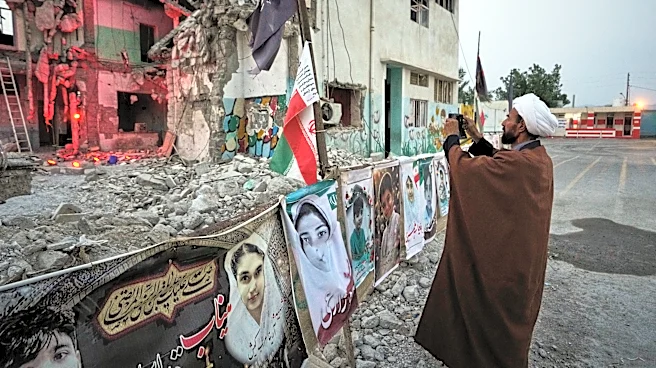
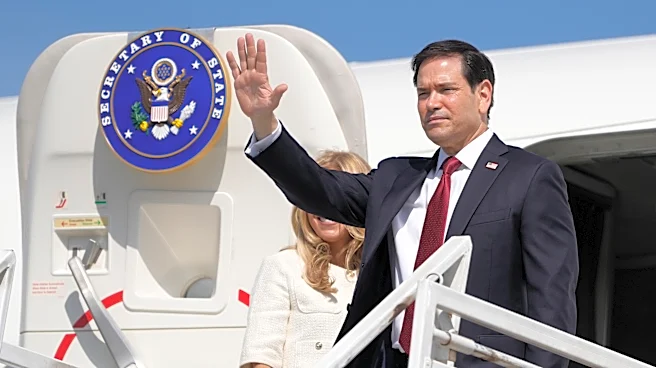
by the Human Rights Council, concluded there were 'reasonable grounds' to believe that the United States committed a war crime in two attacks in Iran that killed civilians, including children. The US State Department stated that the Trump administration considers the Human Rights Council a discredited institution due to its perceived continuous failure to uphold its values, and its direction of what it described as 'anti-American' and 'anti-Semitic' rhetoric, in addition to appeasing repressive regimes. The administration emphasized that the protection of civilians is 'of paramount importance' to the United States but rejected the UN investigation's findings. This withdrawal is an extension of a policy that began during President Trump's first term, where the US initially withdrew in June 2018, citing bias against Israel and the Council's composition.
Why It's Important?
This decision by the Trump administration signifies a continued disengagement from international human rights oversight mechanisms, raising questions about the future of the American role in the global human rights system. By rejecting the UN report and withdrawing from the Human Rights Council, the United States is signaling a stance that prioritizes national sovereignty and its own assessment of military operations over international scrutiny. This move could weaken the Council's influence and legitimacy, as the absence of a major global power like the U.S. may create a vacuum that other nations could exploit. Critics argue that withdrawal deprives Washington of a diplomatic tool to influence the Council's agenda and hold other governments accountable from within, while supporters believe the Council suffers from chronic biases, particularly against Israel, and that participation grants it undeserved legitimacy. The report's findings, though not legally binding, represent a documentary record that could be used by judicial or human rights bodies, making the U.S. rejection a significant political statement.
What's Next?
The Trump administration's renewed withdrawal from the Human Rights Council and its rejection of the UN report on alleged war crimes in Iran will likely lead to continued international debate and criticism regarding U.S. foreign policy and its commitment to human rights. The UN Human Rights Council is expected to present its findings, which also accuse Iranian authorities of committing widespread human rights violations, to the Council. The U.S. will likely continue to refer questions regarding its military operations to the Department of War and maintain its position that the protection of civilians is paramount, despite rejecting the UN's findings. This stance could further isolate the U.S. from international human rights bodies and potentially impact its diplomatic relations with other nations that prioritize multilateral engagement on human rights issues. The legal implications of the UN report, while not immediately binding, could resurface in future international legal or human rights discussions.
Beyond the Headlines
The Trump administration's decision highlights a deeper philosophical divide regarding the role of international institutions and the balance between national sovereignty and global accountability. The U.S. insistence on the paramount importance of civilian protection while simultaneously rejecting an international investigation into civilian casualties creates a complex ethical and legal dilemma. This approach could set a precedent for other nations to similarly dismiss international oversight, potentially undermining the effectiveness of human rights mechanisms worldwide. The ongoing debate also touches upon the perceived biases within the Human Rights Council, particularly concerning Israel, which has been a recurring point of contention for U.S. administrations. The long-term implications could include a re-evaluation of the U.S.'s engagement with international law and human rights frameworks, potentially leading to a more isolationist foreign policy approach or a push for significant reforms within these global bodies.