




What's Happening?
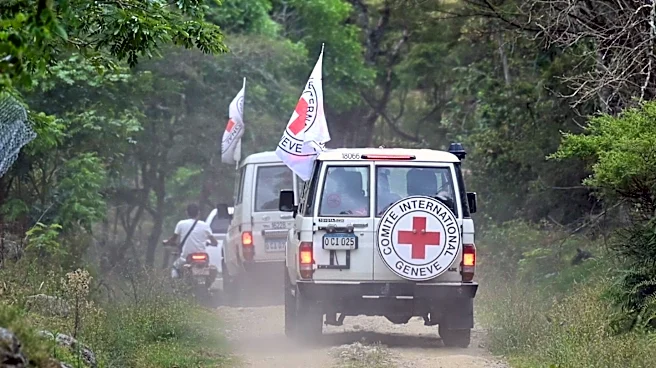
The Stockholm International Peace Research Institute (SIPRI) has issued a warning that the global aid shortfall could reach $179 billion by 2028. This projection comes as major donor countries are reducing their official development assistance (ODA) and
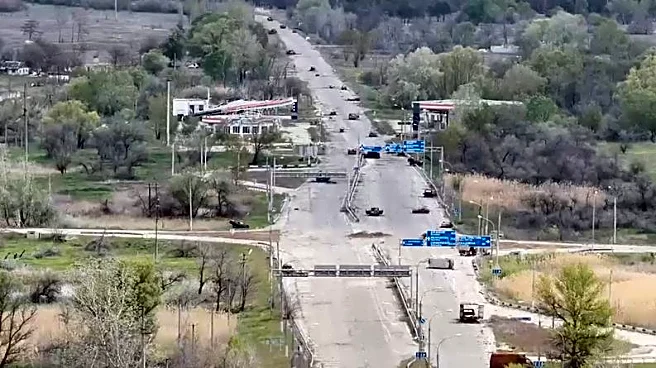
humanitarian aid, while global military spending has surged to a record $2.9 trillion last year. SIPRI's report highlights a growing disparity between the aid provided and the actual development and humanitarian needs worldwide. The institute estimates that ODA needs could climb to $326 billion by 2028, depending on the prevalence of conflicts and disasters, leading to a significant funding gap. This trend of declining ODA began in 2024, although it was temporarily masked by increased aid to Ukraine following Russia's invasion and by donor countries' expenses for hosting refugees. The most substantial cuts in core development assistance have impacted economic infrastructure and health sectors. Xiao Liang, a researcher with SIPRI's Military Expenditure and Arms Production Program, attributes these cuts to the rising military budgets of wealthy states, which are prioritizing military spending in response to perceived threats.
Why It's Important?
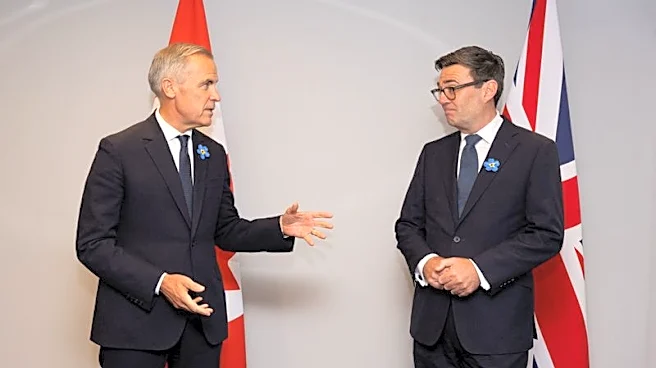
This widening gap between global aid and needs carries significant implications for human security and political stability, particularly in vulnerable regions. The diversion of funds from development and humanitarian aid to military expenditures suggests a shift in global priorities that could exacerbate existing crises and create new ones. While increased military spending is often justified by national security concerns, SIPRI researchers argue that military capabilities alone cannot guarantee security, especially when long-term drivers of insecurity, such as poverty and lack of essential services, are neglected. The report underscores that the projected aid shortfall, though substantial, represents only a fraction of the additional resources now being allocated to military spending, indicating that meeting ODA needs is financially feasible. The case studies of Germany and the United Kingdom illustrate how governments are justifying aid cuts to finance defense increases, even though these cuts contribute only marginally to their planned military budget expansions. This prioritization could undermine efforts to achieve sustainable development goals and foster global stability.
What's Next?
SIPRI anticipates that military spending will continue its upward trajectory for several years, placing further strain on ODA and other critical budget areas. This trend suggests that the global aid shortfall is likely to persist and potentially worsen, unless there is a significant re-evaluation of international spending priorities. The institute emphasizes that development aid should be viewed as complementary to military spending, addressing the root causes of insecurity rather than competing with it. Future discussions among international donors and governments will likely focus on balancing national security interests with humanitarian obligations. The report implicitly calls for a re-assessment of how security is defined and achieved, advocating for a more holistic approach that integrates development and humanitarian assistance as essential components of global stability. The ongoing debate will center on whether nations can afford to neglect long-term development needs in favor of short-term military build-ups, and what the ultimate consequences of such a choice will be for global human security.
Beyond the Headlines
The report by SIPRI highlights a deeper ethical and strategic dilemma facing the international community: the trade-off between military preparedness and human development. The argument that military capabilities alone cannot guarantee security suggests a re-thinking of traditional security paradigms. By linking cuts in development aid to rising military budgets, SIPRI points to a potential cycle where increased militarization, while intended to enhance security, could inadvertently create greater instability by neglecting the socio-economic factors that often fuel conflict. The report's emphasis on the affordability of meeting ODA needs, despite the significant military spending, raises questions about political will and the allocation of global resources. This situation could lead to a re-evaluation of international cooperation frameworks and the role of development aid in preventing future crises. The long-term implications include potentially increased humanitarian emergencies, greater social unrest in developing nations, and a more fragmented global response to shared challenges, as resources are increasingly channeled towards defense rather than sustainable development.