






What's Happening?
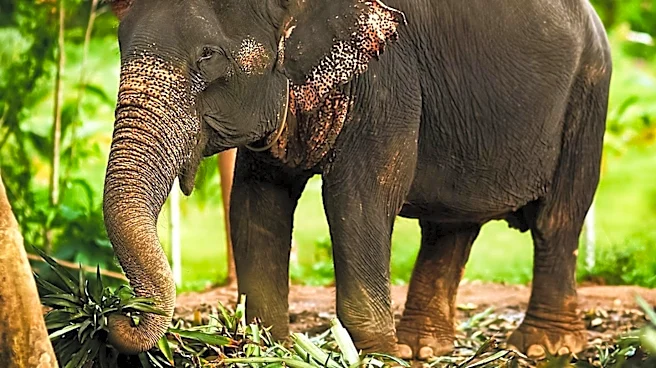
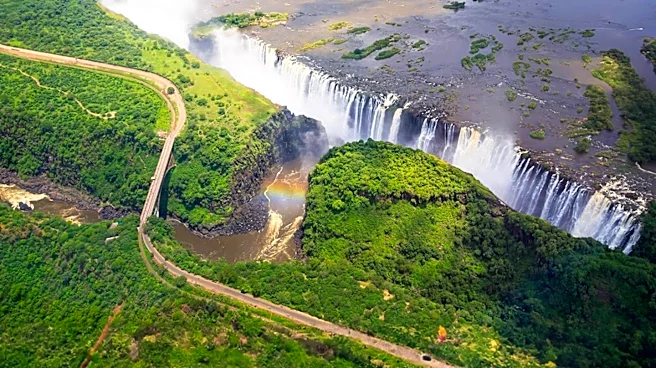
Chobe National Park in Botswana is offering safari packages that include excursions to Victoria Falls. These packages provide access to the park's high concentration of elephants, estimated at 120,000, and year-round predator sightings along the Chobe River.
The daily conservation fee of 270 BWP supports habitat protection. Bundled packages from Victoria Falls aim to simplify border logistics and combine game drives with river cruises. Full-day tours typically cover park entry, expert guides, and meals, removing the complexities of independent planning in remote Kasane. The park, established in 1968, protects 11,700 square kilometers of floodplains, savanna, and mopane woodland, and is a key part of one of southern Africa's most intact wildlife corridors, connecting the Okavango Delta with Zimbabwe's Hwange ecosystem. The 2014 hunting ban redirected trophy concessions towards photographic safaris, solidifying the park's reputation as a non-consumptive wildlife destination. Opening hours are from 05:30 to 19:00 to accommodate peak wildlife activity.
Why It's Important?
These safari packages are important for the tourism industry in Southern Africa, particularly for visitors from the U.S. seeking comprehensive wildlife experiences. By bundling Chobe National Park safaris with Victoria Falls excursions, the offerings enhance the value proposition for tourists, making multi-country travel more accessible and streamlined. This approach can boost regional tourism revenue, supporting local economies and conservation efforts. The focus on non-consumptive wildlife tourism, reinforced by the 2014 hunting ban, aligns with growing global preferences for ethical and sustainable travel. The packages cater to a desire for high-density wildlife viewing, especially elephants, which can attract a significant number of international tourists. The inclusion of expert guides and pre-arranged logistics addresses common challenges faced by travelers in remote areas, potentially increasing visitor satisfaction and repeat tourism. This integrated tourism model benefits both Botswana and Zimbabwe by leveraging their natural attractions collaboratively.
What's Next?
The continued promotion and refinement of these bundled safari packages are expected. Tourism operators will likely monitor visitor feedback and adjust offerings to maximize appeal and efficiency. There may be further efforts to integrate other regional attractions into similar packages, creating more extensive and seamless travel experiences across Southern Africa. Marketing efforts will likely target international markets, including the U.S., highlighting the unique combination of wildlife viewing and natural wonders. Conservation efforts within Chobe National Park, funded by the daily conservation fees, will continue to be crucial for maintaining the park's biodiversity and attracting tourists. The success of these packages could also encourage other regions with cross-border attractions to develop similar collaborative tourism initiatives, further boosting the regional tourism sector.
Beyond the Headlines
The integration of Chobe National Park safaris with Victoria Falls excursions represents a broader trend in the tourism industry towards experiential and multi-destination travel. This approach not only maximizes the tourist experience but also fosters regional cooperation in conservation and economic development. The emphasis on non-consumptive tourism reflects an evolving ethical consciousness among travelers, who increasingly seek experiences that minimize environmental impact and support local communities. The financial contributions from conservation fees directly link tourism revenue to wildlife protection, creating a sustainable model where economic incentives align with ecological preservation. This model could serve as a blueprint for other regions globally that possess shared natural heritage, promoting cross-border collaboration as a means to enhance tourism and conservation outcomes. The long-term success of such initiatives hinges on continued political stability and effective management of natural resources.