






What's Happening?
Nebraska Attorney General Mike Hilgers has filed a lawsuit against the City of Omaha, challenging the constitutionality of its new minimum wage ordinance. This legal action follows a similar lawsuit filed by Hilgers against the City of Lincoln regarding
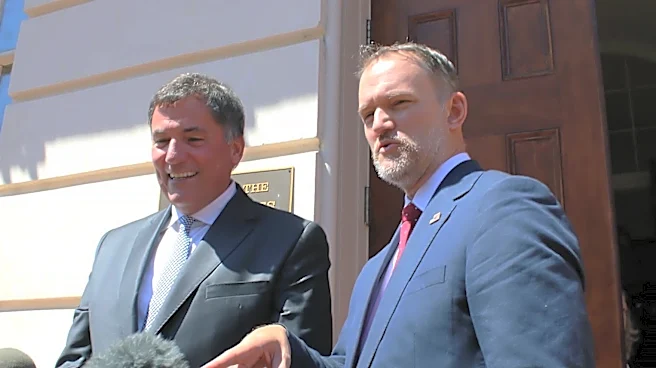
its minimum wage measure. The Attorney General contends that these ordinances represent a 'power grab' by the state's two largest cities. The dispute arises after state lawmakers established a 1.75% annual growth rate for the minimum wage and permitted employers to pay 14- and 15-year-old workers $13.50, a reduction from the current $15 minimum wage. The City of Omaha's ordinance aims to reinstate the minimum wage increases that Nebraska voters approved in 2022, which were subsequently modified by state senators. City Attorney Matt Kuhse stated that Omaha is a home rule charter city and is prepared to defend the ordinance, asserting its legality and enforceability. Kuhse emphasized that the city is addressing the needs of its citizens, which he believes is within its rights as a home rule charter city.
Why It's Important?
This lawsuit carries significant implications for local governance and the economic landscape in Nebraska. If the Attorney General's challenge is successful, it could limit the ability of cities to enact local ordinances that differ from state laws, particularly concerning labor standards like minimum wage. This could set a precedent for how much autonomy 'home rule' cities truly possess in Nebraska. For workers in Omaha, the outcome will directly impact their wages, potentially affecting their purchasing power and standard of living. Businesses, especially those employing younger workers, will also be affected, as the ruling will determine the minimum wage they are legally required to pay. The conflict highlights a broader tension between state legislative authority and local municipal control, which could influence future policy-making across various sectors in Nebraska. The legal battle also underscores the ongoing debate about the appropriate minimum wage and its economic effects on both employees and employers.
What's Next?
The City of Omaha has indicated its readiness to defend its minimum wage ordinance in court, having hired outside counsel to focus solely on the lawsuit. City Attorney Matt Kuhse stated that the next steps involve meeting with attorneys and awaiting further actions from Attorney General Hilgers. Given that an injunction is already in place against a similar ordinance in Lincoln, it is possible that a similar injunction could be sought or issued against Omaha's ordinance, potentially preventing it from taking effect while the legal proceedings unfold. The court's decision will likely clarify the extent of home rule authority for Nebraska cities in relation to state-level legislation. This case could also prompt further legislative action at the state level to either reinforce state preemption or grant more explicit powers to local municipalities regarding minimum wage and other labor laws. The outcome will be closely watched by other cities in Nebraska and potentially across the U.S. that are considering similar local economic policies.
Beyond the Headlines
This legal confrontation extends beyond just minimum wage, touching upon fundamental questions of federalism and local self-governance within the U.S. legal framework. The concept of 'home rule' allows local governments to exercise powers not explicitly granted by the state, but the boundaries of this authority are frequently tested, as seen in this case. The lawsuit could redefine the balance of power between state and local governments in Nebraska, potentially influencing how cities address a range of local issues, from economic development to social policies. Furthermore, the case reflects a national trend where states and municipalities often clash over labor laws, environmental regulations, and other policy areas. The outcome in Nebraska could contribute to the ongoing legal discourse surrounding preemption laws and the scope of local legislative power, impacting how communities across the country can respond to the unique needs and desires of their residents. It also highlights the role of the judiciary in mediating these intergovernmental disputes.