





What's Happening?
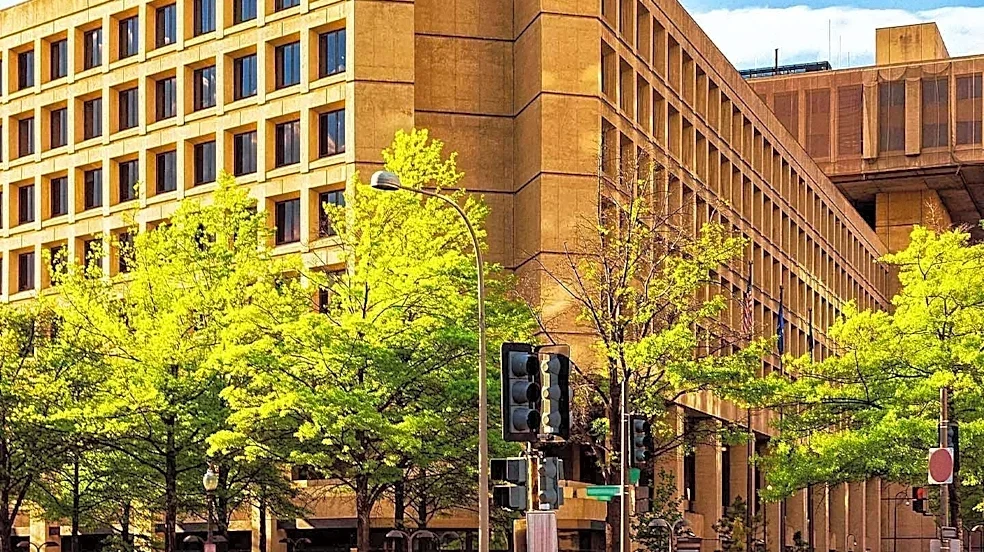
The FBI and U.S. Postal Inspection Service are actively investigating a series of suspicious mailings that have been sent to various addresses nationwide, including Secretary of State offices and election offices. In Maryland, these mailings have targeted
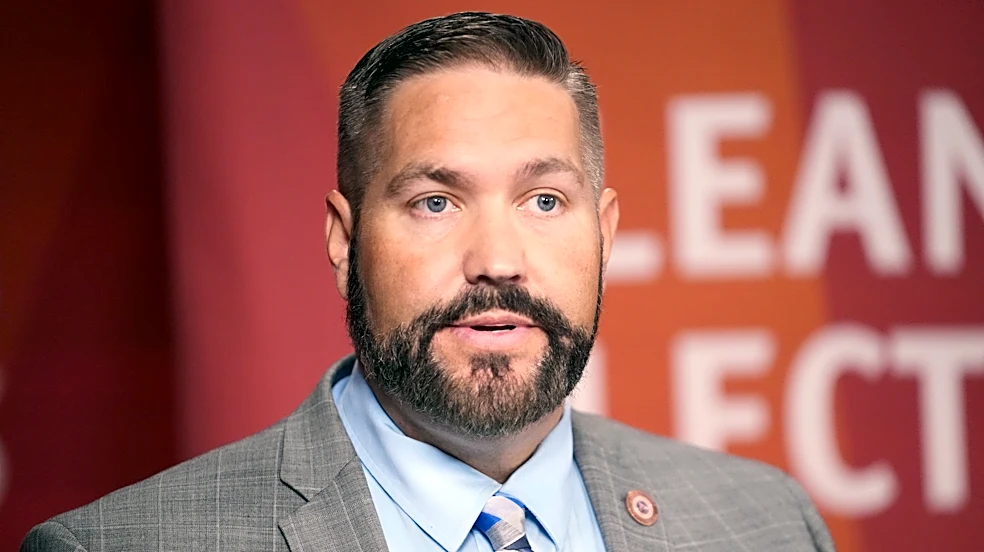
lawmakers and election officials. Maryland State Elections Administrator Jared DeMarinis reported that federal law enforcement intercepted a letter addressed to their office containing white powder. Additionally, Representative Steny Hoyer's Greenbelt office received a "potentially hazardous letter," leading to an evacuation, though his staff was reported safe. No illnesses or injuries have been reported in connection with these incidents in Maryland. The mailings coincide with the 25th anniversary of an anthrax-laced letter sent to the then Senate Majority Leader, serving as a reminder of the dangers postal employees face.
Why It's Important?
This investigation highlights a significant threat to the integrity of the U.S. electoral process and the safety of public officials and postal workers. The targeting of election offices, particularly with suspicious substances, can be seen as an attempt to intimidate and disrupt democratic functions. Such incidents can erode public trust in elections and create an atmosphere of fear among those involved in public service. The historical context of the 2001 anthrax attacks underscores the potential severity of these threats and the importance of robust security measures for mail handling. For postal employees, these events are a stark reminder of the occupational hazards they face, emphasizing the need for enhanced safety protocols and recognition of their critical role in national infrastructure.
What's Next?
The FBI and U.S. Postal Inspection Service will continue their investigation to identify the perpetrators and determine the full scope of the mailings. Law enforcement agencies will likely enhance security measures around government buildings and election offices, particularly as the election cycle progresses. Public officials and their staff will need to remain vigilant and follow established protocols for handling suspicious mail. There may also be increased public awareness campaigns regarding mail safety and reporting suspicious activities. The ongoing nature of these threats suggests a need for continuous adaptation of security strategies to protect democratic institutions and the individuals who serve them.
Beyond the Headlines
Beyond the immediate security concerns, these incidents reflect a broader trend of increased polarization and attempts to undermine democratic processes through intimidation. The use of suspicious mail, even if ultimately harmless, can create widespread anxiety and distrust, impacting civic engagement and the willingness of individuals to participate in public life. This type of tactic can also strain resources for law enforcement and emergency services. The psychological impact on election workers and public servants, who are essential to the functioning of government, is also a critical, though often overlooked, consequence. Addressing these deeper societal divisions and fostering a more respectful political discourse will be crucial in mitigating such threats in the long term.