



What's Happening?
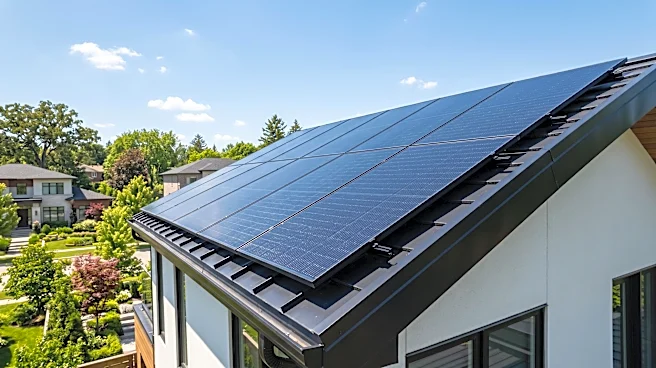
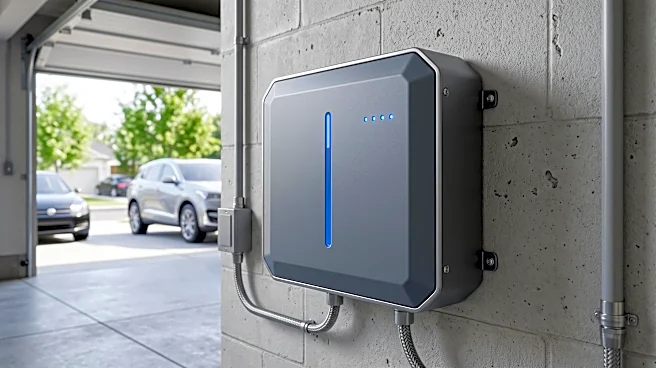
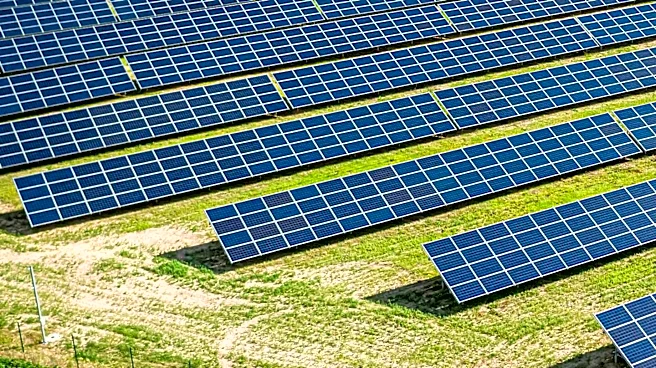
The Government of Paraná has expanded its RenovaPR program to offer a 3 percentage point subsidy on interest rates for rural producers installing battery systems, either independently or integrated with solar energy systems. This initiative aims to protect
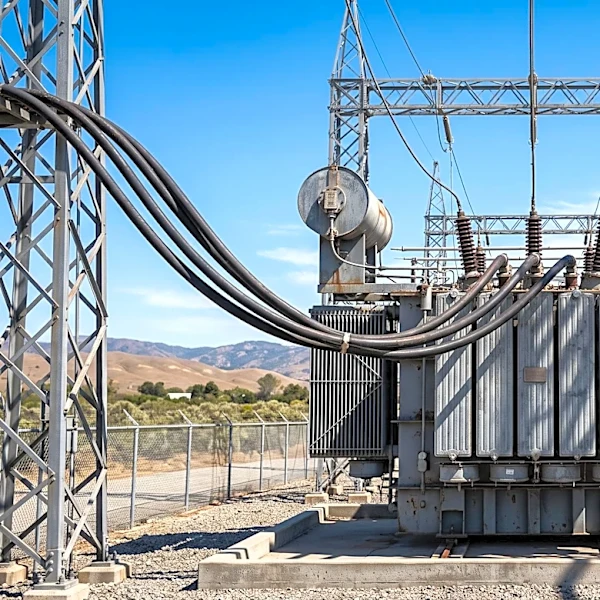
rural producers from losses due to electricity supply interruptions, a significant issue given the rapid expansion of photovoltaic energy in the region. According to IDR-Paraná data, the state recorded an average of 4.3 interruptions and 7.17 hours without power per consumer in 2025. The program allows all rural producers, regardless of size or banking classification (Family Farmer, Medium Producer/PRONAMP, or Business Producer), to access financing for energy storage batteries. Producers can also finance and subsidize their own power generation systems alongside storage if they do not already have them. The subsidy limit for solar energy systems with batteries is R$500, while for biogas and biomethane, it is R$2 million. Interest rates vary based on the producer's classification, ranging from 5% to 6% for family farmers, up to 9.5% for medium-sized farmers, and up to 10.5% for large producers, with the 3 percentage point subsidy reducing these rates significantly.
Why It's Important?
This expansion of the RenovaPR program is crucial for enhancing energy security and economic stability in Paraná's rural sector. By subsidizing battery storage, the government addresses a critical technical bottleneck associated with the growth of renewable energy: the intermittency of supply and the vulnerability of rural operations to power outages. Industries such as animal protein production, agro-industries, and irrigation, which are highly dependent on a consistent electricity supply, stand to benefit significantly. Reduced power interruptions will prevent production losses, safeguard investments in machinery, and improve overall operational efficiency for farmers. The program also encourages further adoption of clean energy solutions by making them more financially accessible, aligning with broader sustainability goals. The tiered interest rates ensure that smaller family farmers receive greater financial relief, promoting equitable access to advanced energy solutions across different scales of agricultural operations.
What's Next?
Rural producers in Paraná can now begin the process of requesting financing for energy storage systems. The procedures for accessing funds will depend on the specific criteria and operationalization of financing lines with financial agents. Producers are advised to prepare a budget based on a technical project developed by one of the 745 integrating companies registered with RenovaPR. Following this, they need to coordinate with a financial agent for a suitable rural credit line and then visit their municipal IDR Paraná office to present the information and formally join the program to receive the interest rate subsidy. The absolute priority for the subsidy will be given to activities related to animal protein, agro-industries, irrigation, and other electricity-dependent sectors that have their own energy generation capacity. The financing will cover not only batteries but also necessary equipment for adapting existing solar systems, such as hybrid inverters and adjustments to solar panel counts, to ensure comprehensive energy security.
Beyond the Headlines
The Paraná government's initiative reflects a growing trend in regional governance to directly address the practical challenges of renewable energy integration, particularly in agricultural sectors. This program goes beyond simply promoting solar energy by tackling the critical issue of energy storage, which is essential for grid stability and reliability. The focus on rural producers highlights an understanding of their unique vulnerabilities to power disruptions and their role in the broader economy. This model could serve as a blueprint for other regions facing similar challenges, demonstrating how targeted subsidies can accelerate the adoption of resilient and sustainable energy infrastructure. Furthermore, by prioritizing sectors like animal protein and agro-industries, the program implicitly acknowledges the food security implications of energy reliability, linking energy policy directly to agricultural productivity and economic resilience.