




What's Happening?
Tenants in Los Angeles are filing lawsuits against landlords who are converting garages and parking lots into Accessory Dwelling Units (ADUs), arguing that these conversions violate existing lease agreements that include parking. This issue is particularly
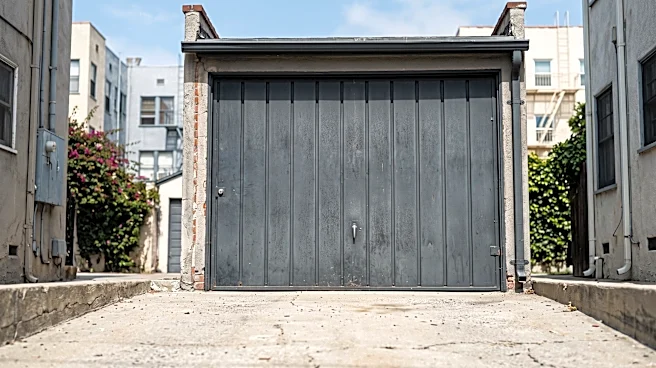
prevalent in dense neighborhoods like Hollywood, Koreatown, Silver Lake, and Pico Union. A key point of contention is California's SB 1211, enacted in January 2025, which prevents local governments from requiring replacement parking when ADUs are created from existing structures. However, tenant advocates contend that this law does not override parking provisions already stipulated in rental leases. One significant case in Hollywood saw a county Superior Court judge halt a project that aimed to transform 20 parking spaces into nine ADUs, indicating that state incentives for ADUs may not fully protect property owners from claims related to lease agreements and rent stabilization ordinances. Another lawsuit in Silver Lake involves an 83-year-old tenant who claims the loss of her garage space violates disability and fair housing rules.
Why It's Important?
This legal conflict highlights a significant clash between California's housing policies, which encourage ADU development to address housing shortages, and existing tenant protections and lease agreements. The outcome of these lawsuits could set precedents for how ADU conversions are implemented in rent-stabilized areas and potentially impact landlord-tenant relationships across Los Angeles. If tenants successfully argue that parking is an integral part of their lease, it could complicate future ADU projects that involve converting existing parking facilities. This situation also underscores the challenges of balancing housing density goals with the rights and established living conditions of current residents, particularly in a city with high housing costs and limited parking. The legal battles could influence how cities interpret and enforce state ADU laws in conjunction with local rent control and tenant protection ordinances.
What's Next?
The ongoing lawsuits will likely determine the extent to which state ADU laws can supersede existing tenant leases and local rent stabilization ordinances. The paused Hollywood project will proceed through the courts, and its resolution could provide clearer guidance for similar disputes. Landlords may need to re-evaluate their strategies for ADU conversions, potentially seeking legal counsel to ensure compliance with both state housing laws and tenant rights. Tenants and their advocates will continue to monitor these cases closely, potentially leading to more legal challenges if conversions proceed without addressing existing parking agreements. The city attorney's office, which has argued that local renter protections cannot block state mandates, will also play a crucial role in shaping the legal landscape surrounding these conversions.
Beyond the Headlines
The broader implications of these disputes extend to the evolving urban landscape of Los Angeles and the balance between development and community stability. While ADUs are seen as a vital tool to increase housing supply, particularly for smaller units, the method of their creation can have significant social impacts. The loss of parking can disproportionately affect elderly residents or those with disabilities, raising questions about equitable development. This situation also brings to light the potential for unintended consequences when state-level housing policies interact with local living conditions and established contractual agreements. It may prompt discussions about the need for more comprehensive legislation that addresses the nuances of existing tenant rights when promoting new housing solutions, ensuring that housing growth does not inadvertently displace or disadvantage current residents.