





What's Happening?
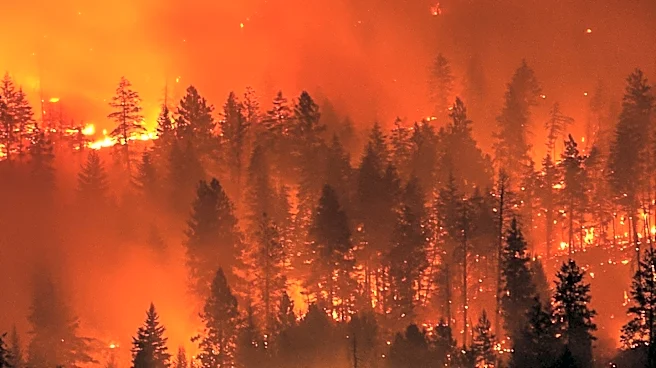
Wildfires across the U.S. are increasingly threatening water supplies, with new studies indicating that contamination can persist for over a decade. In 2026 alone, 68,179 wildfires have burned over 9.5 million acres, impacting water quality and availability.
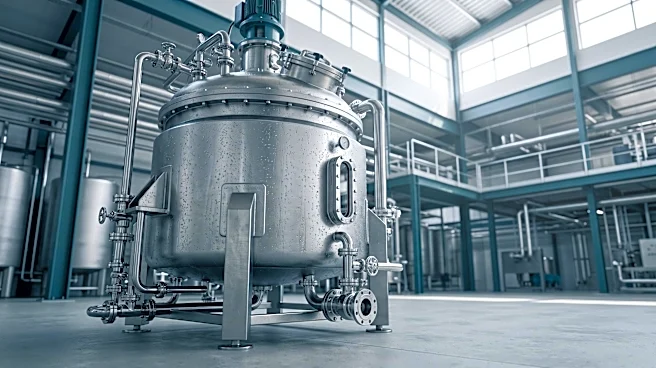
After a wildfire, ash and organic matter are carried by rains into streams, which feed water treatment plants. This influx of contaminants, including heavy metals and dissolved organic matter, is often beyond the capacity of existing treatment facilities, which are typically designed for high-quality water. For instance, the City of Las Vegas, New Mexico, experienced months without water after the Hermit's Peak/Calf Canyon wildfire contaminated the Gallinas River in 2022, forcing residents to rely on bottled water and leading to plans for a new treatment plant. Wildfires make forested watersheds, which supply water to nearly two-thirds of U.S. municipalities, vulnerable, with impacts on water quality lasting up to eight years, according to a University of Colorado Boulder study.
Why It's Important?
The contamination of water supplies by wildfires represents a critical public health and infrastructure challenge for communities across the U.S. The long-lasting nature of this contamination, potentially exceeding a decade, means that the effects of a single fire can have profound and enduring consequences on daily life and economic stability. Water treatment plants, not equipped to handle the post-fire influx of pollutants, face operational shutdowns, forcing communities to seek alternative, often costly, water sources. This situation disproportionately affects vulnerable populations and can lead to significant financial burdens for municipalities, as seen in Las Vegas, New Mexico, which received $148 million in state and federal aid for rebuilding efforts. The issue is exacerbated by climate change and increasingly strong El Niño events, which contribute to larger and more frequent wildfires, making reliable water access an escalating concern.
What's Next?
Communities and water utilities are actively seeking solutions to mitigate the impact of wildfires on water supplies. This includes exploring new water sources, upgrading treatment plant capabilities to handle diverse contaminants, and implementing watershed management strategies to reduce fire risk. The experience of Las Vegas, New Mexico, which is building a new treatment plant and drilling wells, serves as a model for other affected areas. Experts are being consulted to help find different water sources or improve treatment methods for organic matter. Furthermore, there is a growing recognition of the need for proactive measures, such as forest thinning and prescribed burns, to protect watersheds. The ongoing research into the longevity of contamination will continue to inform long-term planning and investment in water infrastructure resilience.
Beyond the Headlines
Beyond the immediate crisis of water scarcity and contamination, the wildfire-water nexus highlights a broader environmental and societal vulnerability. The destruction of natural filtration systems provided by forests means a loss of ecological services that are difficult and expensive to replace with engineered solutions. The formation of disinfection byproducts when chlorine reacts with wildfire-derived organic matter in water treatment plants poses additional health risks, regulated by the U.S. Environmental Protection Agency. This complex challenge underscores the interconnectedness of climate change, land management, and public health. It also brings to light the need for interdisciplinary approaches, combining ecological restoration, advanced water treatment technologies, and community-level preparedness, to safeguard essential resources in an era of increasing environmental instability.