
What's Happening?
A recent study by researchers at the Massachusetts Institute of Technology highlights the cost-competitiveness and emission reduction benefits of electric vehicles (EVs) compared to gasoline vehicles across
most of the United States. The study found that EVs can reduce emissions by 40% to 60% and are increasingly cost-competitive, despite higher upfront costs. The time it takes to recoup these costs depends on the specific EV model and regional energy mix. The study also notes that while manufacturing EVs involves higher emissions initially, these are offset over time by the cleaner operation of EVs compared to gasoline vehicles.
Why It's Important?
The findings underscore the potential of EVs to contribute significantly to climate change mitigation efforts by reducing greenhouse gas emissions. As the power grid becomes cleaner, the environmental benefits of EVs are expected to increase. This shift is crucial for meeting national and global climate targets. Additionally, the economic benefits of EVs, such as lower fuel and maintenance costs, can make them an attractive option for consumers, potentially accelerating the transition away from fossil fuel-dependent transportation.
What's Next?
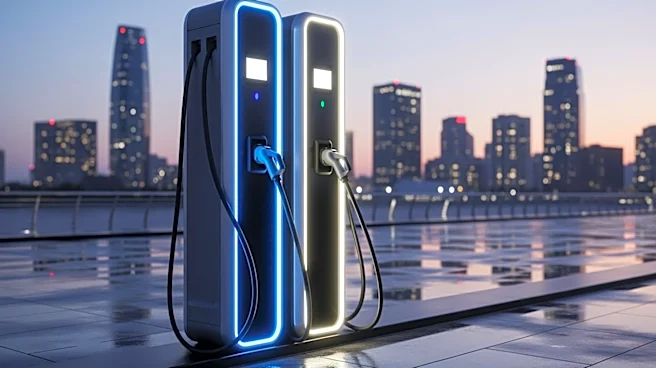
The study's findings may influence policymakers to support further development of EV infrastructure and incentives to encourage adoption. As the technology and market for EVs continue to evolve, consumers may see more affordable options and improved performance, further driving the shift towards electric transportation. The ongoing transition will require collaboration between government, industry, and consumers to address challenges such as charging infrastructure and battery production.