
What's Happening?
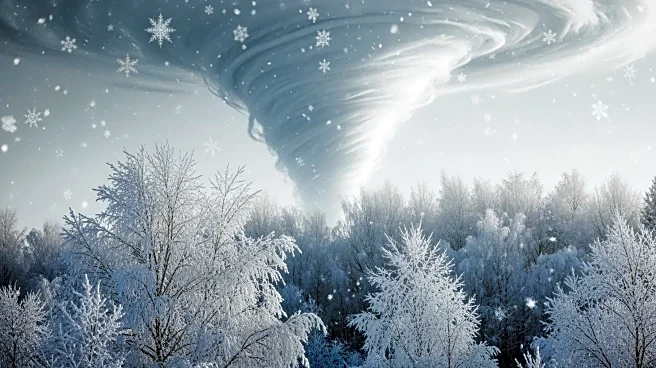
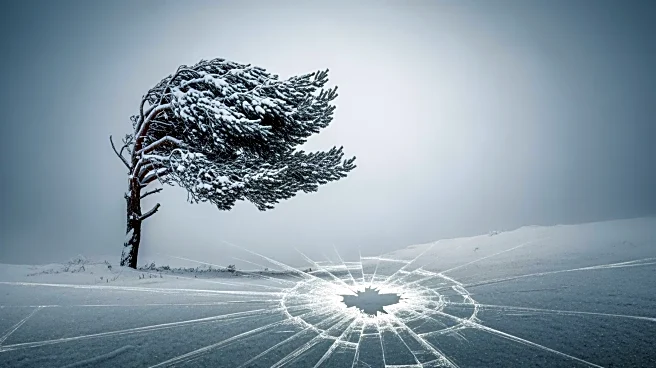
A severe cold snap has gripped much of the United States, leading to frigid temperatures that feel unprecedented to many Americans. This perception is largely due to the unusually warm first quarter of the 21st
century, attributed to human-induced climate change. As a result, the current cold spell feels more intense, especially to younger generations who have not experienced such prolonged cold. Experts note that while the cold is not record-breaking, it is a stark contrast to the milder winters of recent years. Data from Climate Central indicates a decrease in the number of subfreezing days over the past 25 years compared to the previous quarter-century. This has led to a sense of 'weather rustiness' among the population, as people have become less accustomed to extreme cold.
Why It's Important?
The current cold snap highlights the broader impacts of climate change on weather patterns and public perception. As climate change leads to more frequent and intense weather extremes, it challenges infrastructure, public safety, and economic activities. The cold weather has already resulted in over 110 deaths and poses risks such as power outages and hazardous travel conditions. This event underscores the need for adaptive strategies in urban planning and public policy to mitigate the effects of extreme weather. It also serves as a reminder of the importance of addressing climate change to prevent further disruptions to daily life and economic stability.
What's Next?
As the cold snap continues, adaptation will be key for both individuals and infrastructure. Utilities and city planners in typically warmer regions, like Dallas and Miami, may need to reassess their preparedness for such extreme weather events. Public awareness campaigns could help communities better prepare for future cold spells. Additionally, this event may prompt further discussions on climate policy and the need for sustainable practices to combat climate change. The ongoing situation could influence future legislative actions aimed at reducing carbon emissions and enhancing climate resilience.
Beyond the Headlines
The cold snap also raises questions about societal memory and adaptation to climate change. As people become accustomed to milder winters, their tolerance for cold weather diminishes, affecting their response to future cold events. This phenomenon could influence cultural attitudes towards climate change and the urgency of addressing it. Furthermore, the event highlights the psychological aspects of climate adaptation, as people adjust their behaviors and expectations in response to changing weather patterns. Understanding these dynamics is crucial for developing effective communication strategies around climate change and its impacts.