








What's Happening?
Global electricity demand has more than doubled its growth rate compared to overall energy consumption since 2019, according to the International Energy Agency (IEA). This surge is primarily fueled by the increasing adoption of electric vehicles, heat
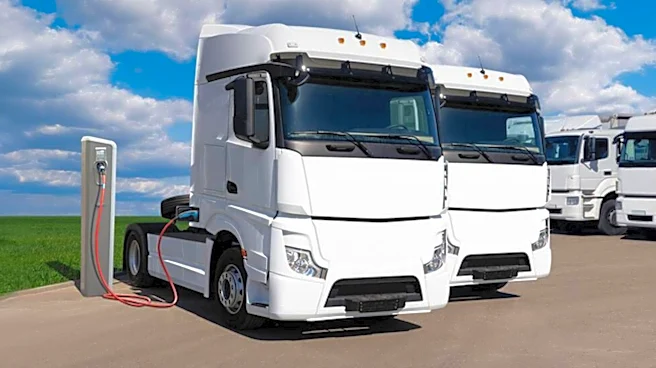
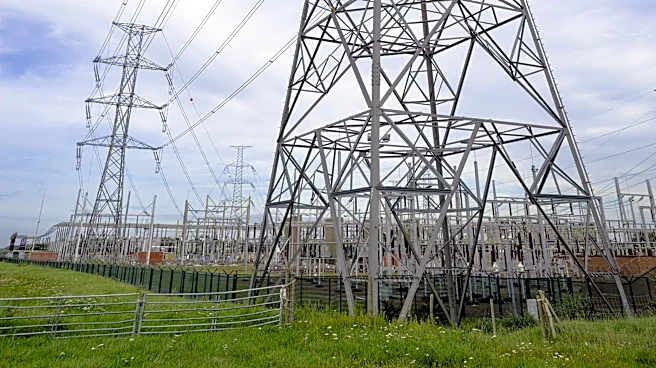
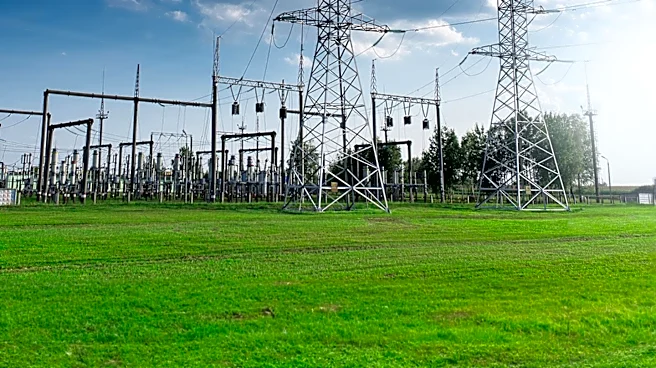
pumps, heating and cooling systems, industrial electrification, and new demands from data centers and artificial intelligence. Electricity currently accounts for approximately 23% of global final energy consumption. The IEA projects that electrification will double electricity demand over the next decade. A significant challenge arising from this rapid growth is the insufficient capacity of transmission and distribution grids, leading to hundreds of gigawatts of planned generation and demand in regions like Europe and the United States awaiting grid connection approval. Electrification involves replacing fossil fuel-consuming technologies with electric alternatives, with renewable energy sources like solar and wind generating a portion of this electricity. However, the environmental benefits depend on how the electricity is generated and the life cycle impacts of battery manufacturing and electrical infrastructure.
Why It's Important?
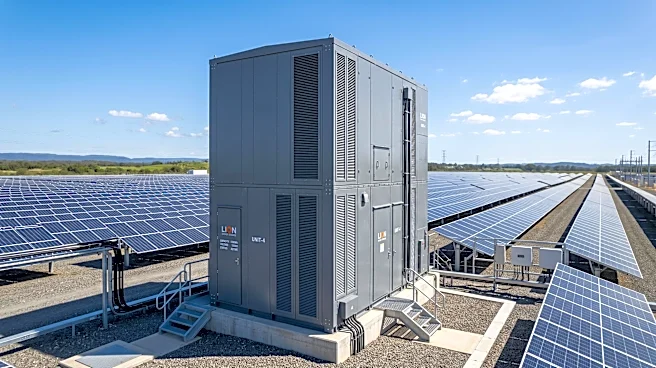
The rapid increase in electricity demand due to electrification has profound implications for the U.S. energy sector and infrastructure. The strain on existing grids, as evidenced by the backlog in grid connection approvals, highlights a critical need for substantial investment in upgrading and expanding transmission and distribution networks. This situation could slow down the transition to a decarbonized economy if grid capacity does not keep pace with demand. For U.S. industries, particularly those involved in manufacturing electric vehicles, heat pumps, and data centers, continued growth is contingent on reliable and accessible electricity. Furthermore, the reliance on renewable energy sources, which are intermittent, necessitates advancements in energy storage technologies to ensure grid stability. The challenge of electrifying high-temperature industrial processes, long-haul aviation, and heavy shipping also points to areas requiring significant technological innovation and investment, potentially creating new markets and job opportunities in advanced energy solutions.
What's Next?
Addressing the challenges posed by surging electricity demand will require a multi-faceted approach. In the U.S., this will likely involve accelerated investment in grid modernization and expansion projects, potentially through federal and state initiatives. Policy discussions will focus on streamlining approval processes for new energy infrastructure and incentivizing the development of advanced energy storage solutions. Utilities and energy companies will need to adapt their planning and operations to accommodate higher demand and a greater share of intermittent renewable energy. Furthermore, research and development efforts will intensify to find viable electrification solutions for hard-to-abate sectors like heavy industry and transportation. The ongoing growth of data centers and AI will continue to be a significant driver of electricity demand, necessitating careful planning to ensure sufficient power supply without compromising grid stability or environmental goals. The success of these efforts will determine the pace and effectiveness of the U.S. energy transition.
Beyond the Headlines
The push for electrification, while crucial for climate change mitigation, also raises deeper questions about resource allocation and environmental justice. The manufacturing of batteries and renewable energy equipment, while enabling cleaner energy consumption, has its own environmental footprint in terms of material extraction and production emissions. Ensuring that the benefits of electrification are equitably distributed and that the environmental burdens of its infrastructure are not disproportionately borne by vulnerable communities will be a critical ethical consideration. Moreover, the increasing reliance on electricity for essential services like transportation and heating could expose societies to new vulnerabilities, such as cyberattacks on grid infrastructure or widespread power outages. This necessitates a holistic approach to energy policy that considers not only decarbonization but also resilience, equity, and security in the evolving energy landscape.