





What's Happening?
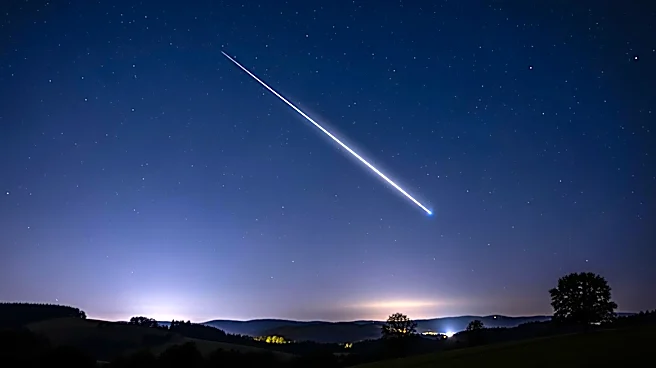
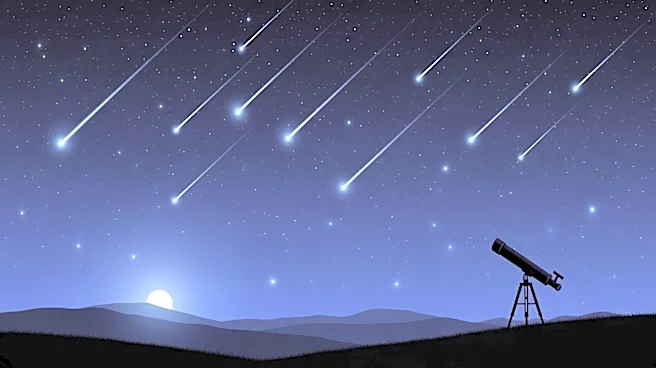
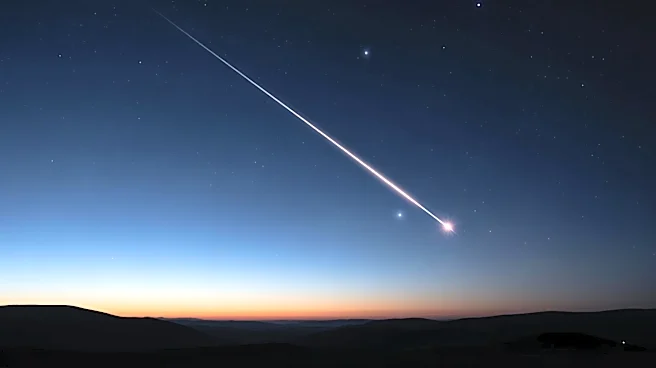
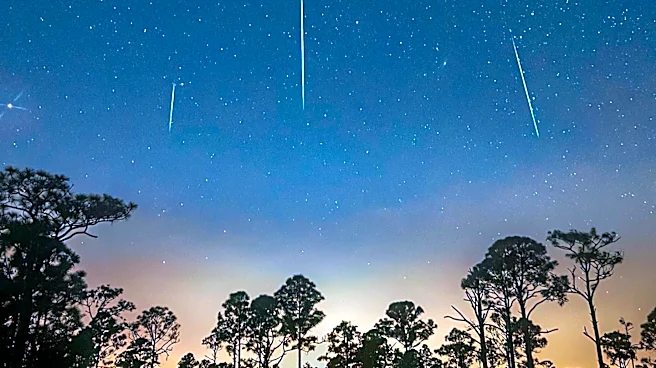
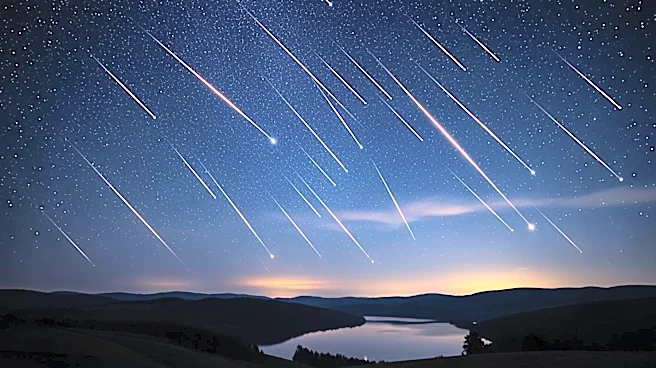
The Lyrid meteor shower, an astronomical event observed for over 2,700 years, is set to peak on April 22, 2026. This annual meteor shower is known for its fast and bright meteors, with the best viewing times occurring from the late evening of April 21
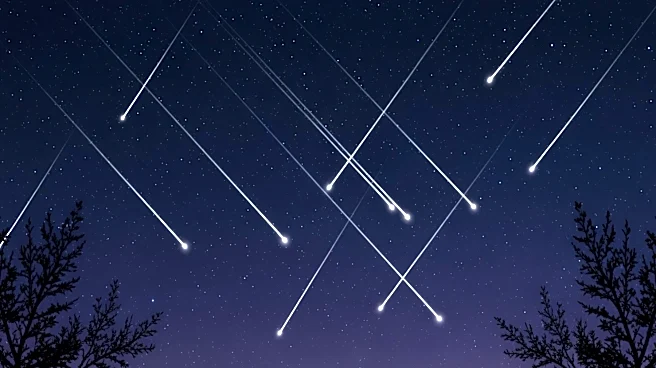
through dawn on April 22. The shower is expected to peak at 3:15 p.m. Eastern time, according to EarthSky. The moon, in its waxing crescent phase, will set a couple of hours after midnight, providing a dark sky for optimal viewing conditions. The Lyrids typically produce 10 to 20 meteors per hour, although outbursts of up to 100 meteors per hour have been recorded. The meteors originate from debris left by comet C/1861 G1 Thatcher, which orbits the sun every 415 years.
Why It's Important?
The Lyrid meteor shower offers a unique opportunity for stargazers and astronomy enthusiasts across the United States to witness a natural spectacle that has been documented since ancient times. This event not only provides a chance for public engagement with science and astronomy but also highlights the enduring fascination with celestial phenomena. The shower's visibility across much of the U.S. makes it accessible to a wide audience, fostering interest in space and science education. Additionally, the event underscores the importance of preserving dark skies, free from light pollution, to fully appreciate such natural wonders.
What's Next?
As the Lyrid meteor shower approaches, astronomy clubs and observatories may organize viewing events to educate the public about meteor showers and the science behind them. Stargazers are encouraged to find locations away from city lights to maximize their viewing experience. The next significant meteor shower, the Perseids, will occur in August, offering another opportunity for celestial observation. Meanwhile, scientists continue to study meteor showers to better understand the composition and behavior of comets and their impact on Earth's atmosphere.
Beyond the Headlines
The Lyrid meteor shower serves as a reminder of the interconnectedness of celestial events and human history. Documented by the Chinese as early as 687 B.C.E., the Lyrids are among the oldest known meteor showers. This historical continuity highlights the enduring human curiosity about the cosmos and the desire to understand our place in the universe. The event also raises awareness about the impact of light pollution on astronomical observations, prompting discussions on environmental conservation and sustainable urban planning.