







What's Happening?
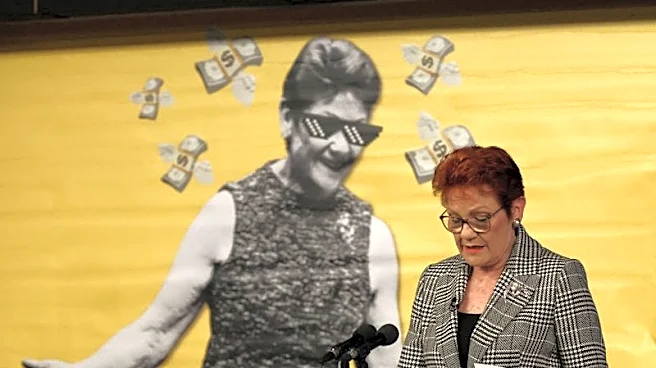
Australia's top bureaucrats are urging the Albanese government to prohibit the editing and sharing of parliamentary hearing footage on social media. The Secretaries Board, comprising heads of government departments and chaired by the Department of the Prime
Minister and Cabinet boss, Steven Kennedy, expressed concerns that material from hearings is being presented online without proper context. They argue that such practices expose officials to 'ridicule, hostility and abuse.' The board's submission highlights that officials have not consented to the subsequent use of their image or its use by parliamentarians and political parties for partisan purposes. They believe this misuse has the potential to harm both individuals and the public sector. If a complete ban is not implemented, the board recommends rules preventing the editing of videos, adding captions, or sharing content that targets individual officials for ridicule or harassment. They advocate for making full hearing footage and transcripts available instead of short clips, and disabling comments to ensure scrutiny remains focused on evidence and accountability rather than personal attacks.
Why It's Important?
This proposal by Australian bureaucrats carries significant implications for government transparency and public accountability. If enacted, it could limit the public's access to and understanding of parliamentary proceedings, potentially reducing scrutiny of government officials. The Greens have already voiced opposition, arguing that highly paid public service chiefs should not control footage from open parliamentary hearings, as this would undermine a crucial tool for government transparency. The debate centers on balancing the protection of public servants from online harassment with the public's right to observe and critically engage with their government. Restricting the sharing of parliamentary clips could be perceived as an attempt to shield officials from legitimate criticism, potentially eroding public trust and hindering the ability of citizens and media to hold power accountable. The outcome of this proposal could set a precedent for how democratic processes are communicated and scrutinized in the digital age.
What's Next?
The proposal from the Secretaries Board will likely trigger further debate within the Australian government and among various stakeholders. The Greens have already indicated strong opposition, suggesting that the move is an attempt to diminish parliamentary scrutiny. It remains to be seen how the Albanese government will respond to these recommendations. Potential next steps could include parliamentary discussions, consultations with legal experts on freedom of speech and public information, and engagement with media organizations and civil society groups. The government will need to weigh the concerns of bureaucrats regarding personal attacks against the principles of transparency and public access to information. Any decision will likely face close scrutiny from the public and media, with potential for legal challenges or public campaigns depending on the chosen course of action. The outcome will shape the future of how parliamentary proceedings are disseminated and discussed in Australia's digital landscape.
Beyond the Headlines
The push to ban social media clips from parliament touches upon deeper ethical and cultural dimensions concerning the nature of public service and political discourse in the digital era. While the stated aim is to protect bureaucrats from 'ridicule,' it raises questions about the evolving expectations of public officials in an age of instant information sharing. It also highlights a tension between the desire for a respectful and evidence-based political environment and the often-unfiltered, fast-paced nature of social media. This move could inadvertently foster a perception of government secrecy or an attempt to control narratives, potentially alienating a public that increasingly relies on digital platforms for news and information. Furthermore, it prompts a re-evaluation of what constitutes 'proper context' in online discussions and who determines it. The long-term shift could be towards more controlled dissemination of official information, potentially impacting civic engagement and the role of citizen journalism in holding institutions accountable.