





What's Happening?
Freakonomics Radio is releasing an updated episode titled “The Case of the $4 Million Gold Coffin (Update),” which delves into the journey of a looted Egyptian antiquity that found its way into the Metropolitan Museum of Art. The episode explores how
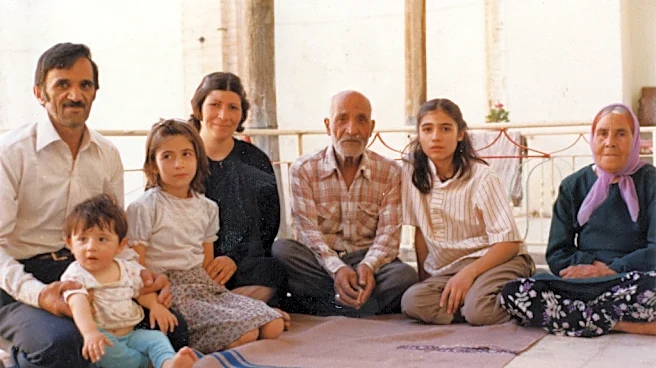
the artifact was recovered, with a mention of Kim Kardashian's involvement in cracking the case, and raises broader questions about the prevalence of stolen art in museums. This updated segment is part of a larger series, “Stealing Art Is Easy. Giving It Back Is Hard,” which initially launched in 2023. Additionally, the podcast is preparing a fall episode that will examine the connection between fertility rates and housing availability. This upcoming episode will reference a new working paper by Lisa Dettling and Melissa Kearney, which suggests that New Deal mortgage policies contributed to approximately three million additional births between 1935 and 1957, accounting for about 10 percent of the baby boom.
Why It's Important?
The updated episode on looted antiquities highlights significant issues within the art world, particularly concerning the ethics of museum acquisitions and the global trade of cultural heritage. The involvement of a public figure like Kim Kardashian in such a case underscores the increasing role of celebrity influence in drawing attention to complex international issues. For the U.S., this discussion is important as American museums are often implicated in controversies surrounding the provenance of their collections, potentially leading to calls for repatriation and stricter acquisition policies. The upcoming episode on fertility and housing is crucial for understanding long-term demographic trends and their economic implications in the U.S. The research suggesting a link between New Deal mortgage policies and the baby boom indicates how government housing initiatives can have profound, unforeseen impacts on societal structures and population growth, influencing everything from labor markets to social security systems. This historical perspective can inform current policy debates on housing affordability and its potential effects on family formation and birth rates.
What's Next?
Freakonomics Radio will continue to release its weekly episodes, with the updated 'Gold Coffin' episode now available and the fertility and housing episode slated for its fall lineup. The ongoing discussion about looted antiquities could prompt further scrutiny of museum collections and potentially influence future policies regarding the acquisition and display of cultural artifacts in the U.S. The research on New Deal mortgage policies and the baby boom may spark renewed interest among policymakers and economists in how housing policies can be leveraged or reformed to address contemporary demographic challenges, such as declining birth rates or housing shortages. This could lead to new academic studies or public discourse on the long-term societal impacts of housing market interventions. The podcast's exploration of these topics is likely to contribute to broader public understanding and debate on both cultural heritage and socio-economic policy.
Beyond the Headlines
The 'Gold Coffin' update touches upon the deeper ethical and legal complexities surrounding cultural heritage. It raises questions about the responsibility of institutions like the Metropolitan Museum of Art in verifying the provenance of their collections and the broader implications of illicit antiquities trade on source countries. The mention of Kim Kardashian's role, while seemingly anecdotal, highlights the evolving landscape of advocacy and public awareness, where non-traditional actors can significantly impact the resolution of international cultural disputes. The fertility and housing discussion delves into the subtle yet powerful ways economic policies shape fundamental aspects of human life. The finding that New Deal mortgage policies influenced birth rates suggests a profound, often overlooked, connection between economic stability, homeownership, and family planning. This implies that current housing crises or economic insecurities could be contributing to contemporary demographic shifts, such as delayed childbearing or declining fertility rates, with long-term consequences for societal aging, workforce dynamics, and economic growth.