
What's Happening?
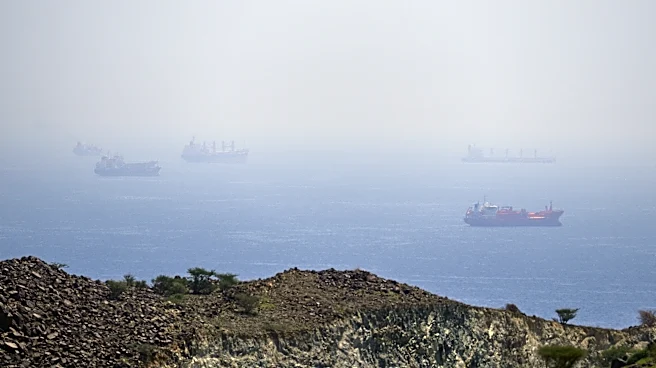
Iran has accused the United States of piracy following the seizure of an Iranian tanker near the Strait of Hormuz. The U.S. military enforced a naval blockade on Iranian ports, leading to the capture of the Iranian-flagged
container ship Touska. Iran responded by seizing two foreign commercial vessels, claiming they violated maritime regulations. The incident has escalated tensions, with Iran asserting control over the Strait and demanding coordination with its Revolutionary Guard for passage.
Why It's Important?
The accusation of piracy by Iran against the U.S. highlights the legal and diplomatic complexities surrounding maritime security in the Strait of Hormuz. This strategic waterway is crucial for global oil transport, and disruptions could have significant economic implications. The U.S. actions, perceived as aggressive, may strain international relations and challenge the legal frameworks governing maritime conduct. The situation underscores the need for diplomatic solutions to prevent further escalation and ensure safe passage for commercial vessels.
What's Next?
Iran's response to the U.S. actions may lead to increased military presence and further confrontations in the region. The international community, including maritime law experts, may need to mediate to resolve the legal disputes and ensure compliance with international maritime laws. The ongoing tensions could impact negotiations and diplomatic efforts aimed at de-escalating the conflict.