



What's Happening?
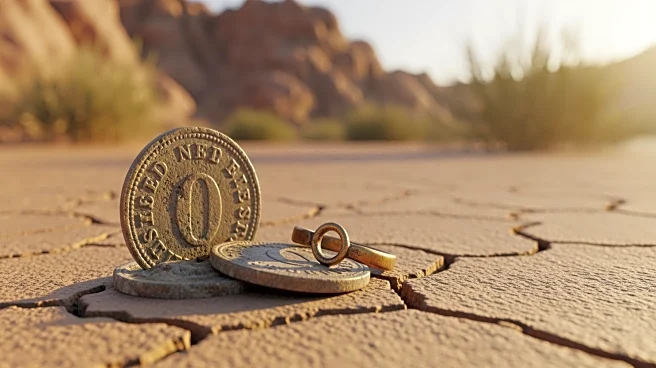
Archaeologists have uncovered rare Byzantine-era gold coins and a ring at the Hyrcania archaeological site in the northern Judean Desert. This discovery points to a significant Christian presence in the region, historically linked to Saint Sabbas, a key
figure in the development of monasticism in the Judean Desert. The site is believed to have been a center for Christian monastic life, with the artifacts providing tangible evidence of the area's religious and cultural history. The coins and ring are considered valuable for understanding the economic and social dynamics of the Byzantine period in this region.
Why It's Important?
The discovery of these artifacts is crucial for understanding the historical and cultural landscape of the Judean Desert during the Byzantine era. It highlights the region's role as a center for Christian monasticism and provides insights into the religious practices and economic conditions of the time. The findings contribute to the broader narrative of Christian history in the Middle East, offering evidence of the spread and influence of Christianity in the region. This discovery also underscores the importance of archaeological research in uncovering and preserving cultural heritage, which can inform contemporary understanding of historical religious dynamics.