







What's Happening?
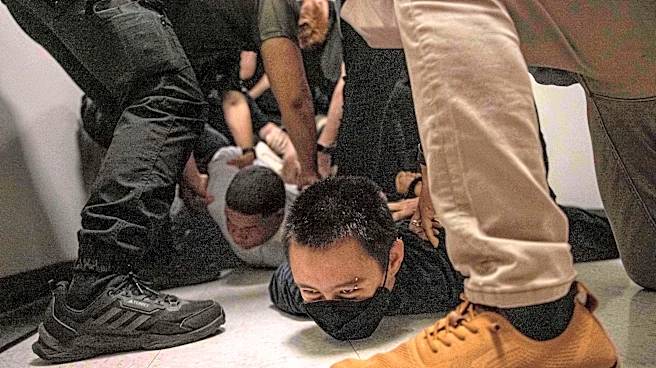
A new study from the Annenberg Institute at Brown University reveals that increased immigration enforcement under President Trump's administration has led to higher absenteeism rates among immigrant students. The study, focusing on a northeastern district
with a large immigrant population, found a sustained increase in absences following Trump's inauguration. Educators report that heightened enforcement has caused significant stress and uncertainty among multilingual learners, impacting their emotional well-being and academic performance. The rescinding of policies that previously shielded schools from immigration enforcement has exacerbated these issues.
Why It's Important?
The findings highlight the broader societal impacts of immigration policy on education. Increased absenteeism among immigrant students can lead to lower academic achievement and long-term educational disparities. The stress and fear associated with immigration enforcement not only affect students' attendance but also their ability to focus and succeed in school. This situation underscores the need for schools to address the unique challenges faced by immigrant families and to provide support systems that mitigate the negative effects of federal immigration policies.
What's Next?
Schools and districts may need to implement strategies to support immigrant students and their families, such as clarifying immigration-related policies and enhancing community engagement. Continued research into the effects of immigration enforcement on education is necessary to inform policy decisions and ensure that students' rights to education are protected. Advocacy groups and educators are likely to push for policy changes that reduce the impact of enforcement actions on students' educational experiences.