
What's Happening?
French investigators have discovered security footage capturing the $102 million heist at the Louvre, contradicting earlier statements by the museum's director, Laurence des Cars, who claimed no video
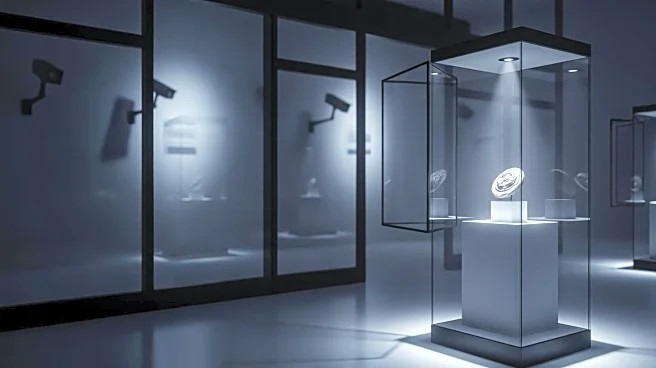
existed. The footage was found from one of only two operational cameras near the entry site. The revelation highlights significant security failures, as the control room lacked sufficient screens to monitor all cameras simultaneously, leading to a delayed response. By the time guards switched to the relevant feed, the thieves were already escaping. The Louvre's security team and police arrived just 30 seconds too late due to initial misdirection about the break-in location. Despite these issues, all four members of the heist group have been arrested. The Louvre has announced an €80 million ($92 million) security improvement plan, including a new Security Coordinator position and increased staff training.
Why It's Important?
The discovery of the security footage and the subsequent arrests underscore the critical need for improved security measures at one of the world's most famous museums. The incident has prompted a significant investment in security infrastructure, which is crucial for protecting invaluable cultural assets. The Louvre's response, including the creation of a Security Coordinator role and a security steering committee, aims to prevent future breaches. This situation also highlights the broader implications for museum security worldwide, as institutions may need to reassess their own vulnerabilities. The heist and its aftermath could influence public trust and visitor confidence, impacting tourism and the museum's reputation.
What's Next?
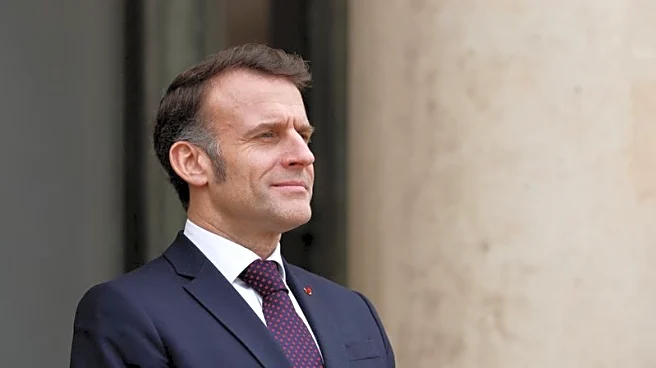
The Louvre is set to implement its €80 million security plan, which includes structural and procedural changes to enhance safety. The museum will focus on addressing vulnerabilities identified in past audits, such as the balcony used in the heist. The French government, led by President Emmanuel Macron, has pledged a €700 million renovation to address broader infrastructure issues. These developments may lead to increased scrutiny of museum security practices globally, potentially prompting other institutions to adopt similar measures. The Louvre's ongoing efforts to improve security and infrastructure will be closely watched by stakeholders in the art and cultural sectors.
Beyond the Headlines
The heist has exposed deeper systemic issues within the Louvre, including outdated infrastructure and insufficient security protocols. The museum's challenges reflect broader concerns about the preservation and protection of cultural heritage sites. The incident may spark discussions about the balance between accessibility and security in public institutions. Additionally, the Louvre's response could serve as a case study for other museums facing similar challenges, influencing future policies and practices in the art world.