



What's Happening?
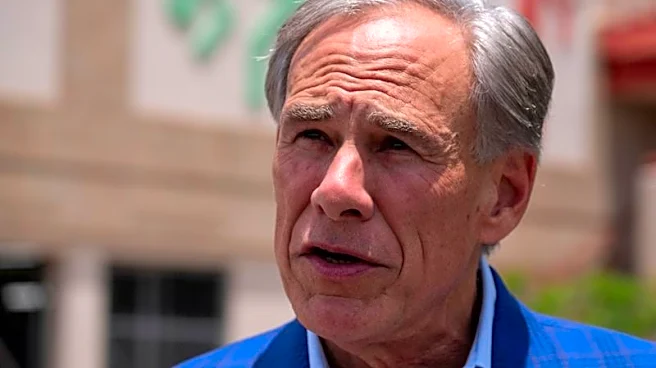
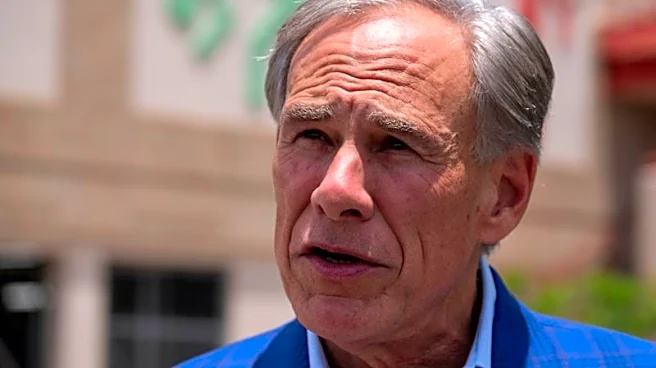
Minnesota's Attorney General, Keith Ellison, has filed a lawsuit against Texas Governor Greg Abbott to compel the extradition of Immigration and Customs Enforcement (ICE) agent Christian Castro. Castro is charged with four counts of second-degree assault
with a dangerous weapon and one count of falsely reporting a crime in connection with the January 14 shooting of Julio Cesar Sosa-Celis, a Venezuelan immigrant, in Minneapolis. Prosecutors allege Castro fired his gun through the front door of a Minneapolis home, striking Sosa-Celis in the leg, and then falsely accused Sosa-Celis and another man of attacking an ICE officer. Castro was arrested in Texas in May but has not been extradited to Minnesota. Ellison is seeking a federal court order to prevent the Cameron County sheriff from releasing Castro and to mandate Governor Abbott to sign the extradition warrant. Ellison warned that Castro could be released from jail next week under Texas law and might be a flight risk, potentially escaping to Mexico, as he has reportedly discussed marrying a woman there and buying a house.
Why It's Important?
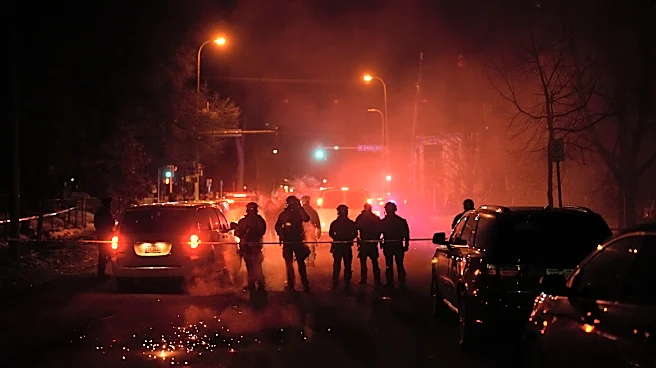
This lawsuit highlights a significant inter-state legal and political conflict regarding the accountability of federal agents and the enforcement of state criminal charges. Governor Abbott's alleged refusal to extradite Castro raises questions about the principle of equal justice under the law, suggesting a potential obstruction of justice for a federal officer accused of a serious crime. The case also underscores the broader tensions surrounding ICE operations, particularly in the context of 'Operation Metro Surge' in Minneapolis, which saw three incidents where federal officers shot individuals, two of which were fatal. The outcome of this legal battle could set a precedent for how states can hold federal agents accountable for actions committed within their borders, potentially impacting the balance of power between state and federal jurisdictions. Furthermore, the allegations of Castro's potential flight risk to Mexico add another layer of complexity, emphasizing the urgency of the extradition request and the need for swift legal action.
What's Next?
The federal court will now consider Minnesota's lawsuit against Governor Abbott, which seeks to compel Castro's extradition. The court's decision will determine whether Texas is legally obligated to comply with Minnesota's extradition request. If the court rules in Minnesota's favor, Governor Abbott would be ordered to sign the extradition warrant, allowing Minnesota officers to take custody of Castro. Conversely, a ruling against Minnesota could allow Castro to be released from jail under Texas law, potentially enabling him to flee the country. This case is likely to draw significant attention from legal experts, civil rights advocates, and federal agencies, as it touches upon critical issues of federalism, law enforcement accountability, and immigrant rights. The ongoing investigations by ICE and the U.S. Department of Justice into whether agents lied under oath about the Minneapolis incidents will also continue, potentially leading to further charges or policy changes.
Beyond the Headlines
This case delves into the complex interplay between state sovereignty and federal authority, particularly concerning law enforcement actions. The alleged actions of the ICE agent and the subsequent resistance to extradition by Texas raise fundamental questions about accountability within federal agencies and the extent to which states can prosecute federal officers for crimes committed on their soil. The broader context of 'Operation Metro Surge' and the previous incidents of federal officers shooting individuals in Minneapolis highlight a pattern of aggressive tactics that have sparked national debate and public protests. This lawsuit could force a re-evaluation of the legal protections afforded to federal agents and the mechanisms for ensuring their accountability. It also underscores the vulnerability of immigrant communities to such operations and the challenges they face in seeking justice. The outcome could influence future federal-state cooperation on law enforcement matters and potentially lead to reforms in how federal agencies conduct operations within state jurisdictions.