







What's Happening?
The Connecticut Department of Transportation (CTDOT) is emphasizing the need for increased pedestrian and driver vigilance during the Halloween weekend, particularly as Daylight Saving Time ends, leading to earlier sunsets and reduced visibility. This
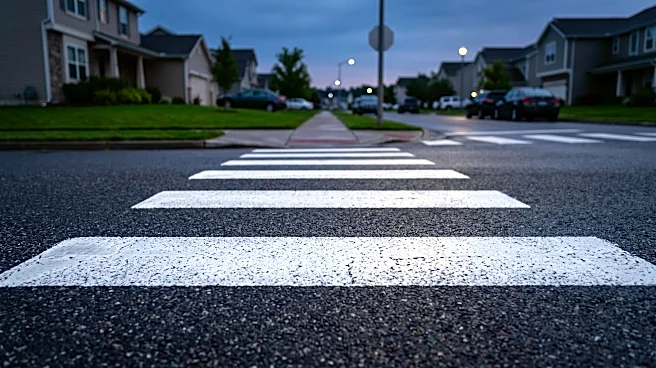
comes in response to concerning pedestrian crash statistics: 1,314 crashes involving pedestrians occurred in Connecticut in 2025, resulting in 67 fatalities. Through September 30, 2026, preliminary data shows 725 pedestrian crashes and 31 fatalities. CTDOT Commissioner Garrett Eucalitto, alongside Lt. Governor Susan Bysiewicz, Department of Consumer Protection (DCP) Commissioner Bryan T. Cafferelli, and law enforcement officials, highlighted the dangers, especially for children trick-or-treating. They urged drivers to slow down, avoid distractions, and be alert in residential areas and near crosswalks. Pedestrians are advised to be visible and use designated crosswalks.
Why It's Important?
The call for heightened safety measures by CTDOT and state officials underscores a critical public safety concern in Connecticut. The significant number of pedestrian crashes and fatalities indicates a persistent challenge in road safety, particularly during periods of increased pedestrian activity like Halloween and reduced daylight hours. This initiative aims to mitigate risks for vulnerable road users, especially children, and prevent further tragedies. The involvement of multiple state departments and law enforcement highlights a coordinated effort to address this issue, emphasizing the collective responsibility of drivers and pedestrians. The end of Daylight Saving Time further compounds the risk, making visibility a key factor in preventing accidents and protecting lives across the state.
What's Next?
CTDOT and its partners will continue to disseminate safety information and tips for drivers, pedestrians, parents, and caregivers. The National Highway Traffic Safety Administration's (NHTSA) Pedestrian Safety webpage is recommended as a resource for further guidance. Law enforcement agencies, including the Connecticut State Police, will likely increase their presence and enforcement efforts to ensure compliance with traffic laws, particularly regarding speeding, distracted driving, and impaired driving. Public awareness campaigns will likely continue throughout the fall season, focusing on the dangers of reduced visibility and the importance of safe driving and walking practices. The ongoing collection of crash data will inform future safety initiatives and policy adjustments.
Beyond the Headlines
The recurring emphasis on pedestrian safety, particularly around holidays and seasonal changes, points to a broader societal challenge in balancing convenience with safety on U.S. roads. The statistics reveal a systemic issue that goes beyond individual negligence, touching upon urban planning, infrastructure design, and public education effectiveness. The push for drivers to be more vigilant and for pedestrians to take precautions reflects a shared responsibility model, but it also implicitly raises questions about the adequacy of existing infrastructure to protect pedestrians, especially in areas with high traffic or limited visibility. Addressing this issue comprehensively may require long-term investments in pedestrian-friendly infrastructure, stricter enforcement, and continuous public education campaigns to foster a culture of road safety.