




What's Happening?
NASA is actively recruiting for a Chief Structural Engineering Division position, a senior executive service role. This position requires a candidate with a strong background in engineering, physical science, mathematics, life sciences, or computer science, holding
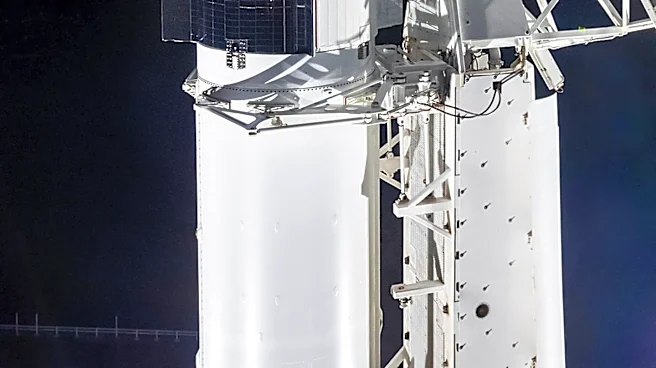
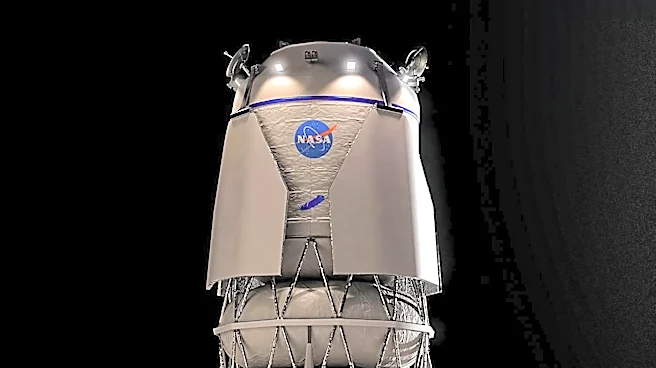
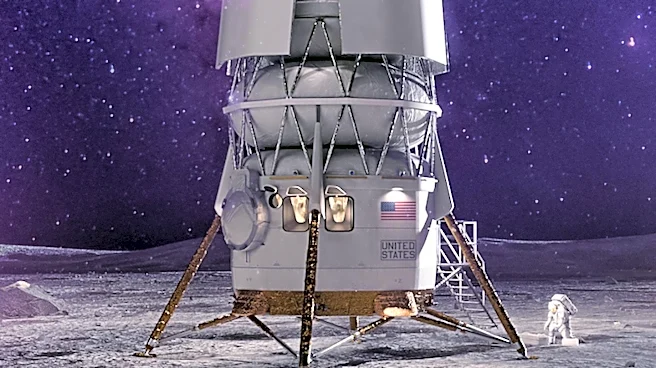
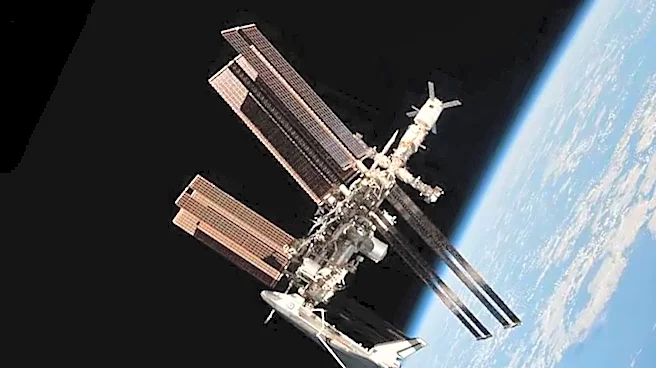
at least a bachelor's degree from an accredited institution. The selected individual will be responsible for the technical management of structural engineering activities across all human spaceflight programs. These programs include the Low Earth Orbit (LEO) Program, the International Space Station (ISS), the Commercial Crew Office, the Commercial Destination Office, Orion, Human Landing Systems, Extravehicular Activity and Mobility Systems, and Moon Base programs. Key responsibilities encompass structures, materials and processes, fracture analysis and control, environmental factors, structural and mechanical design analysis, heat transfer analysis, thermodynamics analysis, structural and kinematics loads analysis, and structural and environmental testing. The role also involves general process improvements, advanced manufacturing process development, and manufacturing oversight. Applicants must be U.S. Citizens or Nationals and meet specific qualification requirements by the announcement's closing date.
Why It's Important?
This recruitment is critical for the continued success and safety of the United States' human spaceflight endeavors. The Chief Structural Engineering Division Head will play a pivotal role in ensuring the structural integrity and reliability of spacecraft and related systems, which is paramount for astronaut safety and mission success. The broad scope of programs under this position, from the ISS to future Moon Base initiatives, highlights its significance in advancing NASA's long-term exploration goals. The emphasis on advanced manufacturing processes and general process improvements indicates a drive towards innovation and efficiency in space engineering. The individual in this role will directly influence the technological advancements and engineering standards that underpin the nation's leadership in space exploration, impacting both government-led missions and collaborations with commercial partners. The successful candidate will be instrumental in mitigating risks associated with complex space environments and ensuring the longevity and performance of critical space infrastructure.
What's Next?
Prospective candidates must submit applications that clearly articulate their qualifications, including Executive Core Qualifications (ECQs) and Mandatory Technical Qualifications (MTQs), within a two-page resume. Those currently serving in a career Senior Executive Service (SES) position, eligible for SES reinstatement, or certified through an SES Candidate Development Program are exempt from addressing ECQs separately but must indicate their status. The selection process will involve a thorough review of applications, followed by interviews for qualified candidates. The chosen individual will be required to file a financial disclosure report and undergo a background investigation and potentially drug testing. The position is permanent and may involve occasional travel. The successful appointment will ensure leadership in a critical engineering domain for NASA's ongoing and future human spaceflight missions, contributing to the development and implementation of next-generation space technologies and exploration strategies.
Beyond the Headlines
The demand for highly specialized engineering leadership in space exploration underscores the continuous evolution of the aerospace industry and the complex challenges inherent in human spaceflight. This role is not merely about technical oversight but also about fostering innovation and maintaining rigorous safety standards in an environment where failure can have catastrophic consequences. The emphasis on a broad range of engineering disciplines, from materials science to thermodynamics, reflects the interdisciplinary nature of modern space engineering. Furthermore, the inclusion of commercial space programs highlights the growing integration of private sector capabilities into national space initiatives, requiring leadership that can navigate both governmental and commercial partnerships. The successful candidate will contribute to shaping the future of human presence in space, influencing not only technological advancements but also the strategic direction of U.S. space policy and international collaborations.