







What's Happening?
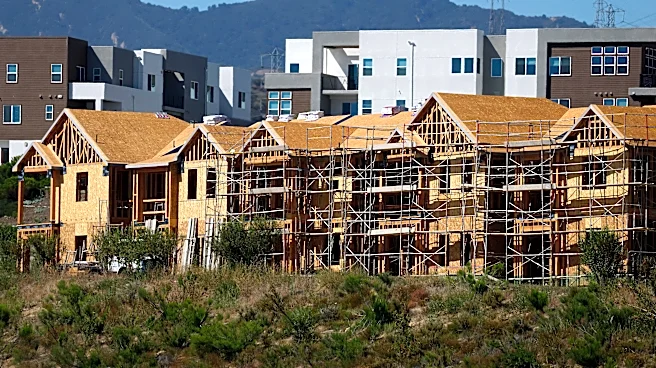
N17, a development company owned by Vitaly Yusufov, son of former Russian Energy Minister Igor Yusufov, has filed a lawsuit against Menlo Park, California. This legal action follows the city's rejection of N17's proposal to construct a large skyscraper
complex at 80 Willow Road. The proposed development included 665 residential units and 332,000 square feet of office space, with three buildings ranging from 301 to 458 feet tall. Menlo Park's City Council formally rejected the project, citing concerns about infrastructure challenges, emergency services response times, and exacerbating the existing jobs/housing imbalance. The city also stated that the project does not deliver the housing Menlo Park needs, contrary to the purpose of the builder's remedy law. N17's founder, Oisín Heneghan, stated that the lawsuit was a last resort, accusing Menlo Park of creating roadblocks and violating state housing laws by delaying and denying the project. The rejection occurred despite California Attorney General Rob Bonta's warning that the city was violating state housing laws by stalling the plans.
Why It's Important?
This lawsuit highlights a significant conflict between local zoning regulations and state housing laws in California, particularly the 'Builder's Remedy' provision. Menlo Park's failure to submit its required housing plan allowed Yusufov to invoke this provision, which permits developers to bypass local zoning restrictions for projects that include affordable housing. The city's rejection, despite warnings from the state Attorney General, sets a precedent for how California cities might navigate the tension between local control over development and state mandates to address the housing crisis. The outcome of this legal battle could influence future development projects across California, especially in affluent communities resistant to large-scale construction. It also underscores the broader debate about housing affordability and urban development in the Bay Area, where there is immense pressure to build more housing but also strong community opposition to increased density and changes to local character. The involvement of a Russian oligarch's son in such a high-profile development project also adds a layer of geopolitical context, though the core issue remains local land use and housing policy.
What's Next?
The lawsuit filed by N17 against Menlo Park will proceed through the legal system, with both parties likely presenting arguments regarding the interpretation and application of California's housing laws, particularly the Builder's Remedy. The city of Menlo Park has stated its confidence in having processed the application in accordance with all applicable state laws, indicating a readiness to defend its decision in court. The California Attorney General's office may also play a role, given its prior warning to Menlo Park about potential violations of state housing laws. The legal proceedings will determine whether Menlo Park's rejection of the project was lawful or if it indeed violated state mandates designed to encourage housing development. Depending on the court's decision, Menlo Park could be forced to approve the project, or the developer might be compelled to revise the plans to better align with the city's concerns. This case could also prompt further legislative action at the state level to clarify or strengthen housing development laws, or it could lead to increased scrutiny of how local municipalities comply with existing regulations. The community group Menlo Forward, which opposed the project due to environmental concerns, will likely continue to monitor the situation closely.
Beyond the Headlines
The dispute in Menlo Park transcends a simple zoning disagreement, touching upon deeper societal and economic tensions within California. The 'Builder's Remedy' provision, central to this case, represents a powerful tool for the state to override local opposition to housing development, reflecting a growing recognition of the statewide housing crisis. However, its application often sparks intense local resistance, as seen in Menlo Park, where residents fear the environmental impact and strain on existing infrastructure from massive projects. This conflict highlights the ongoing struggle between state-level policy goals and local community autonomy, particularly in wealthy enclaves where residents often prioritize preserving their community's character over increasing housing density. The involvement of a developer linked to a Russian oligarch also subtly introduces questions of foreign investment in U.S. real estate and the potential for such investments to influence local development landscapes. The outcome of this case could therefore have far-reaching implications for the balance of power between state and local governments in land use decisions, potentially reshaping the future of urban development and housing affordability across California.